BFT Token: What It Is, Where It’s Used, and What You Need to Know
When you hear BFT token, a digital asset built to support Byzantine Fault Tolerant blockchain networks. Also known as Byzantine Fault Tolerance token, it’s not just another coin—it’s the fuel behind secure, fast, and trustless systems that keep decentralized networks running without central control. Unlike meme coins that ride hype waves, BFT tokens are engineered for reliability. They power consensus protocols where nodes must agree on transaction order even if some fail or act maliciously. That’s the core of BFT: keeping the network honest when things go wrong.
Most BFT tokens are tied to specific blockchains that prioritize speed and finality over decentralization at scale. Think of them like the nervous system of a blockchain—without them, transactions stall, validators drop off, and the whole system becomes vulnerable. Projects using BFT-style consensus often include enterprise-grade chains, private networks, or high-frequency trading platforms. You won’t find BFT tokens on every exchange, but when they do appear, they’re usually part of a serious infrastructure play, not a social media trend.
Related entities like Byzantine Fault Tolerance, a consensus algorithm designed to handle faulty or malicious nodes in distributed systems and proof-of-stake, a validation method where participants stake tokens to secure the network often overlap with BFT token use cases. But BFT isn’t just another consensus model—it’s the backbone that ensures transactions finalize quickly even under attack. Some BFT tokens also integrate with tokenomics that reward validators for uptime, punish bad actors, or lock supply to prevent inflation. These aren’t theoretical ideas—they’re live features in networks handling real-world value.
You’ll find BFT tokens in systems that can’t afford delays: supply chain ledgers, cross-border payments, or institutional trading platforms. They’re not for gamblers chasing 100x returns. They’re for builders who need certainty. That’s why most posts about BFT tokens here focus on real implementations—not hype, not fake airdrops, not ghost projects. You’ll see breakdowns of actual chains using BFT, how their tokens function inside the protocol, and what happens when the token fails to align with the consensus mechanics.
There’s no magic here. No influencer videos. Just cold, hard engineering. If you’re trying to understand why some blockchains never crash under pressure while others collapse at the first sign of congestion, the answer often starts with BFT. And if you’re evaluating a token that claims to use it, you need to know what’s actually being built underneath.
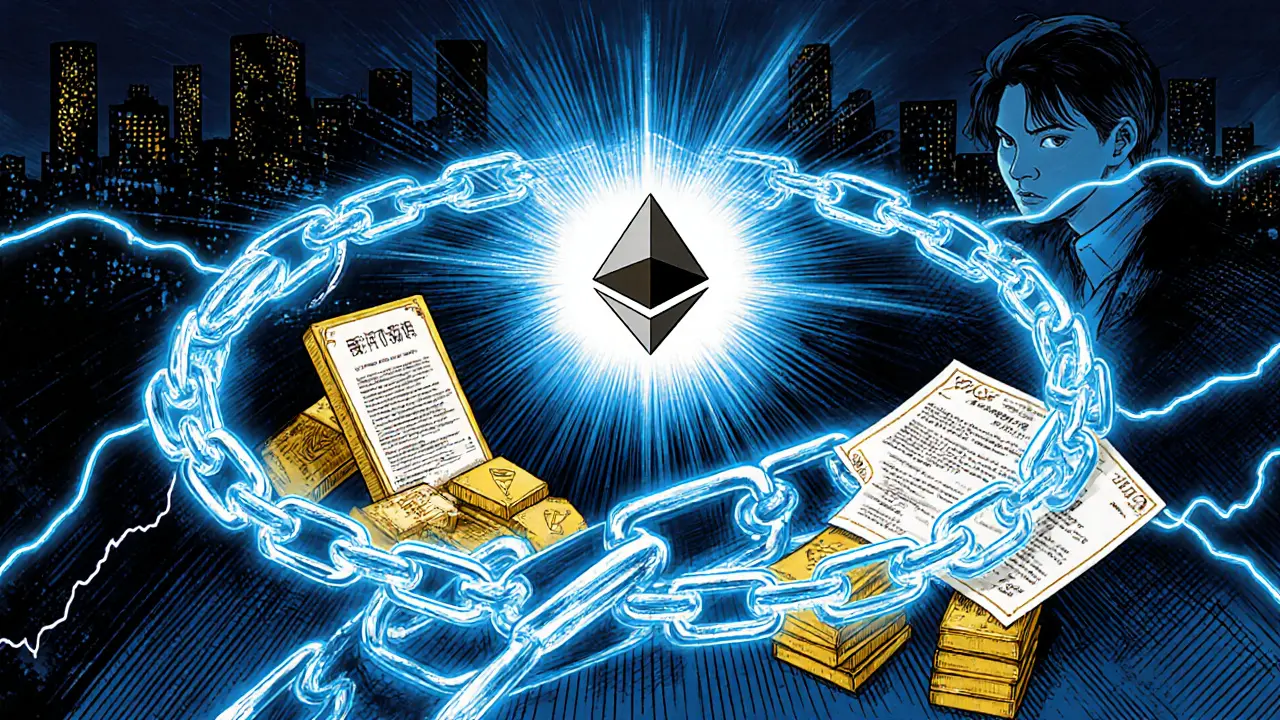
What is BiFinanceToken (BFT) Crypto Coin? A Real-World Asset Token Explained
BiFinanceToken (BFT) is a utility token designed to connect real-world assets like gold and stocks to blockchain. But with zero trading volume, no major exchange listings, and low community trust, it's a high-risk experiment - not a proven investment.