Bitwired Crypto Exchange: What Happened and Why It Vanished
When you hear Bitwired crypto exchange, a now-defunct platform that once claimed to offer fast trades and high yields, you’re not just hearing a name—you’re hearing a warning. It wasn’t just another exchange that struggled. It vanished. No announcement. No refund. No trace. That’s the reality for dozens of crypto platforms that rise fast, promise big, and collapse without a sound. Crypto exchange shutdowns, like Bitwired’s, happen when there’s no real business model, weak security, or hidden team. And they’re more common than you think.
What made Bitwired stand out? Nothing. No regulation. No audits. No transparent team. It didn’t even have a working support system. Sound familiar? That’s because failed crypto platforms, like InfinityCoin, xFutures, and TomoDEX, all shared the same red flags: zero trading volume, inflated claims, and no accountability. These aren’t glitches—they’re patterns. And the pattern is simple: if you can’t find who runs it, why it exists, or how it makes money, don’t deposit a cent. Crypto exchange review, the kind that digs into KYC policies, withdrawal delays, and user complaints isn’t optional—it’s your first line of defense.
People still chase high staking yields and flashy interfaces, ignoring the quiet signs: no news after launch, no social media activity, no real community. Bitwired didn’t fail because of market crashes. It failed because it was never real to begin with. The same thing happened to Bittime in Southeast Asia, to TomoDEX in DeFi, and to xFutures in futures trading. They all looked legitimate until they didn’t. Below, you’ll find real case studies of exchanges that collapsed, scams that hid behind fake reviews, and the exact questions you need to ask before trusting any platform with your crypto. This isn’t history—it’s a survival guide.
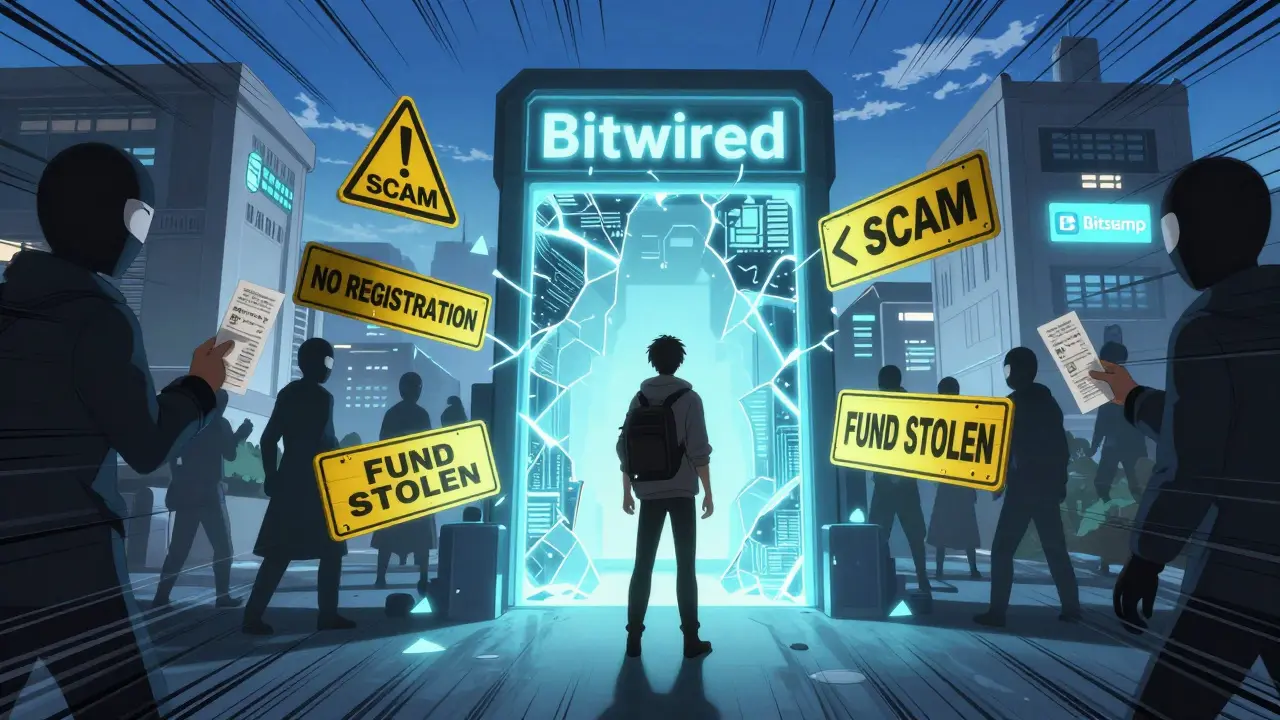
Bitwired Crypto Exchange Review: Is It Legit or a Scam?
Bitwired crypto exchange is not a legitimate platform. No regulatory records, no user reviews, no verified presence. It’s a scam designed to steal crypto. Learn the red flags and how to protect yourself.