Bitwired Review: What Happened to This Crypto Platform?
When you hear Bitwired, a crypto platform that once promised high returns but later disappeared without warning. Also known as Bitwired Exchange, it was one of many platforms that popped up promising easy profits—only to vanish when users tried to withdraw. The story of Bitwired isn’t unique. It’s a pattern: flashy marketing, fake trading volume, no transparency, and then silence. You’ll find this same story repeated across dozens of crypto platforms in the posts below—from xFutures to TomoDEX to InfinityCoin Exchange.
What makes a crypto exchange fail? It’s rarely one thing. It’s a mix of zero trading volume, a platform with no real users buying or selling assets, unregulated operations, no oversight from financial authorities like NYDFS or MFSA, and no team transparency, where the founders hide behind anonymous usernames and fake LinkedIn profiles. These aren’t just buzzwords—they’re the exact reasons why platforms die. Bittime, for example, offers high staking yields but lacks U.S. or EU regulation. Bitwired? It didn’t even have that much. It had nothing.
If you’re looking at a new crypto platform and wondering if it’s legit, ask yourself: Can I find real people using it? Is there public trading data? Is the team named and verifiable? If the answer is no, you’re not investing—you’re gambling. The posts below don’t just list failed exchanges. They show you how to spot the warning signs before you lose money. From KYC failures to hidden fees to sudden shutdowns, you’ll see exactly what went wrong with Bitwired and dozens of others. This isn’t speculation. It’s documented history. And the next platform you’re considering? It might be following the same script.
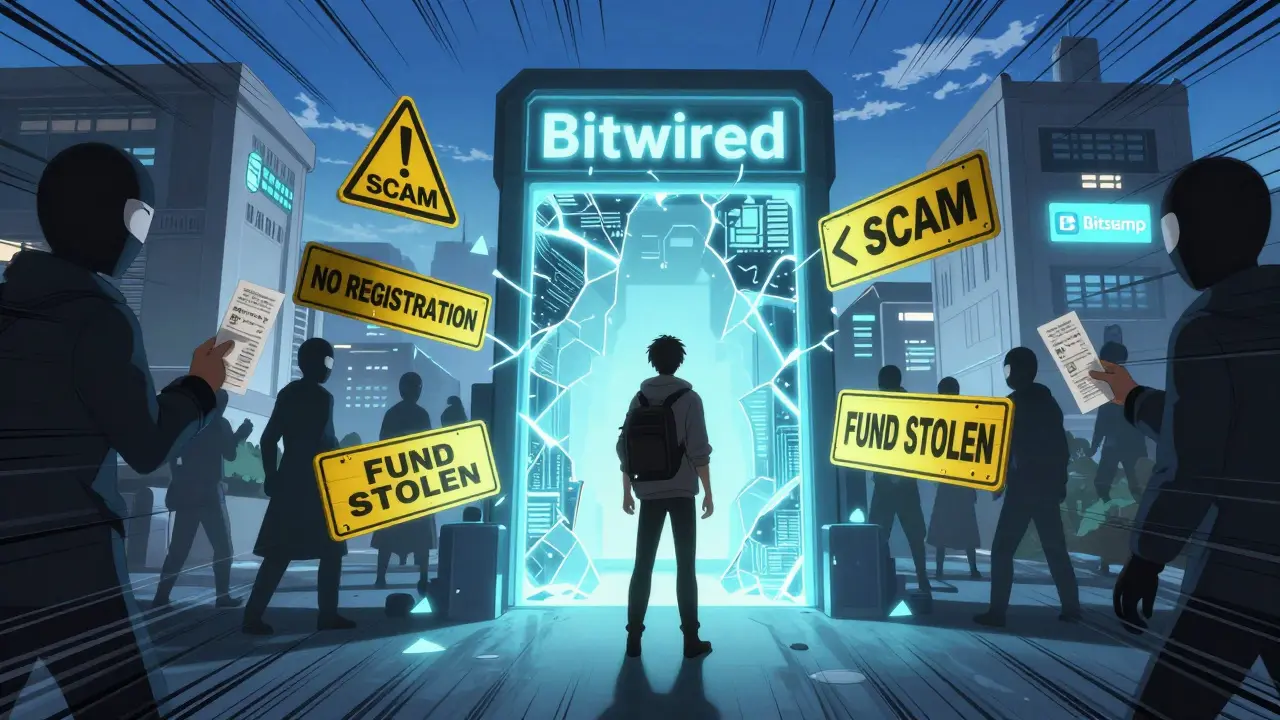
Bitwired Crypto Exchange Review: Is It Legit or a Scam?
Bitwired crypto exchange is not a legitimate platform. No regulatory records, no user reviews, no verified presence. It’s a scam designed to steal crypto. Learn the red flags and how to protect yourself.