BSC Airdrop: How to Spot Real Rewards on Binance Smart Chain
When you hear about BSC airdrop, you’re looking at free token drops that happen on the Binance Smart Chain, a fast, low‑fee blockchain built by Binance. In simple terms, a BSC airdrop is a type of crypto airdrop, where projects hand out tokens to users for marketing or community‑building reasons. To actually receive the tokens you need an eligible wallet, often a BSC‑compatible address that meets the project's criteria. The whole process hinges on a clear token claim process, which usually involves filling a form, signing a transaction, or linking a wallet. Understanding these pieces helps you separate legit drops from scams and claim your rewards without hassle.
Key Elements of a Safe BSC Airdrop
First, a legit BSC airdrop will publicly state its eligibility rules – things like holding a certain token, completing KYC, or being an early community member. Projects that hide these details are red flags. Second, the claim process should never ask for private keys; a signed transaction using your wallet is the only safe method. Third, reputable airdrops often list the token’s contract address so you can verify it on BscScan. When you see all three elements together, the airdrop is more likely to be genuine. Remember, a clear claim process and transparent eligibility boost confidence and protect your assets.
Another important piece is timing. Many airdrops launch within a narrow window, and the token distribution may happen weeks later. Keeping an eye on official channels – project Telegram, Discord, or Twitter – ensures you don’t miss updates. If a project pushes you to act instantly without giving you a chance to read the details, that urgency is a classic scam tactic. Patience and verification are your best tools for staying safe.
Community feedback also matters. Before you invest time, search the project’s name plus “airdrop scam” or “fraud” to see if other users reported problems. Positive community sentiment, verified token contracts, and a track record of previous drops are strong signals. On the flip side, ghost projects with no history often disappear after collecting user data.
When you finally decide to claim, double‑check the token contract address in your wallet before confirming any transaction. A mismatched address can send your claim to a malicious contract, costing you gas fees and possibly exposing you to phishing. Using a hardware wallet adds an extra layer of security, especially for high‑value claims.
Finally, after you receive the tokens, consider the tax implications in your jurisdiction. Some regions treat airdropped tokens as ordinary income at the moment of receipt, while others tax them only when you sell. Keeping a record of the claim date, token amount, and fair market value helps you stay compliant and avoid surprises later.
Below you’ll find a curated list of articles that dive deeper into specific BSC airdrops, claim tutorials, and safety checklists. Whether you’re hunting for the next free token or just want to understand the mechanics, the posts in this collection give you practical steps and real‑world examples to boost your airdrop game.
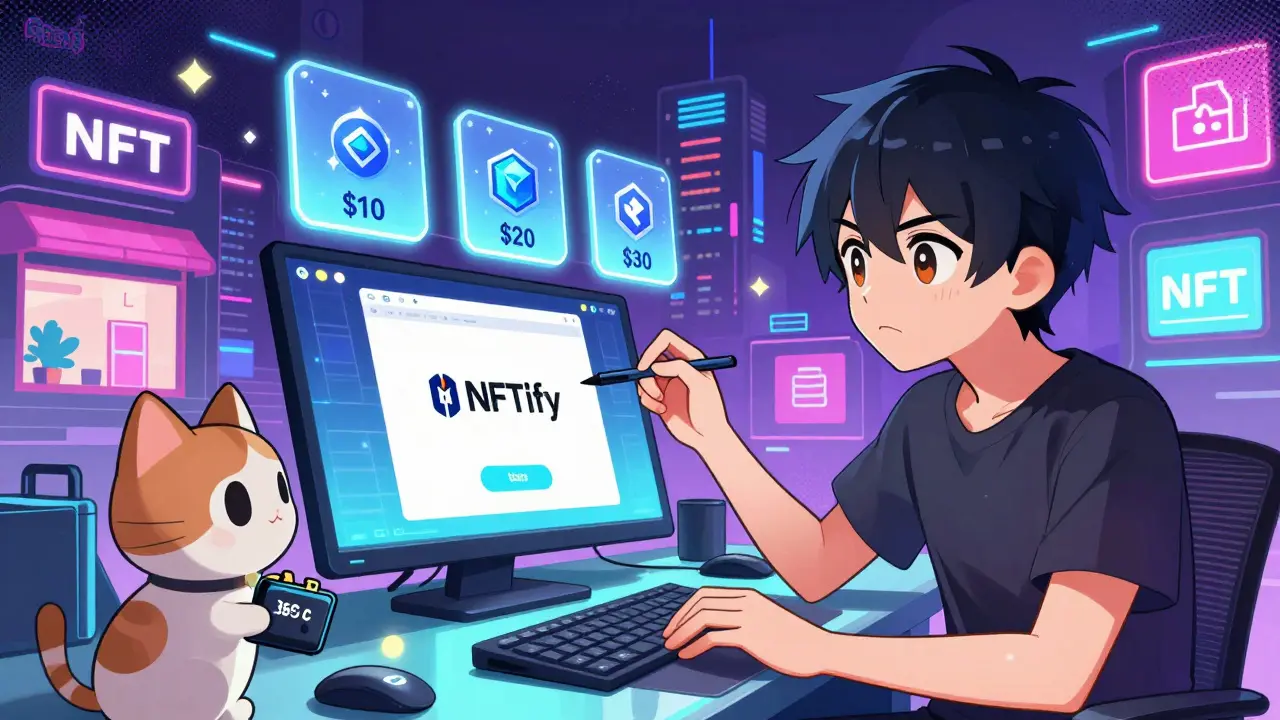
N1 by NFTify Airdrop: How It Worked and What You Missed
The N1 by NFTify airdrop rewarded real platform usage, not just social follows. It gave $10 to 1,000 users, $2,000 to store creators, and $300 to buyers. Now closed, but N1 tokens are still available on exchanges like Bitget.
BunnyPark (BP) Airdrop Details, Eligibility & How to Claim
Discover everything you need to know about the BunnyPark (BP) airdrop, including token details, likely eligibility rules, step‑by‑step preparation, and risk tips.