Crypto Exchange Scam: How to Spot and Avoid Fake Platforms
When you hear crypto exchange scam, a fraudulent platform pretending to be a legitimate place to buy, sell, or trade cryptocurrency, think of this: it’s not just about lost money—it’s about trust broken. These scams don’t always look like scams. Some mimic real exchanges with professional logos, fake reviews, and even cloned websites. Others lure you with impossible returns—"Earn 50% monthly on your Bitcoin!"—then vanish when you deposit. The fake crypto exchange, a platform created solely to steal funds under the guise of trading services doesn’t need to be fancy. It just needs to trick you once.
How do you tell the difference? Look for the basics. Real exchanges like Binance or Kraken have clear regulatory status, public team members, and verified contact info. Scams? No licenses, no physical address, no customer service that answers. You’ll see "support" that only responds via Telegram or WhatsApp—never email. They’ll push you to deposit fast, claiming "limited-time bonuses" or "exclusive access." That’s not urgency—that’s pressure. And if the site doesn’t use HTTPS, or the domain looks weird—like "binance-security[.]xyz" instead of "binance.com"—run. The crypto exchange security, the set of measures that protect user funds and data on legitimate platforms isn’t optional. It’s the only reason you should ever trust a platform with your crypto.
Look at what happened with InfinityCoin Exchange and xFutures. Both looked real. Both had websites, whitepapers, even YouTube videos. But zero trading volume, no team transparency, and no withdrawal options. By the time users noticed, the sites were gone. Same with TomoDEX—promised decentralized trading, collapsed when liquidity vanished. These aren’t isolated cases. They’re patterns. Scammers copy successful models and strip out the trust. They rely on you not checking the details. The crypto fraud, any deceptive practice designed to steal cryptocurrency through manipulation or false promises doesn’t need to be complex. It just needs to be faster than your caution.
And don’t ignore the airdrop traps. If someone messages you saying "You’ve been selected for a free CKN token"—it’s fake. No real project gives away tokens via DM. Real airdrops are announced on official channels, require you to join a verified community, and never ask for your private key. The scam exchange, a fraudulent platform that operates under false pretenses to extract crypto from users often pairs with fake airdrops to build credibility. One fake post leads to another. Before you know it, you’ve given up your seed phrase for a token that doesn’t exist.
You don’t need to be a tech expert to stay safe. Just slow down. Check the domain. Search the exchange name + "scam" on Google. Look for user reports on Reddit or Trustpilot. If no one’s talking about it, that’s a red flag. If the team is anonymous, that’s another. If the site looks too clean, too perfect—that’s the third. Real crypto doesn’t hide. It’s open, auditable, and accountable. Scams? They’re built to disappear.
Below, you’ll find real case studies of failed and fraudulent exchanges—what went wrong, who got burned, and how you can avoid the same fate. These aren’t theoretical warnings. These are lessons from people who lost everything because they didn’t ask the right questions. Learn from them.
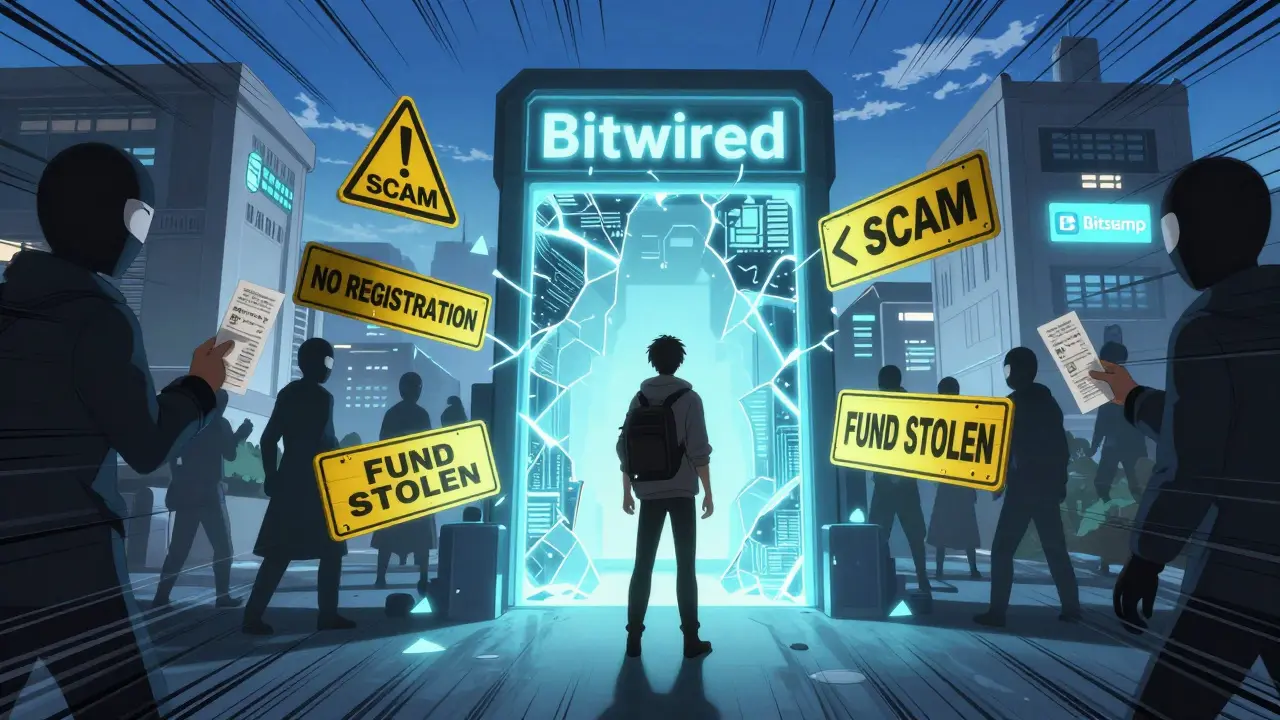
Bitwired Crypto Exchange Review: Is It Legit or a Scam?
Bitwired crypto exchange is not a legitimate platform. No regulatory records, no user reviews, no verified presence. It’s a scam designed to steal crypto. Learn the red flags and how to protect yourself.