Crypto Market Saudi Arabia
When looking at crypto market Saudi Arabia, the ecosystem of digital assets, trading venues, and government rules that operate within the Kingdom of Saudi Arabia. Also known as Saudi crypto scene, it reflects the country's blend of rapid fintech ambition and careful supervision. The Saudi Arabian regulatory landscape, a set of licensing, AML, and capital market rules overseen by the Saudi Central Bank and Capital Market Authority shapes which tokens can be listed, how exchanges must verify users, and what tax obligations traders face. This regulatory backdrop directly influences market depth, liquidity, and investor confidence. In practice, a clear rulebook helps local firms launch compliant services while giving foreign players a roadmap for entry. Understanding these foundations is the first step before diving into exchange options or market data.
Key Themes in the Saudi Crypto Landscape
The crypto market Saudi Arabia revolves around three practical pillars: regulated exchanges, stablecoin innovation, and regional adoption patterns. First, cryptocurrency exchanges in Saudi Arabia, platforms such as SaudiCoinX, XA Global, and regional branches of global firms that meet local licensing criteria provide the primary gateway for traders. These venues differentiate themselves by fee structures, fiat‑on‑ramp options, and security measures like cold storage and multi‑factor authentication. Second, the rise of Riyal‑pegged stablecoins, digital tokens backed by the Saudi Riyal (SAR) that aim to reduce volatility for everyday transactions, signals a push toward everyday utility and cross‑border payments. Finally, the broader Gulf Cooperation Council (GCC) crypto adoption, a regional trend where neighboring countries like the UAE and Qatar open doors for blockchain projects and crypto‑friendly policies, creates a spill‑over effect that fuels demand within Saudi borders. Together, these elements form a network where regulation enables exchanges, exchanges promote stablecoins, and regional momentum amplifies user growth.
Metrics show the Saudi crypto market gaining traction: daily trading volume on licensed platforms has climbed over 40% year‑over‑year, while institutional interest is reflected in the launch of several crypto‑focused ETFs listed on the Saudi Stock Exchange. Token listings now include both global DeFi projects and home‑grown solutions that comply with the Kingdom's Sharia‑compliant guidelines. Tokenomics matters too; projects that demonstrate clear utility, transparent governance, and alignment with Vision 2030 goals tend to secure faster approvals. For traders, the blend of low‑fee structures on local exchanges and the ability to move funds in SAR helps reduce conversion costs, making the market more attractive than many adjacent regions. Moreover, fintech startups are experimenting with blockchain‑based supply‑chain tracking and payment rails, further embedding digital assets into the economic fabric.
Looking ahead, the crypto market Saudi Arabia is set to benefit from upcoming policy drafts that may introduce clearer tax treatment for crypto gains and a sandbox environment for innovative blockchain pilots. As regulators fine‑tune AML/KYC standards, we can expect a smoother onboarding experience for retail users and more confidence for foreign investors eyeing the Gulf’s largest economy. The next wave could see broader acceptance of Central Bank Digital Currency (CBDC) trials, tighter integration with e‑commerce platforms, and expanded education initiatives aimed at demystifying crypto for the general public. With this context in mind, the articles below dive into exchange reviews, airdrop guides, regulatory updates, and technical analyses that together paint a detailed picture of where the Saudi crypto scene stands today and where it’s headed tomorrow.
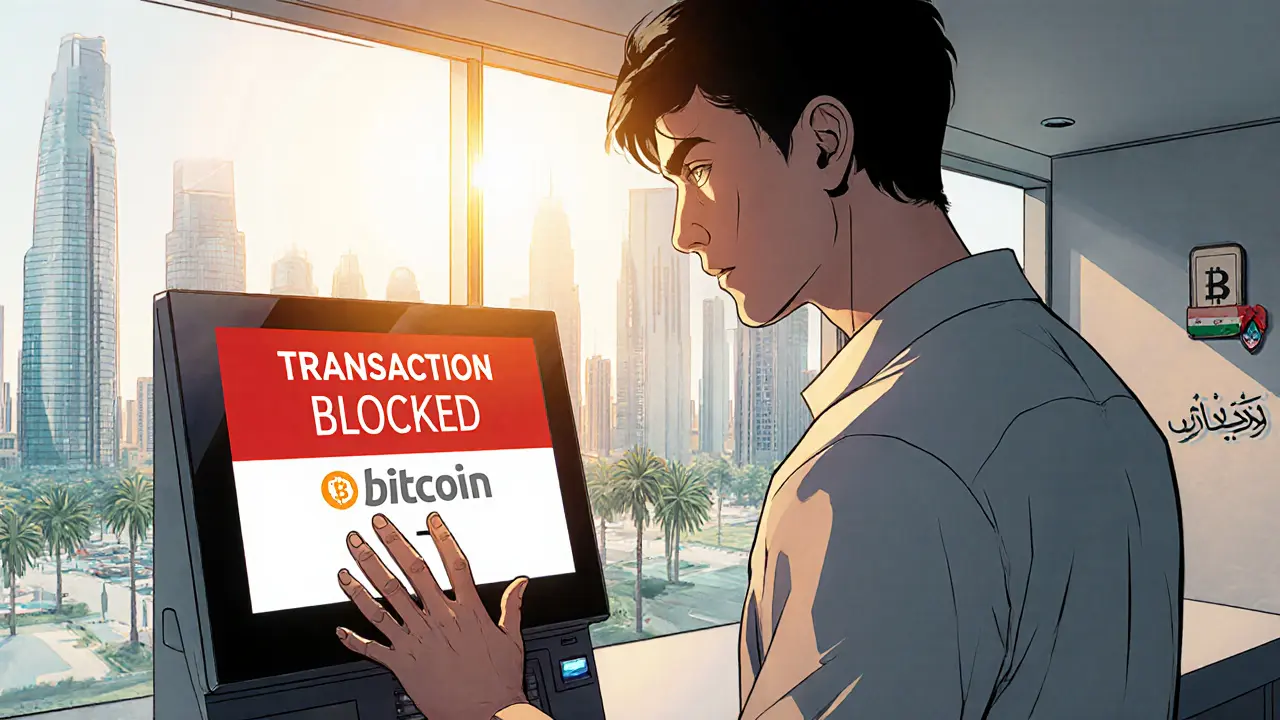
Understanding Saudi Arabia's Banking Ban on Crypto Transactions
Explore Saudi Arabia's strict banking ban on crypto, its impact on users and businesses, market growth despite restrictions, and future regulatory outlook.