Decentralized Storage: How Distributed Data Keeps Your Files Safe
When working with decentralized storage, a method of keeping data across multiple nodes instead of a single server. Also known as distributed storage, it lets users store files without relying on a central provider. The backbone of this approach is peer-to-peer networks, systems where each participant can act as both client and server, which share bandwidth and storage space in real time. Immutable blockchain records, tamper‑proof ledgers that timestamp data hashes guarantee that a file’s fingerprint never changes, providing cryptographic proof of originality. Finally, IPFS, the InterPlanetary File System, a widely adopted protocol for content‑addressable storage turns these concepts into a practical file system you can run on any computer.
Decentralized storage shines because it spreads copies across many machines, so a single hardware failure won’t erase your data. Redundancy comes built‑in, and the lack of a single point of control reduces censorship risk. Costs can drop dramatically when users contribute spare disk space, turning idle hardware into a revenue source. Security improves as attackers must compromise many independent nodes to alter a file, and encryption can protect data at rest and in transit. These attributes make it a solid foundation for applications that demand trust, such as NFT metadata, supply‑chain tracking, or personal backups.
Real‑world projects already rely on these principles. NFT platforms store artwork hashes on immutable records to prove authenticity, while decentralized finance (DeFi) protocols embed audit trails in storage layers. Enterprises use distributed file systems to keep sensitive documents safe across geographic regions, meeting compliance rules that forbid single‑site storage. Even gaming studios cache user‑generated content on peer‑to‑peer networks, ensuring fast access without overloading central servers.
Compared with traditional cloud services, decentralized storage removes the subscription model and the vendor lock‑in. You pay only for the actual storage you contribute or consume, and you retain full ownership of the data. However, latency can be higher because reads travel across multiple nodes, and user interfaces may feel less polished than big‑tech alternatives. Emerging solutions like content delivery layers and pinning services address these gaps by keeping popular files close to end users while still leveraging the underlying distributed network.
Incentive‑driven networks such as Filecoin and Arweave have turned storage into an economic engine. Filecoin miners earn tokens by sealing and serving data, while Arweave offers a one‑time payment model that guarantees permanent storage. Market data shows Filecoin’s total locked storage exceeding 30 EB, and Arweave’s per‑gigabyte cost hovering around $0.01 for eternal preservation. These numbers illustrate that the ecosystem is maturing and that tokenomics can sustain long‑term availability.
Getting started is straightforward. Download an IPFS client, add the files you want to share, and pin them using a service like Pinata or Lighthouse to keep them online even if your node goes offline. For larger needs, explore storage marketplaces that match you with miners offering competitive rates. Remember to back up critical data in multiple locations and to verify content hashes regularly—this simple habit ensures you always know the exact version stored on the network.
Below you’ll find a curated list of articles that dive deeper into related topics—from exchange reviews and airdrop guides to blockchain fundamentals like peer‑to‑peer networking. Whether you’re looking for practical tools, market analysis, or a quick rundown of the latest token drops, the collection gives you the context you need to make informed decisions about the decentralized web.
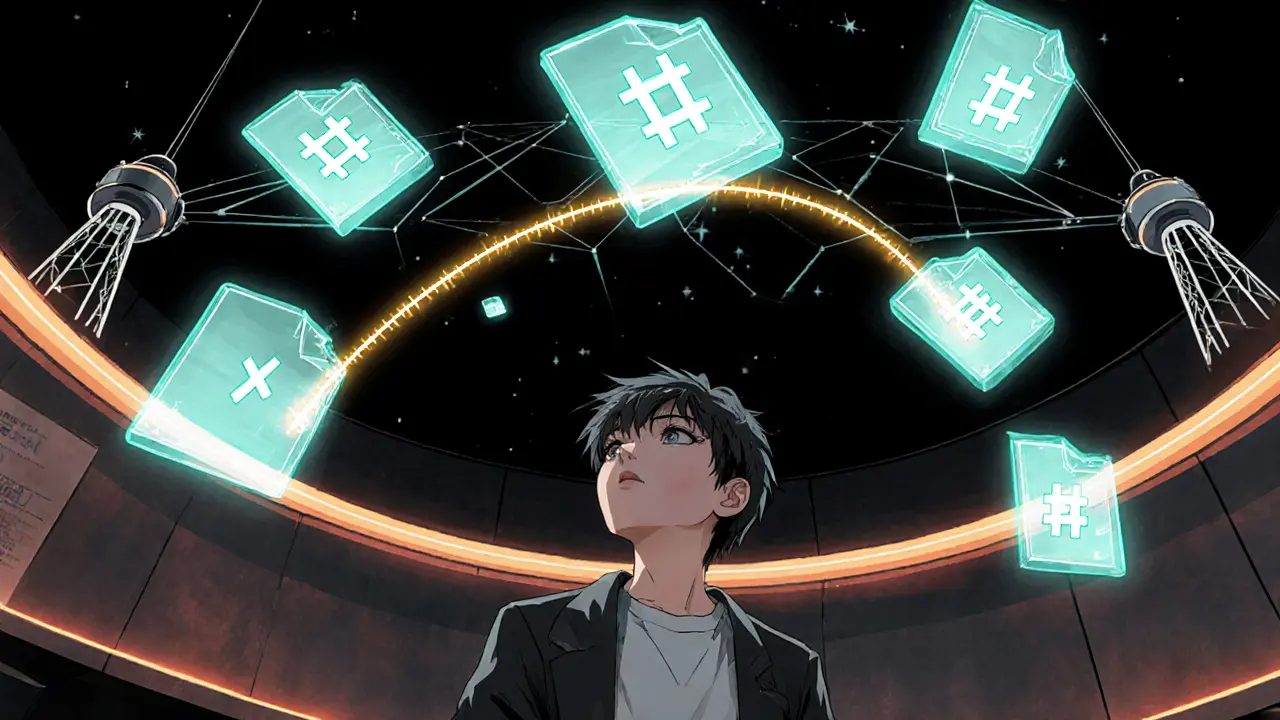
IPFS Explained: How to Store NFTs Securely
Learn how IPFS works, why it's the go‑to storage for NFTs, step‑by‑step upload guide, pinning strategies, and a comparison with alternatives. Get practical tips and FAQs to keep your NFT assets alive.