Exchange Safety: How to Keep Your Crypto Secure
When thinking about exchange safety, the practice of protecting your digital assets while using crypto trading platforms. Also known as platform security, it covers everything from hack prevention to regulatory compliance. The concept exchange safety encompasses robust crypto exchange a service that lets users buy, sell, and store cryptocurrencies features, strict security breach an incident where unauthorized actors gain access to user funds or data mitigation, and full AML compliance anti‑money‑laundering policies that verify users and flag suspicious activity. A recent breach at a popular Korean platform showed how quickly trust can evaporate, proving that exchange safety requires both technical safeguards and clear regulatory policies.
Key Factors That Define a Safe Exchange
First, look for cold‑storage solutions: the majority of user funds should sit offline, away from internet threats. Two‑factor authentication (2FA) and hardware‑wallet integrations add another layer of defense. Second, check if the platform holds an insurance fund or partners with reputable custodians; this can cover losses from unforeseen attacks. Third, regulatory standing matters—a clear KYC process, active AML monitoring, and a license from a respected financial authority all signal that the exchange is serious about compliance. Audits by third‑party security firms are another strong signal; they verify that smart contracts and backend systems are free from critical bugs. Finally, community transparency, like publishing security incident reports, helps users gauge how quickly an exchange can respond to a breach. These attributes together form a practical checklist that separates trustworthy services from risky ones.
When you start evaluating an exchange, compare its fee structure, user interface, and liquidity alongside the safety factors above. Reviews of platforms such as Kodiak V3 on Berachain, Websea, Cube Exchange, GDAC, and Top.one illustrate how safety features differ in real world settings. A low‑fee exchange might look attractive, but if it lacks cold storage or proper AML checks, the hidden risk could outweigh the savings. Likewise, a platform with high fees may justify them with insurance coverage and regular security audits. Use the posts below as a quick reference guide: each review breaks down features, fees, security measures, and compliance status, letting you make an informed choice without hunting through scattered sources. Armed with this overview, you’ll be ready to pick an exchange that protects your assets and lets you focus on trading, not worrying about hacks or regulatory headaches.
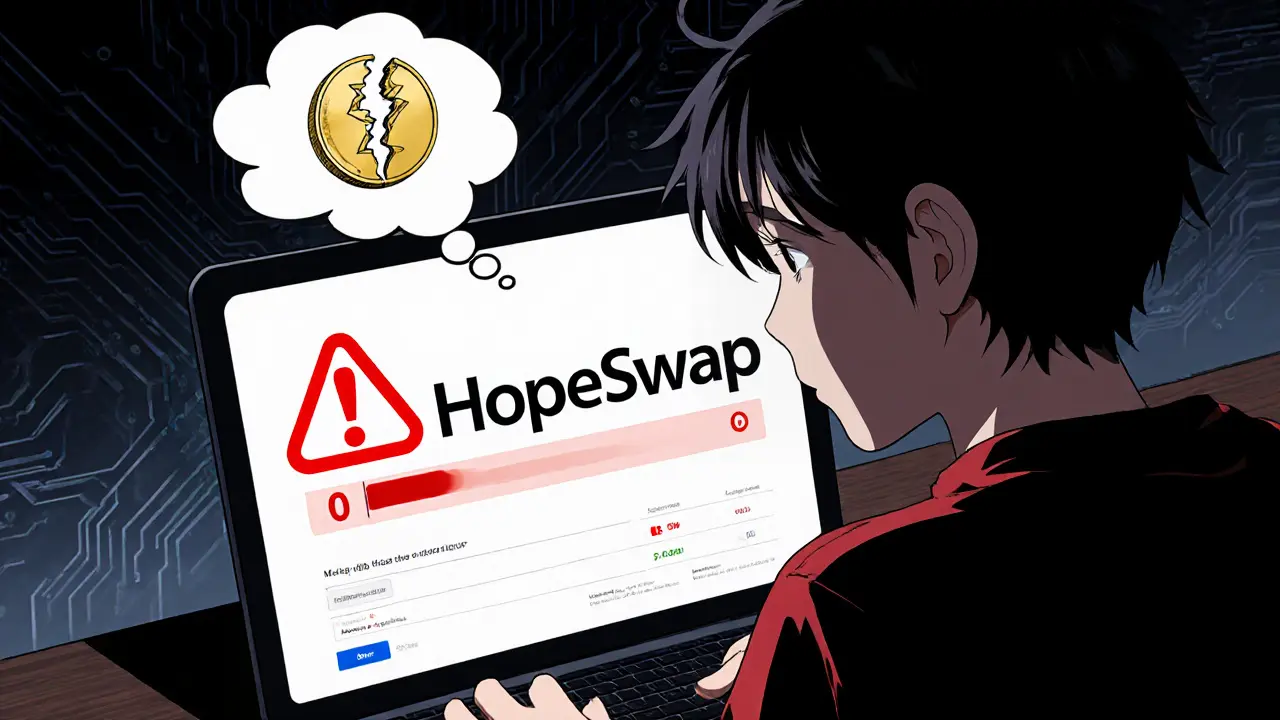
HopeSwap Crypto Exchange Review: Risks, Reality, and Safer Alternatives
A detailed review of HopeSwap crypto exchange reveals a zero trust score, no active trading pairs, and major red flags, advising users to avoid the platform and consider safer alternatives.

HomiEx Crypto Exchange Review 2025: Safe Platform or Scam?
A thorough 2025 review of HomiEx, exposing missing licenses, no proof of reserves, and red flags that signal a crypto exchange scam.