Fake Crypto Exchange: How to Spot and Avoid Scam Platforms
When you hear fake crypto exchange, a platform that pretends to be a legitimate place to trade cryptocurrency but is designed to steal your money. Also known as scam crypto exchange, it often looks professional—clean website, fake testimonials, even fake customer support—but it’s built to vanish the moment you deposit. These aren’t glitches or mistakes. They’re organized scams, and they’re getting smarter.
Real exchanges like Binance or Coinbase have audits, regulatory licenses, and public team members. A fake crypto exchange, a platform that pretends to be a legitimate place to trade cryptocurrency but is designed to steal your money. Also known as scam crypto exchange, it often looks professional—clean website, fake testimonials, even fake customer support—but it’s built to vanish the moment you deposit. These aren’t glitches or mistakes. They’re organized scams, and they’re getting smarter.
Real exchanges like Binance or Coinbase have audits, regulatory licenses, and public team members. A fake exchange red flag, a clear warning sign that a platform is not trustworthy, such as no KYC, no withdrawal history, or anonymous founders. Also known as crypto platform fraud, it often shows up in Telegram groups or YouTube ads promising 10x returns. Look at Bittime or InfinityCoin—both were promoted as real exchanges, but had zero trading volume, no team info, and eventually disappeared. The same pattern repeats: low fees at first, then sudden withdrawal blocks, then silence.
Another common trick? Fake airdrops. You’ll get a message saying, "Claim your free tokens on [Exchange Name]"—but the link leads to a phishing page that steals your wallet seed phrase. crypto exchange safety, the practice of verifying a platform’s legitimacy before depositing funds, including checking domain history, withdrawal records, and regulatory status. Also known as exchange verification, it’s not about how slick the site looks—it’s about what’s behind it. If the exchange isn’t listed on CoinMarketCap or CoinGecko, or if their domain was registered last week, walk away.
And don’t fall for the "we’re regulated" claim unless you verify it. Some fake exchanges use fake licenses from tiny, unrecognized agencies in places like the Marshall Islands or St. Vincent. Real licenses come from known bodies like the SEC, FCA, or NYDFS. Check the regulator’s official website. If you can’t find the exchange in their public registry, it’s not licensed.
There’s no magic tool that catches every scam. But there are simple habits: never deposit without testing a small withdrawal first. Never trust a platform that doesn’t let you control your own private keys. Never click a link sent in a DM—even if it looks like it’s from CoinMarketCap. And always Google the exchange name + "scam" before you sign up.
What you’ll find below are real cases of fake crypto exchanges that tricked thousands—Bittime, xFutures, TomoDEX, InfinityCoin—and how each one collapsed. You’ll see exactly what the red flags looked like before the money vanished. No theory. No guesswork. Just the facts from people who lost everything because they didn’t know what to look for.
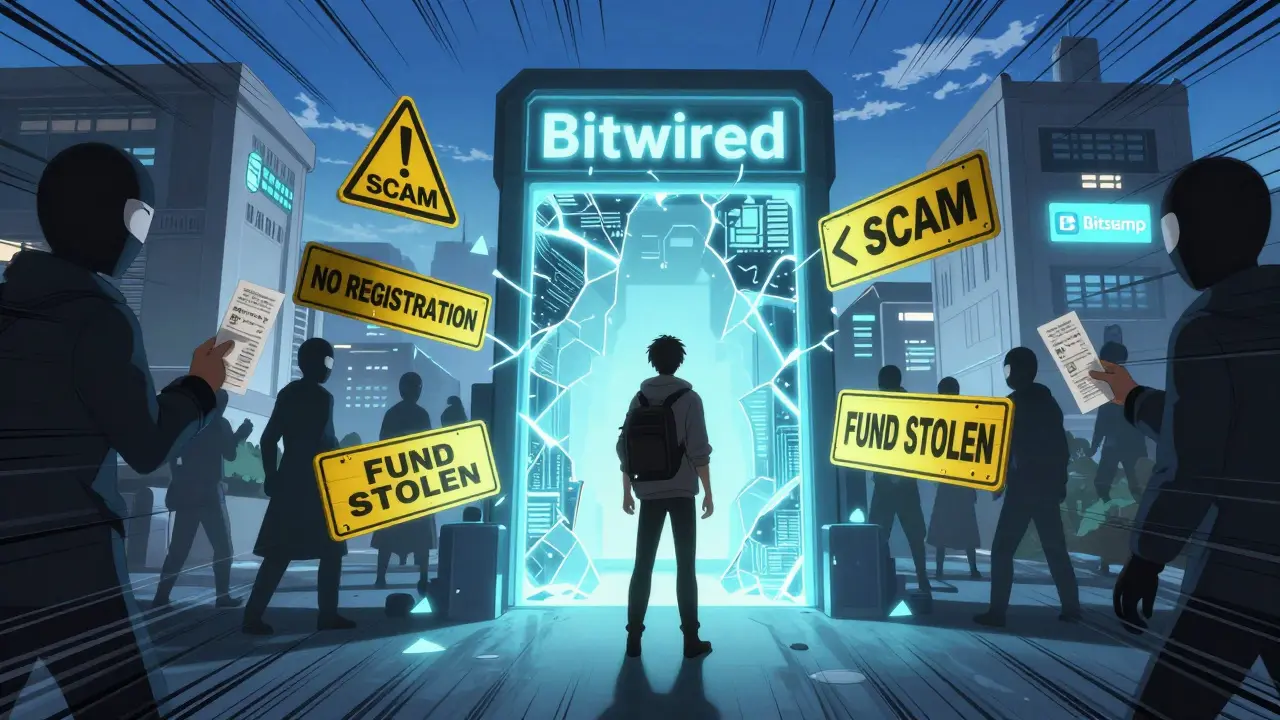
Bitwired Crypto Exchange Review: Is It Legit or a Scam?
Bitwired crypto exchange is not a legitimate platform. No regulatory records, no user reviews, no verified presence. It’s a scam designed to steal crypto. Learn the red flags and how to protect yourself.