Ingredient NFTs Explained: The Building Blocks of Crypto Creators
When diving into Ingredient NFTs, digital tokens that represent in‑game items, recipe parts, or any virtual component used to craft larger NFT projects. Also known as ingredient tokens, they let creators mix and match assets just like real‑world ingredients. NFTs are unique, indivisible tokens stored on a blockchain provide the base layer, while GameFi blends gaming mechanics with decentralized finance incentives gives them a purpose you can earn from.
Why Ingredient NFTs Matter for Players and Developers
Ingredient NFTs unlock modular gameplay. Instead of buying a whole character or a full‑size artwork, you can purchase just the sword, a skin, or a sound effect—each is an ingredient. This modularity drives lower entry costs and a thriving secondary market where users trade individual pieces. At the same time, developers benefit from tokenomics the economic rules that govern supply, demand, and reward distribution for a token. By assigning scarcity to each ingredient, they can fine‑tune revenue streams and keep the ecosystem balanced.
Another boost comes from airdrop a free distribution of tokens or NFTs to eligible wallets, often used for promotion. Projects frequently airdrop ingredient NFTs to early adopters, sparking community buzz and seeding the marketplace with initial liquidity. When a popular game launches a new cooking mechanic, a well‑timed airdrop can flood the market with fresh ingredients, raising both awareness and trade volume across exchanges.
Underlying all of this is the blockchain a decentralized ledger that records transactions securely and transparently. The blockchain guarantees provenance: every ingredient NFT has an immutable history, so buyers know exactly where a digital asset originated. This trust layer is crucial for high‑value items like rare weapon parts or limited‑edition art components.
For traders, ingredient NFTs introduce a new arbitrage angle. Since each ingredient has its own price curve, savvy users can buy low‑priced ingredients on one exchange and sell high‑priced combos on another. This dynamic mirrors traditional commodity markets, where raw materials are bought, processed, and sold as finished goods. The same logic applies to crypto exchanges platforms where digital assets are bought, sold, or swapped, many of which now list popular ingredient NFTs alongside mainstream coins.
Community governance also plays a role. Many ingredient NFT projects let token holders vote on new ingredient releases, rarity adjustments, or even gameplay balance changes. This creates a feedback loop: active users shape the ecosystem, which in turn influences tokenomics, airdrop schedules, and market demand. The result is a living, evolving marketplace where every participant can impact the next big drop.
From a creator’s perspective, ingredient NFTs simplify asset management. Instead of minting a single massive NFT for an entire game, developers can mint dozens of smaller pieces, each with its own metadata and royalty settings. This granularity makes it easier to track usage, pay creators, and comply with platform guidelines. It also opens doors for collaborations—different artists can contribute individual ingredients that later combine into a collective masterpiece.
Below, you’ll find a hand‑picked set of guides, reviews, and walkthroughs that dive deeper into each of these aspects. Whether you’re hunting for the next airdrop, comparing exchange fees for ingredient NFT trading, or unpacking tokenomics models, the collection gives you practical insights you can act on right now.
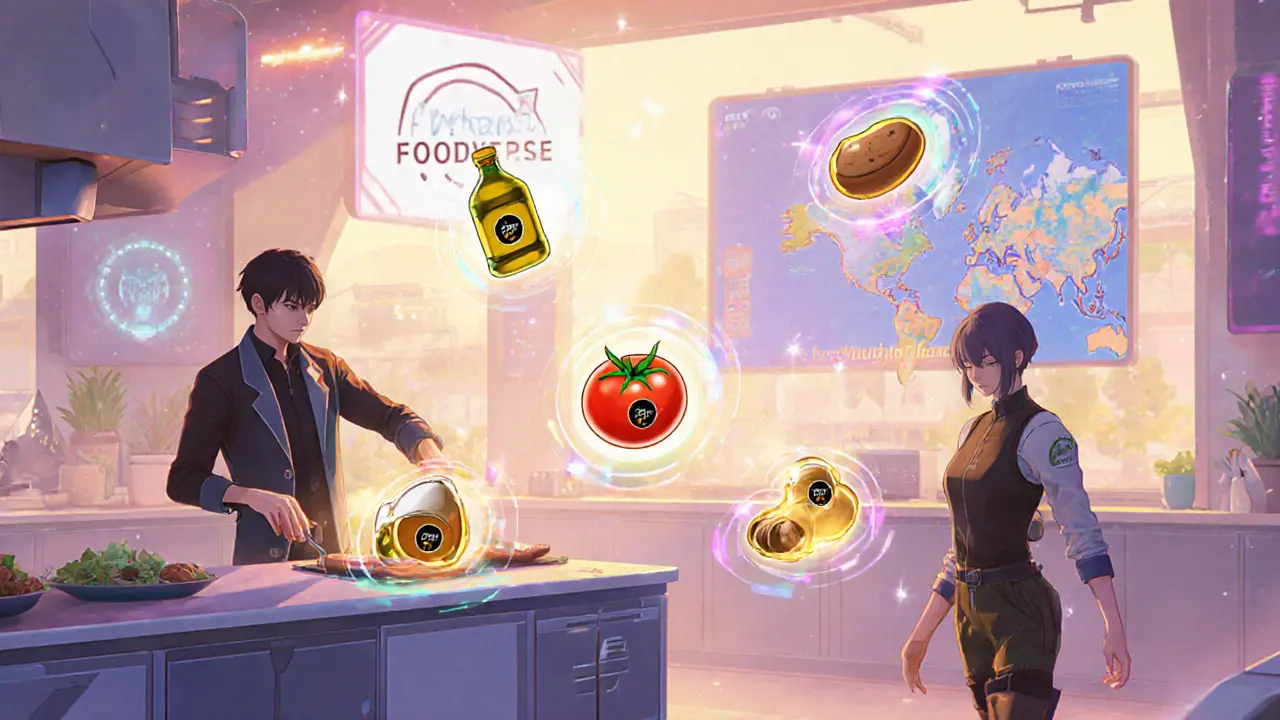
OneRare (ORARE) First Harvest Airdrop Details - How to Claim, Requirements & Future Outlook
Dive into the OneRare First Harvest airdrop: how to qualify, what NFTs you received, token details, and what the future holds for the food‑themed Web3 game.