Low‑Cap Cryptocurrency: What You Need to Know
When working with low‑cap cryptocurrency, a digital asset with a market cap typically under $50 million that often flies under the radar of mainstream investors. Also known as small‑cap coin, it can offer big upside but also carries big risk. Airdrop, a free token distribution used to kickstart a new low‑cap project or reward early supporters often serves as the first spark of community interest. Crypto exchange, a platform where you can buy, sell, or trade low‑cap tokens provides the gateway to liquidity. And Tokenomics, the economic model behind a coin’s supply, distribution, and incentives decides whether the project can sustain growth. Together, these pieces create the ecosystem you’ll see in the articles below.
Why Low‑Cap Coins Matter in the Crypto World
Low‑cap cryptocurrency encompasses the frontier of innovation. Developers launch experimental tech on these modest market caps because they can test ideas without massive capital constraints. As a result, you often find fresh use‑cases—new DeFi models, niche NFTs, or novel consensus mechanisms—before they hit larger platforms. However, the same freedom means volatility spikes. Prices can double overnight on a single tweet, then tumble just as fast if the community loses confidence. Understanding the risk‑reward balance is crucial; you’ll see that successful projects usually have clear tokenomics, real utility, and an active community driving demand.
Another key factor is the role of airdrops. An airdrop can instantly raise awareness of a low‑cap token by handing out free units to early adopters or specific wallet holders. This influx of users often translates into higher trading volume on crypto exchanges, which in turn improves price discovery. But not every airdrop is genuine—many are marketing stunts that vanish after a short hype burst. Spotting a real, well‑structured airdrop involves checking the distribution criteria, the token’s supply limits, and whether the project has a roadmap beyond the giveaway.
Crypto exchanges are the practical arena where you turn theory into action. Some exchanges specialize in listing low‑cap coins, offering deeper order books and lower fees for niche assets. Others may list a token for a brief window, then delist it due to insufficient liquidity. When evaluating an exchange, look at security features, fee structures, and the breadth of supported low‑cap assets. A solid exchange can provide the tools you need to manage risk—stop‑loss orders, real‑time charts, and transparent fee schedules.
Tokenomics ties everything together. Solid tokenomics outlines how many coins exist, how many are released over time, and what incentives keep holders engaged. For example, a deflationary model that burns a portion of each transaction can create scarcity, while a staking reward system might encourage users to lock up tokens, reducing circulating supply. When the token’s economic design aligns with real‑world utility—like paying for services on a platform or granting governance rights—it’s more likely to survive beyond the initial hype.
All these elements—airdrop dynamics, exchange accessibility, and tokenomics—feed directly into market analysis. A comprehensive market analysis for a low‑cap cryptocurrency looks at trading volume, price trends, community sentiment, and on‑chain metrics such as active addresses or contract interactions. By combining these data points, you can separate projects with genuine upside from those that are merely speculative pumps. The guides below break down each of these aspects, offering step‑by‑step checklists, real‑world examples, and actionable tips.
Ready to dive deeper? Below you’ll find detailed reviews of specific low‑cap coins, airdrop walkthroughs, exchange comparisons, and tokenomics breakdowns. Each piece is built to give you the practical knowledge you need before you invest, trade, or claim a free token.
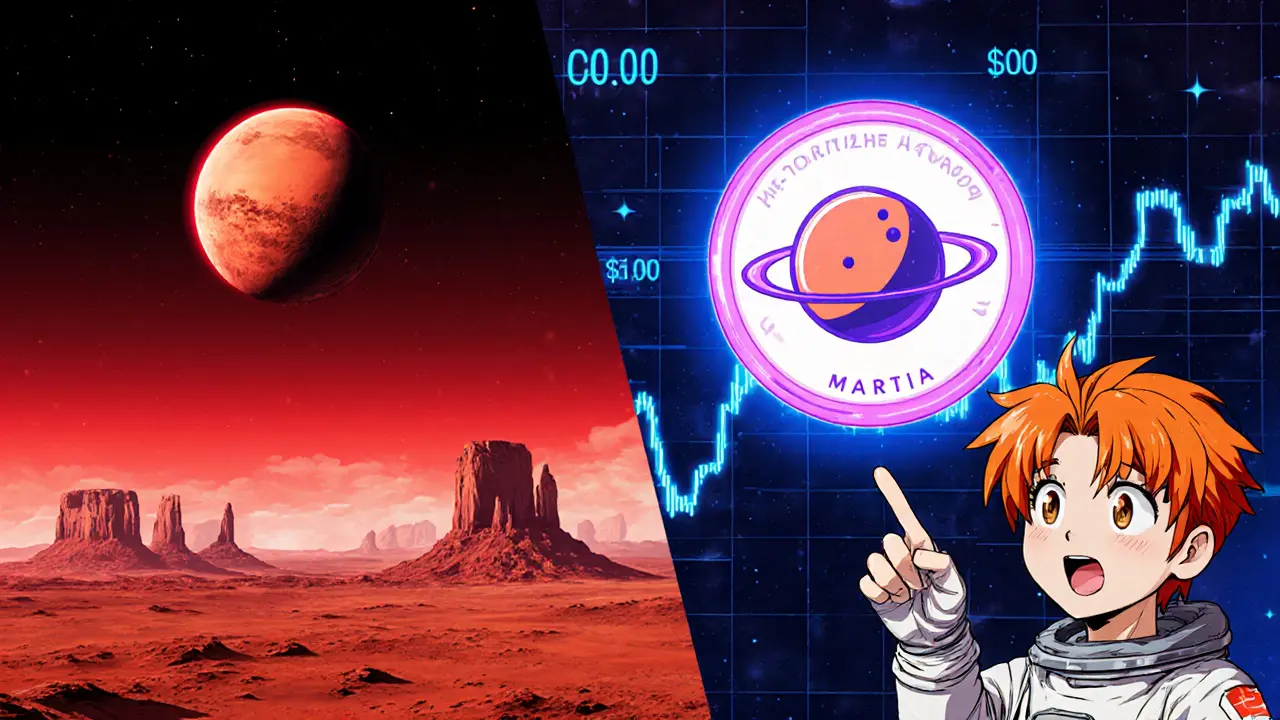
Colonize Mars (MARTIA) Crypto Coin Explained - Price, Supply, and Risks
Discover what Colonize Mars (MARTIA) crypto coin is, its tech basics, market data, risks, and how it stacks up against other space-themed tokens.