Metaverse NFT: What It Is and Why It Matters
When you hear Metaverse NFT, digital assets that live inside virtual worlds and can be bought, sold, or used as unique items. Also known as virtual collectible, it bridges blockchain tech with immersive environments. In plain terms, a metaverse NFT is a token you can own inside a 3D space—think a piece of virtual land, a avatar skin, or a collectible sword. It metaverse NFT combines three ideas: the scarcity of NFTs, the endless playground of the metaverse, and the financial hooks of crypto. This combo creates a new kind of digital property: you can trade it on a DEX, display it in a virtual gallery, or use it to unlock game features. Because the token lives on a public ledger, ownership is provable, transfers are quick, and creators keep a cut on each resale. That simple truth shapes everything you’ll read below—whether you’re hunting airdrops or scouting the next virtual world to invest in.
Key Building Blocks Behind Metaverse NFTs
First up, NFT, a token that represents a one‑of‑a‑kind item on a blockchain provides the scarcity. Without NFT standards like ERC‑721 or Solana’s Metaplex, each item would be just another file on a server. Next, the Metaverse, a shared 3D virtual space where users can interact, work, and play supplies the playground where those unique items get value. Think of a virtual concert hall that only lets owners of a certain NFT attend—that’s the power of the metaverse. Finally, GameFi, the blend of gaming and decentralized finance that lets players earn tokens while they play adds the financial engine. GameFi influences metaverse NFT adoption by rewarding players with token drops for holding or using specific NFTs, turning casual gamers into investors. Together, these three entities create a cycle: NFTs give items rarity, the metaverse gives them context, and GameFi gives them earning potential.
Because most of the articles on this page focus on real‑world examples—airdrop guides, exchange reviews, and token deep dives—you’ll see how each piece fits into the picture. One post breaks down airdrop eligibility for a virtual‑world token, another compares DEX fees for buying land NFTs, and yet another explains why a certain GameFi project’s token is labeled a zombie token. By the end of the list you’ll have a toolbox: you’ll know how to spot a legit airdrop, evaluate the security of the exchange you use, and understand the risk profile of a metaverse‑linked token. Use that knowledge to decide whether to collect, trade, or build with metaverse NFTs, and keep an eye on upcoming drops that could boost your portfolio.
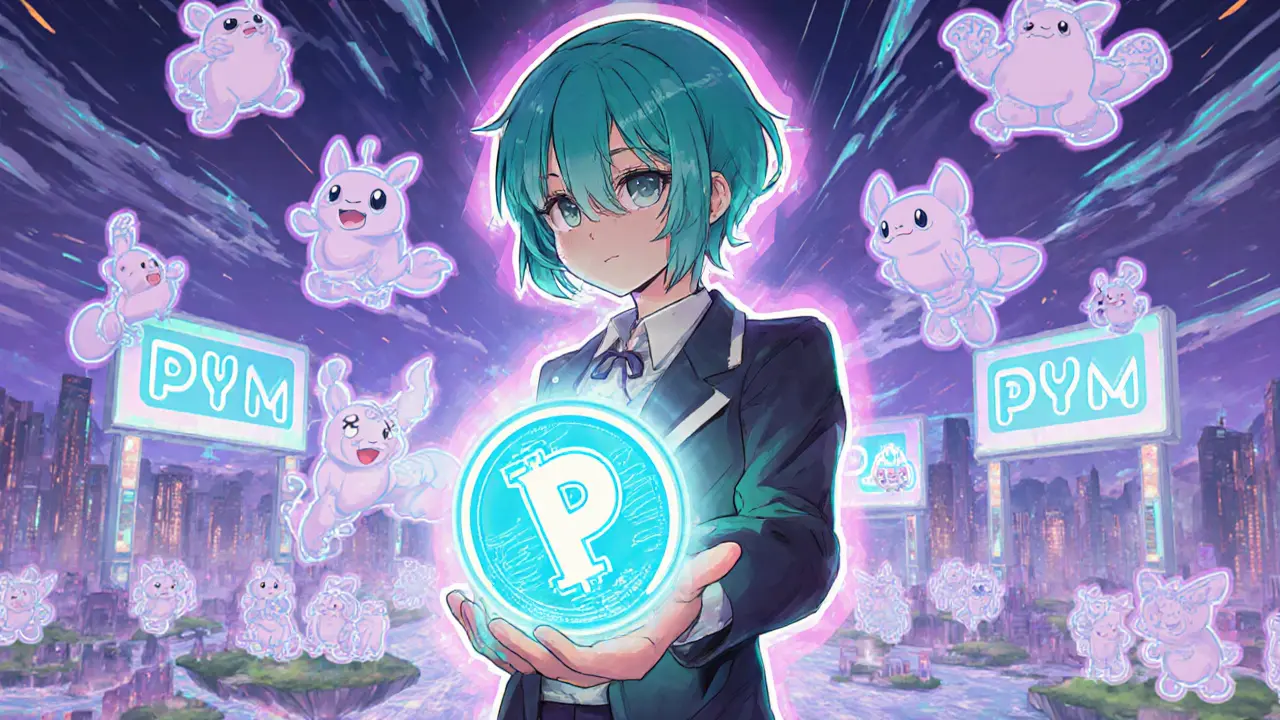
PlayerMon (PYM) Metaverse NFT Airdrop 2025: Full Details & How to Claim
Discover everything you need to know about the PlayerMon (PYM) Metaverse NFT airdrop: eligibility, claim steps, reward estimates, and how to stay updated.