New York Crypto Regulations: What You Need to Know in 2025
When it comes to New York crypto regulations, a complex set of state-level rules governing cryptocurrency businesses and users, enforced primarily by the New York State Department of Financial Services (NYDFS). Also known as BitLicense requirements, these rules make New York one of the hardest places in the U.S. to launch or operate a crypto business. If you’re trading, investing, or running a platform that touches crypto in New York, you’re dealing with a system that’s less about innovation and more about control.
The core of it all is the BitLicense, a mandatory permit required for any company handling virtual currency in New York, including exchanges, wallet providers, and payment processors. Getting one isn’t cheap—it costs tens of thousands in fees, demands detailed financial records, and requires a full-time compliance officer based in the state. Over 100 companies applied in the first five years. Only about 25 got approved. Many, like Kraken and Binance, just pulled out instead of fighting the paperwork. Even Coinbase, one of the biggest names in crypto, had to jump through hoops to stay compliant. And if you’re just a regular user? You can still buy Bitcoin, but you’re stuck using platforms that cleared the BitLicense hurdle—meaning fewer choices and often higher fees.
It’s not just about licenses. New York also enforces strict anti-money laundering rules, requires real-time transaction monitoring, and forces companies to report suspicious activity—even if it’s just a small transfer. This has led to delays in deposits, frozen accounts, and sudden service shutdowns for users who don’t meet the state’s opaque standards. Some traders report being asked for bank statements, utility bills, and even screenshots of their wallet addresses just to move funds. Meanwhile, startups avoid New York entirely, choosing states like Wyoming or Texas where the rules are clearer and lighter.
What does this mean for you? If you live in New York, you’re not banned from crypto—but you’re operating under tighter restrictions than almost anywhere else. Your favorite exchange might not be available. Your airdrop might be blocked. Your DeFi wallet might get flagged. And if you’re running a business? You’re paying more, waiting longer, and dealing with more red tape than anywhere else in the country. The state claims it’s protecting consumers. But many see it as a barrier to entry that favors big players and punishes everyone else.
Below, you’ll find real stories from people who’ve been caught in the system—exchanges that shut down, tokens that vanished because they couldn’t get licensed, and users who lost access to funds overnight. You’ll also see how other states handle crypto differently, and what’s changing in 2025 as regulators across the U.S. start to rethink their approach. This isn’t theory. It’s what’s happening right now—and if you’re in New York, you need to know it.
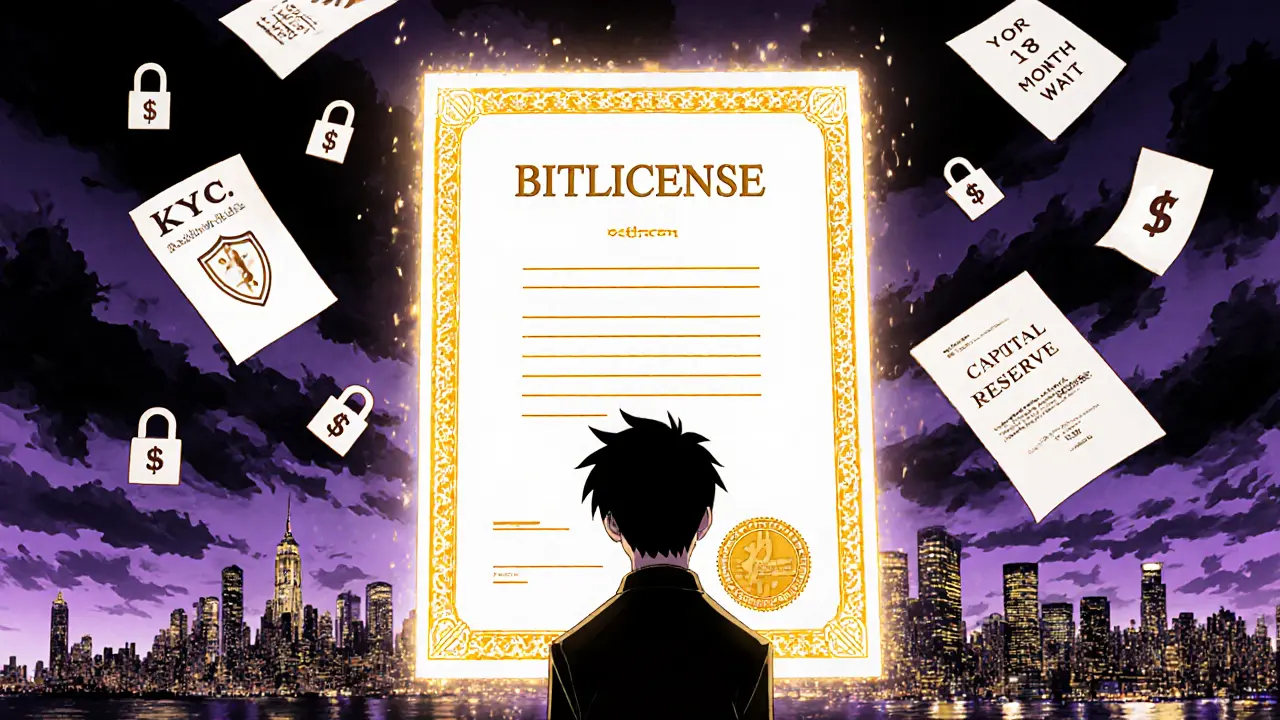
BitLicense Requirements for Crypto Businesses in New York: What You Need to Know in 2025
The BitLicense is New York's strict crypto business license requiring high capital, cybersecurity, and compliance standards. Learn what it takes to operate legally in 2025 and who can afford it.