NYDFS Crypto Rules: What You Need to Know About New York's Crypto Regulations
When it comes to crypto regulation in the U.S., the NYDFS crypto rules, the strict licensing and compliance framework set by the New York State Department of Financial Services. Also known as BitLicense, it's one of the most demanding sets of rules any crypto business has to follow in America. If you're trading, holding, or building something with crypto in New York, these rules aren't optional—they're the gatekeeper. The NYDFS doesn't just ask for paperwork. It demands proof of security, financial backing, anti-money laundering controls, and even how you handle customer funds. And it’s not just for exchanges. Wallet providers, custodians, and even some DeFi platforms have had to navigate this system—or get shut out.
The BitLicense, the specific license issued under NYDFS crypto rules that allows companies to operate in New York has been around since 2015, and it’s still the gold standard for regulatory toughness. Over 100 companies applied in the first few years. Only about 30 got approved. That’s not because they were bad businesses—it’s because the bar is set so high. You need $5 million in net capital, full audit trails, and a physical presence in New York. Compare that to states like Wyoming or Texas, where crypto is treated more like a tool than a threat. The NYDFS treats crypto like a bank—and that’s why so many exchanges either avoid New York entirely or charge higher fees to cover compliance costs.
What does this mean for you, the user? If you’re in New York, your choices for exchanges are limited. Coinbase, Kraken, and Gemini made it through the process. But dozens of smaller platforms? Gone. You might see a coin listed on Binance, but if it’s not NYDFS-approved, you can’t trade it if you’re in the state. Even airdrops and token sales can be blocked if they don’t have a BitLicense. And if you’re running a crypto business? Good luck getting funding. Investors don’t want to touch anything that might get flagged by NYDFS. That’s why so many startups move to other states—or other countries.
The crypto compliance, the ongoing process of meeting regulatory standards like KYC, AML, and reporting under NYDFS rules isn’t just about avoiding fines. It’s about trust. New York users expect their exchange to be safe, transparent, and accountable. That’s why even though the rules are tough, they’ve created a level of reliability you won’t find elsewhere. But that reliability comes at a cost—slower innovation, fewer options, and higher prices. The NYDFS didn’t set out to kill crypto. But in trying to control it, they made it harder for anyone who isn’t already big to play.
And here’s the twist: the rest of the country is watching. Other states are watching how NYDFS handles crypto licensing, enforcement, and consumer protection. Some are copying it. Others are running the opposite direction. But one thing’s clear—New York didn’t just make rules. It set a precedent. Whether you’re a trader, a developer, or just someone holding Bitcoin, these rules affect you. The posts below show you exactly how they’ve shaped real crypto projects, forced companies to shut down, and changed what’s possible in the U.S. market. You’ll see failed exchanges, blocked airdrops, and why some tokens never made it to New York. This isn’t theory. It’s what happened when regulation met reality.
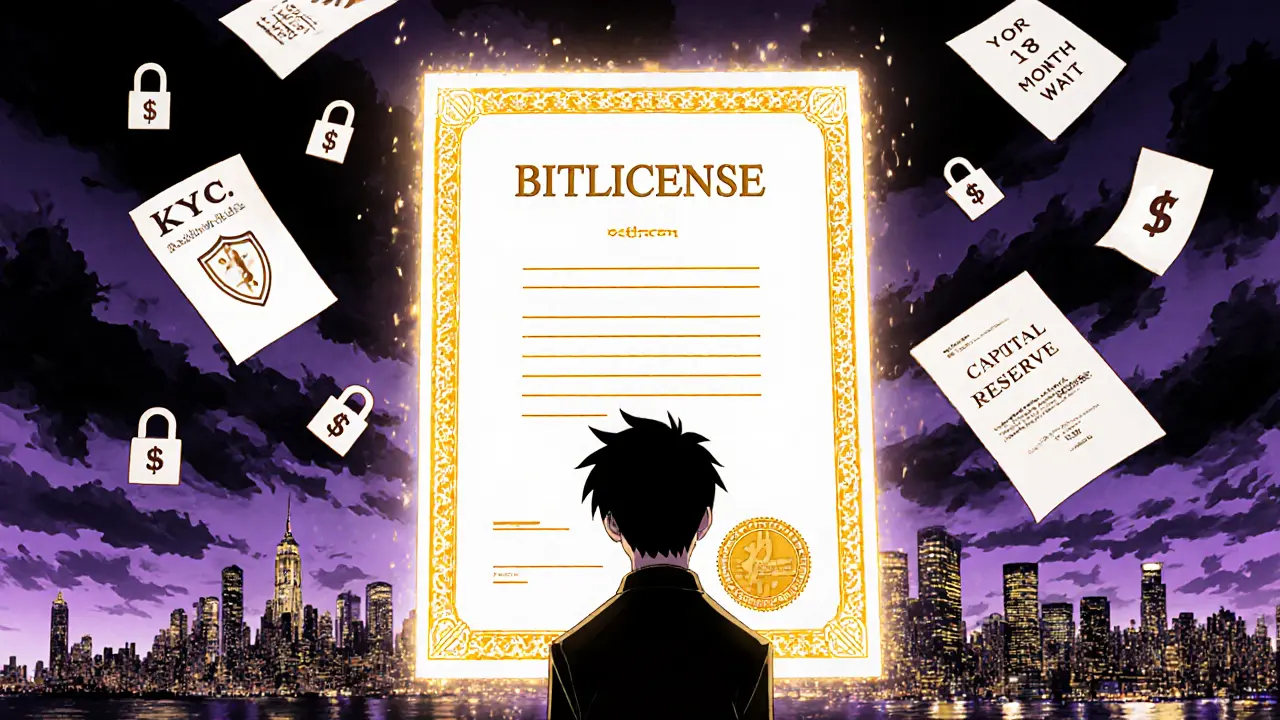
BitLicense Requirements for Crypto Businesses in New York: What You Need to Know in 2025
The BitLicense is New York's strict crypto business license requiring high capital, cybersecurity, and compliance standards. Learn what it takes to operate legally in 2025 and who can afford it.