Trust Score – Your Quick Gauge for Crypto Safety
When dealing with Trust Score, a numeric or categorical rating that reflects how reliable a crypto product or service is based on security, transparency, and compliance. Also known as reliability rating, it helps you cut through hype and focus on what actually works.
Why Trust Scores Matter
Every time you pick a Crypto Exchange, you’re trusting its order‑book, its fee model, and its ability to keep your funds safe. A solid trust score summarizes those factors into an easy‑to‑read number. It also tells you whether the platform follows AML rules, how its security audits look, and if its liquidity is sufficient for daily trading.
But exchanges aren’t the only place where trust scores shine. When a new airdrop pops up, you need to know if it’s a genuine community reward or a phishing trap. That’s where Airdrop Legitimacy comes in – a sub‑score that checks the source contract, the distribution method, and past performance of the project’s tokenomics.
Regulators also play a big role. Regulatory Compliance feeds directly into the overall trust score, because a platform that ignores KYC or AML guidelines can be shut down overnight. Compliance data includes licensing, jurisdiction coverage, and how often the service updates its policies to match new laws.
All these pieces sit on top of Blockchain Data Integrity. When the ledger itself is immutable and transparent, you can verify transaction histories, token supplies, and smart‑contract code without relying on a middleman. Data integrity boosts the trust score by confirming that the numbers you see aren’t being faked.
In practice, a high trust score means you’ll face lower fees, smoother withdrawals, and fewer surprise freezes. Low scores warn you to stay clear or dig deeper before committing any capital. The score is not static; it updates as new audits, security patches, or regulatory changes roll out.
Our collection of articles below walks you through real‑world examples: from a deep dive into Kodiak V3’s exchange rating, to a step‑by‑step guide on spotting fake airdrops, and a rundown of how the UAE’s FATF grey‑list exit reshapes compliance scores. You’ll also see how soft forks maintain backward compatibility, which indirectly safeguards trust scores by avoiding network splits.
Whether you’re a beginner trying to pick a first exchange or a seasoned trader comparing advanced DEX metrics, understanding how trust scores are built will save you time and money. The posts also highlight practical tools – like audit dashboards and on‑chain explorers – that let you verify each component yourself.
Ready to see the trust scores in action? Below you’ll find detailed reviews, cheat‑sheets, and how‑to guides that break down each factor, show you the numbers, and explain what they mean for your crypto journey.
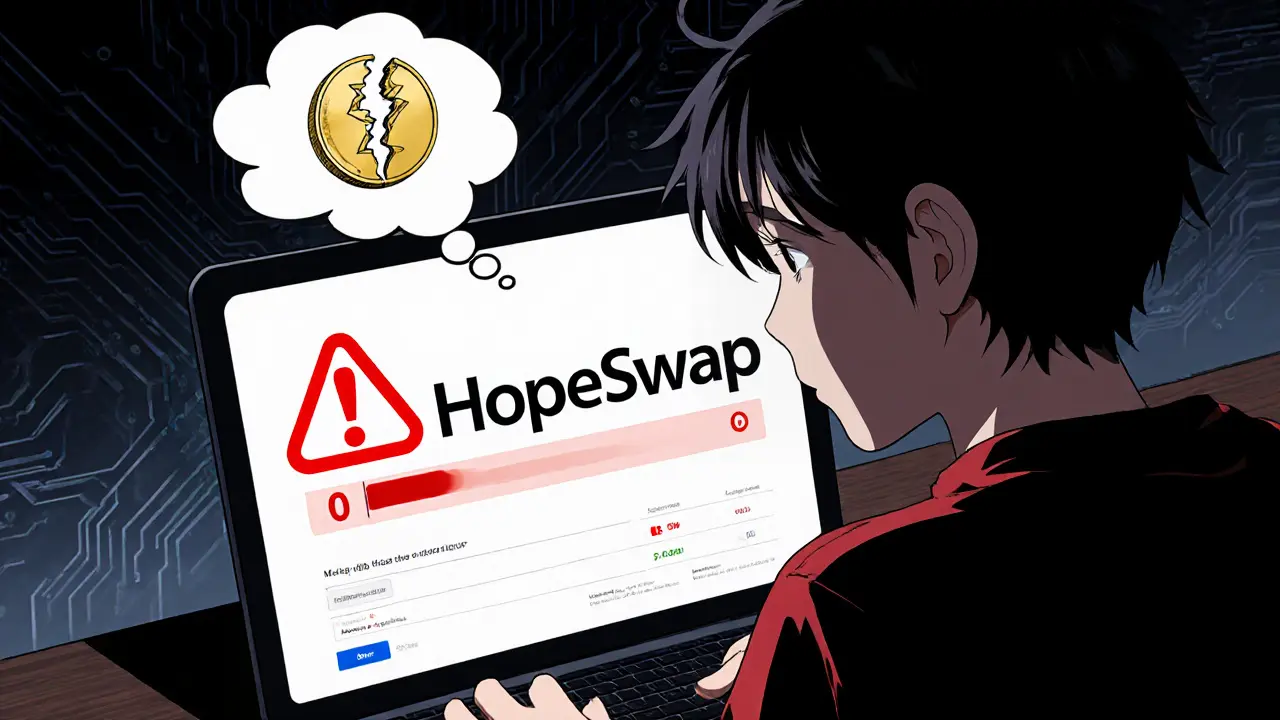
HopeSwap Crypto Exchange Review: Risks, Reality, and Safer Alternatives
A detailed review of HopeSwap crypto exchange reveals a zero trust score, no active trading pairs, and major red flags, advising users to avoid the platform and consider safer alternatives.