Burn Address: What It Is and Why It Matters in Crypto
When a crypto project burn address, a public wallet with no private key, used to permanently remove tokens from circulation. Also known as dead wallet, it's a tool that cuts supply without needing approval from anyone. Think of it like shredding cash—once it’s gone, it’s gone for good. This isn’t just a technical trick; it’s a signal. Projects use burn addresses to show they’re serious about reducing supply and making tokens scarcer over time.
That scarcity directly ties into token supply, the total number of coins or tokens in existence, including those locked, burned, or in circulation. When tokens get sent to a burn address, that number drops. No more inflation from new coins, no more dilution. That’s why you’ll see burn addresses used in deflationary token, a token designed to decrease in total supply over time to increase value models. Binance burns BNB every quarter. Ethereum burns ETH with every transaction. These aren’t random acts—they’re deliberate moves to build trust. Investors notice when supply shrinks. They pay attention when a project burns millions of tokens and doesn’t just talk about it.
But not all burns are equal. Some are marketing stunts. Others are real, verifiable, and built into the code. That’s why you need to check the blockchain. Is the burn address real? Are the burns happening on-chain? Are they frequent? A burn address that sits empty for months then suddenly gets 10 million tokens dumped in it? That’s a red flag. The best burns are consistent, transparent, and tied to real project milestones.
In the posts below, you’ll find real examples of how burn addresses impact token value, how some projects fake them, and how to tell the difference between a genuine supply reduction and a gimmick. You’ll see how burn addresses relate to tokenomics in coins like EMRX, PAINT, and BFT—and why some tokens crash even after big burns. This isn’t theory. It’s what’s happening right now in crypto. Know how to spot the real ones.
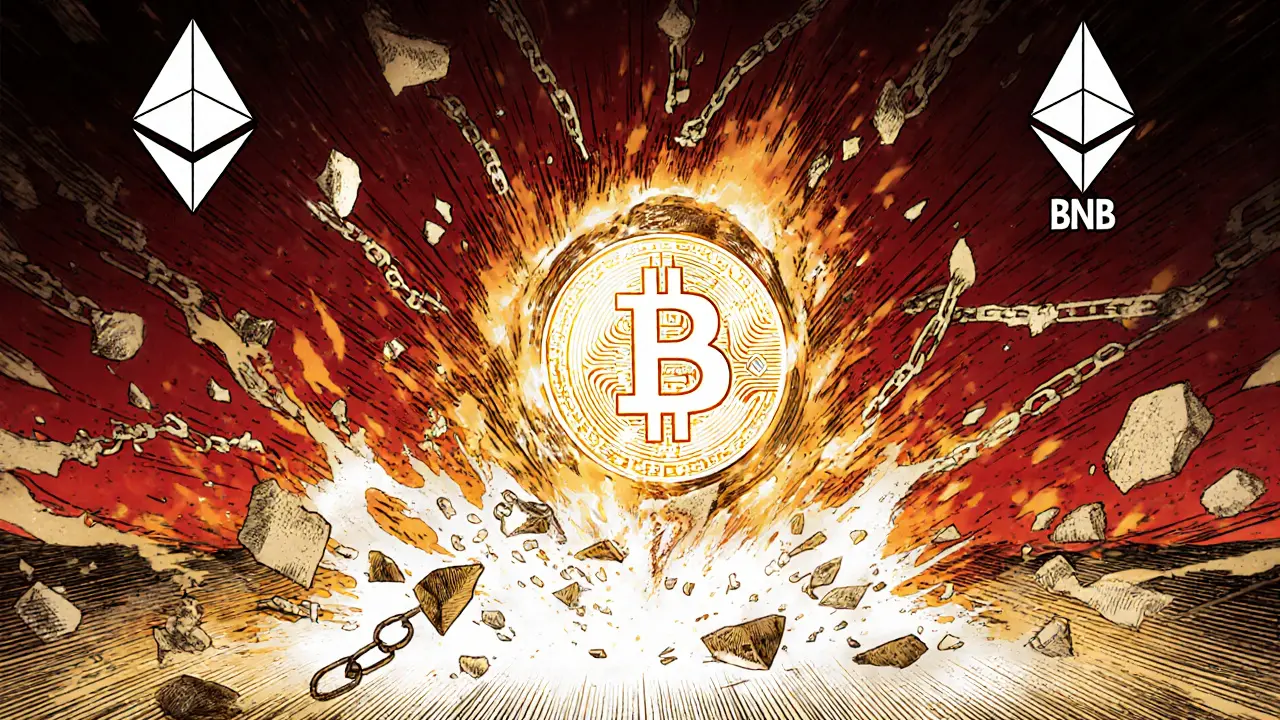
What Is Token Burning in Cryptocurrency? How It Works and Why It Matters
Token burning in cryptocurrency permanently removes tokens from circulation to reduce supply and potentially increase value. Learn how it works, why projects do it, and whether it actually impacts prices.