Play-to-Earn Gaming: How Crypto Rewards Are Changing Gaming in 2025
When you hear play-to-earn gaming, a model where players earn cryptocurrency or NFTs by playing video games. Also known as crypto gaming, it promises real rewards for time spent—no more just grinding for virtual loot that’s worth nothing outside the game. This isn’t just about fun anymore. It’s about turning hours spent on your phone or PC into actual value you can hold, trade, or cash out.
But not all play-to-earn games are created equal. Some, like the GMEE airdrop, a mobile game that once rewarded users with its native token for completing tasks, gave players real tokens before the project faded. Others, like WATCoin airdrop, a newer Telegram-based game that lets you earn points by playing mini-games, are trying to fix the mistakes of the past by focusing on real engagement instead of hype. Then there are the scams—fake airdrops pretending to be from Zenith Coin, a token with no active project since 2020—that lure you into giving away your private keys. The line between real opportunity and fraud is thin, and most players don’t know how to tell the difference.
What makes play-to-earn work isn’t just the promise of money. It’s the design. Games that reward daily logins, skill-based challenges, or community contributions tend to last. Games that hand out tokens just for signing up? They collapse fast. You’ll find both kinds in the posts below. Some explain why big names like play-to-earn gaming projects failed. Others show you how to spot the ones still alive—and how to actually earn from them without getting scammed. You’ll see what happened after the TopGoal NFT airdrop, why CKN claims are fake, and how airdrops like WATCoin are trying to do it right this time. No fluff. No hype. Just what’s real, what’s dead, and what’s still worth your time in 2025.
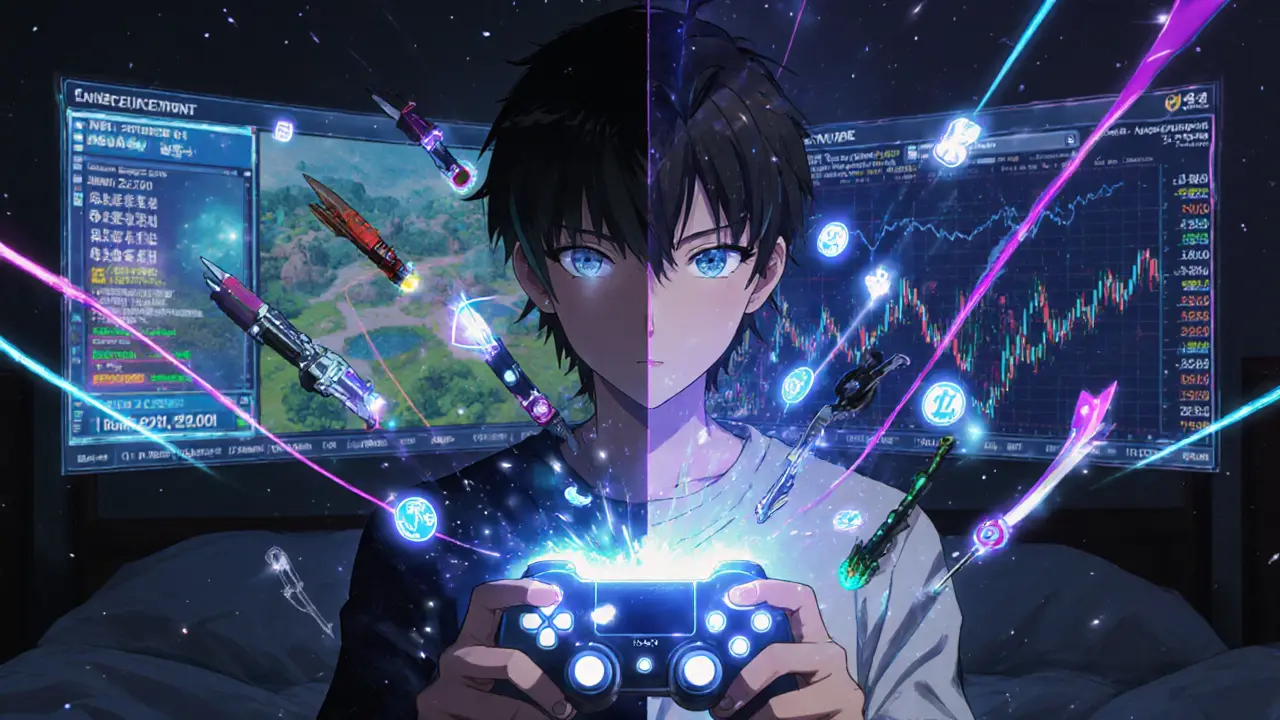
Play-to-Earn vs Traditional Gaming: What Really Matters in 2025
Play-to-earn games promise real money for playing, but in 2025, the landscape has shifted. Learn how Web3 gaming differs from traditional games, who benefits, and whether it's worth your time.