AtomicDEX Crypto Exchange Review: The Truth About Komodo's Non-Custodial DEX
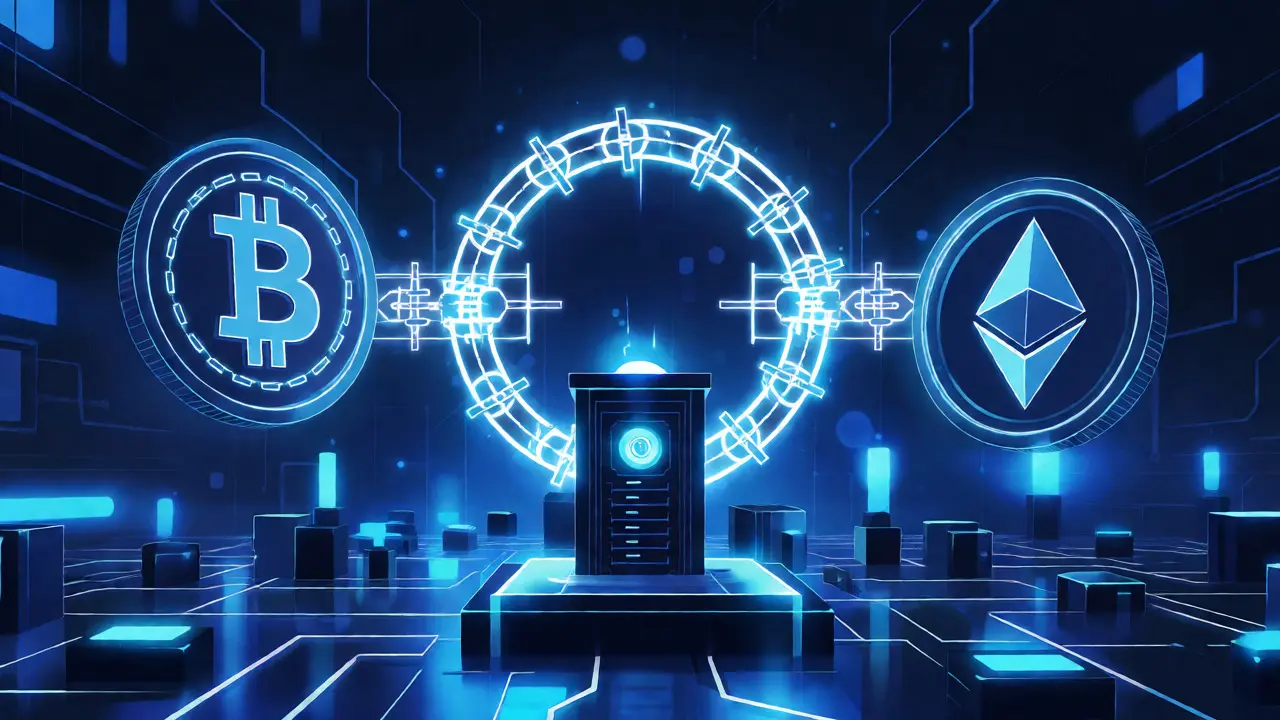
Imagine swapping Bitcoin for Ethereum without ever handing your coins to a third party. No KYC forms, no withdrawal freezes, and no risk of the exchange going bankrupt overnight. That is the promise of AtomicDEX, a decentralized exchange and multi-coin wallet developed by the Komodo Platform team. But does it actually deliver on that promise in 2026, or is it just another niche tool for crypto nerds? If you are tired of centralized exchanges holding your keys hostage, this review breaks down exactly what AtomicDEX offers, where it falls short, and whether it belongs in your portfolio.
What Exactly Is AtomicDEX?
AtomicDEX is a non-custodial, cross-chain decentralized exchange (DEX) that allows users to trade cryptocurrencies directly from their wallets using atomic swaps. Unlike most modern DEXes that rely on liquidity pools, AtomicDEX uses a peer-to-peer order book model. This means you are trading directly with other humans, not against a smart contract pool. The technology behind it is built on hash-time-locked contracts (HTLCs), which ensure that either both sides of the trade complete successfully, or both parties get their money back. There is no middleman taking a cut of your principal, only a small fee if you take an existing order.
The project has evolved significantly since its inception. Originally launched as BarterDEX, it was rebranded to AtomicDEX to better reflect its core functionality. In recent years, the main desktop application has been marketed under the name "Komodo Wallet," though the underlying engine remains AtomicDEX. It supports a wide range of assets, including Bitcoin, Ethereum, ERC-20 tokens, and numerous altcoins across different blockchains. The key differentiator here is true cross-chain capability. You aren't bridging tokens via a wrapped version; you are swapping native BTC for native ETH, keeping full control of your private keys throughout the process.
How Atomic Swaps Actually Work
If you have never used an atomic swap before, the concept might sound complex, but the user experience is surprisingly straightforward. When you place an order on AtomicDEX, you are broadcasting a request to a network of peers. These peers see your offer and can choose to fill it. Once matched, the software creates two time-locked transactions on the respective blockchains.
- Deposit: Both parties lock their funds in a temporary address controlled by the HTLC script.
- Claim: One party reveals a secret hash to claim the other's funds.
- Refund: If the secret isn't revealed within a set timeframe, the funds automatically return to the original owners.
This mechanism eliminates counterparty risk. You don't need to trust the person on the other side of the trade because the code enforces the deal. However, this security comes at a cost: speed. Because the swap relies on blockchain confirmations on both chains, trades typically take between 15 to 20 minutes to complete. This is vastly slower than centralized exchanges like Binance or Coinbase, where execution is nearly instant. For long-term holders who prioritize security over speed, this delay is often acceptable. For day traders, it’s a dealbreaker.
Fees and Costs: What Do You Pay?
One of the biggest selling points of AtomicDEX is its fee structure. Most centralized exchanges charge around 0.1% to 0.2% per trade, often applying fees to both makers and takers. AtomicDEX flips this model. Makers-those who place limit orders waiting to be filled-pay zero platform fees. Takers-those who click on an existing order to buy or sell immediately-pay a flat 0.15% fee.
| Feature | AtomicDEX | Typical CEX (e.g., Binance) |
|---|---|---|
| Maker Fee | 0% | ~0.10% |
| Taker Fee | 0.15% | ~0.10% |
| Custody Risk | None (Non-custodial) | High (Exchange holds keys) |
| KYC Required | No | Yes (usually) |
It is crucial to remember that these are platform fees only. You still pay standard network transaction fees (gas fees) on both blockchains involved in the swap. During periods of high congestion on Ethereum or Bitcoin, these network costs can sometimes exceed the platform fee itself. Always check current gas prices before initiating a large swap. Additionally, because there are no deposit or withdrawal fees to an external wallet, you save money if you plan to hold assets in AtomicDEX long-term rather than moving them in and out constantly.
User Experience: Desktop vs. Mobile
The user experience varies significantly depending on which device you use. The desktop version, available for Windows, macOS, and Linux, is generally considered more stable and feature-rich. It integrates seamlessly with local nodes or Electrum servers, giving advanced users granular control over how they connect to the blockchain. The interface is clean, separating the wallet view from the DEX order book. Creating a wallet is simple: you generate a seed phrase, set a password, and you are ready to go.
The mobile experience, however, has historically been rougher. The Android and iOS apps, often listed as "Komodo Mobile Crypto Wallet" in app stores, have faced criticism for stability issues. Recent reviews indicate that while the wallet function for storing coins works fine, the DEX features can crash or fail to sync properly. A rating hovering around 3.8 stars on Google Play reflects this mixed sentiment. Users report that while the UI is intuitive, performing actual swaps on mobile can be frustrating compared to the desktop client. If you are serious about trading on AtomicDEX, sticking to the desktop application is highly recommended.
Liquidity: The Elephant in the Room
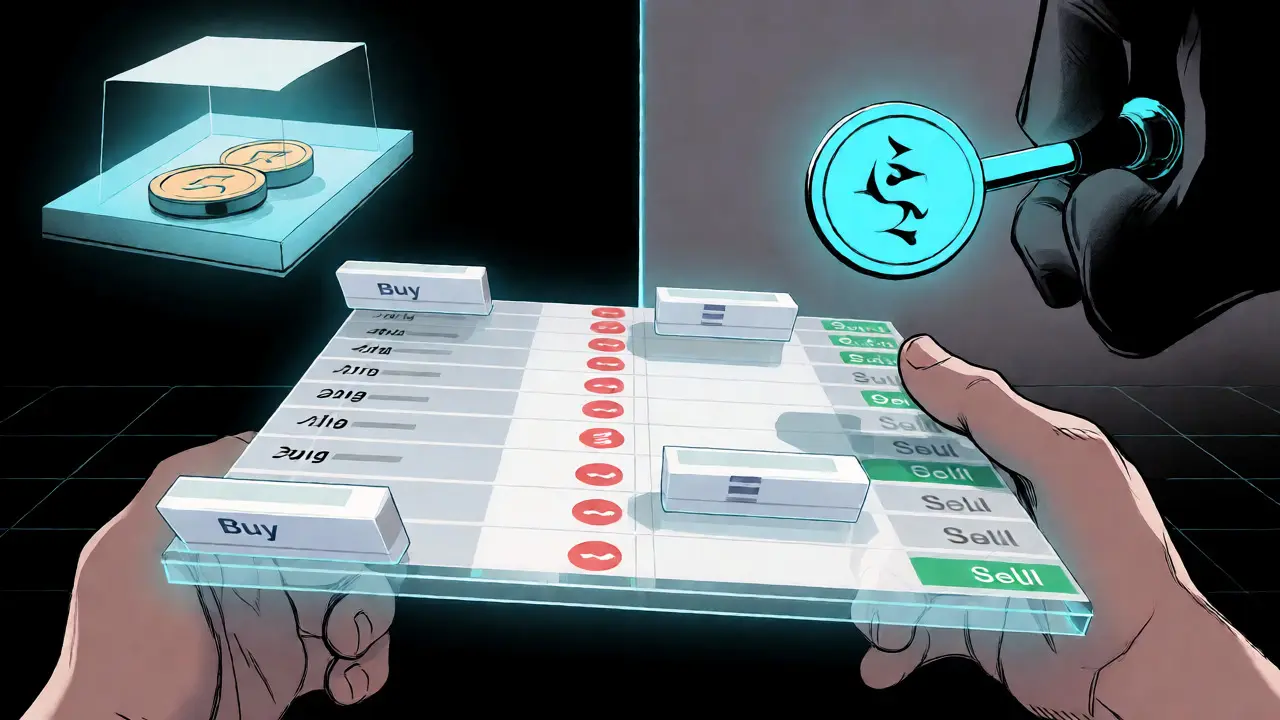
Here is the hard truth: AtomicDEX suffers from low liquidity compared to major competitors. Because it relies on a peer-to-peer order book rather than automated market maker (AMM) pools, there must be a live counterparty willing to take the other side of your trade. For popular pairs like BTC/KMD or ETH/KMD, you will likely find orders quickly. But if you are trying to swap obscure altcoins, you might wait hours-or even days-for someone to match your price.
To combat this, the Komodo community runs "maker bots." These are automated scripts placed by enthusiasts and developers to provide baseline liquidity. While helpful, they don't solve the depth-of-market issue for large trades. If you try to move $50,000 worth of Bitcoin into an illiquid altcoin, you might end up paying a significant spread because the order book is thin. This makes AtomicDEX ideal for smaller retail trades and privacy-focused swaps, but less suitable for institutional-scale volume.

Security and Trustlessness
Security is AtomicDEX's strongest suit. Since it is non-custodial, your private keys never leave your device. There is no central server holding your funds that could be hacked. The codebase is open-source, allowing anyone to audit the mm2 API engine. The Komodo team has also engaged in internal security reviews and prepared documentation for external audits, although a comprehensive public audit report from a top-tier firm like Trail of Bits hasn't been prominently featured in all marketing materials as of late 2026.
However, "trustless" doesn't mean "risk-free." You are responsible for backing up your seed phrase. If you lose it, your funds are gone forever. Also, while the swap logic is secure, you are interacting with remote Electrum servers or full nodes. If you run a full node locally, you maximize privacy and decentralization. Relying on default Electrum servers introduces a slight trust assumption regarding data availability, though not custody.
Who Should Use AtomicDEX?
AtomicDEX isn't for everyone. It shines for specific types of users:
- Privacy Advocates: If you hate KYC and want to trade without revealing your identity, this is one of the few options left that supports cross-chain swaps without a centralized intermediary.
- Long-Term Holders: If you are swapping assets to hold for months or years, the 15-minute swap time is irrelevant.
- Altcoin Enthusiasts: If you trade smaller cap coins that aren't listed on major CEXes, AtomicDEX often provides access to markets you can't find elsewhere.
Conversely, skip AtomicDEX if you are a high-frequency trader, require deep liquidity for large positions, or need advanced DeFi features like lending and yield farming directly within the interface. It is a specialized tool, not a general-purpose trading hub.
Is AtomicDEX safe to use?
Yes, AtomicDEX is considered safe because it is non-custodial. Your private keys remain on your device, and atomic swaps ensure that funds are either exchanged completely or refunded. However, you must securely store your seed phrase, as losing it means losing access to your funds permanently.
Does AtomicDEX require KYC verification?
No, AtomicDEX does not require Know Your Customer (KYC) verification. Since it is a decentralized exchange operating on a peer-to-peer basis, you can create a wallet and start trading immediately without providing personal identification documents.
How long do atomic swaps take to complete?
Swaps typically take between 15 to 20 minutes. This duration depends on the confirmation times of the two blockchains involved in the trade. Unlike centralized exchanges, you cannot execute instant trades because the system waits for on-chain confirmations to ensure security.
Can I use AtomicDEX on my phone?
Yes, there are mobile apps for Android and iOS. However, user feedback suggests the mobile experience is less stable than the desktop version. While the wallet functions well for storage, the DEX trading features may encounter bugs or crashes, so the desktop app is recommended for active trading.
What cryptocurrencies are supported?
AtomicDEX supports a wide variety of assets, including Bitcoin, Ethereum, ERC-20 tokens, Litecoin, Dogecoin, and many others. The theoretical support covers over 95% of UTXO-based and HTLC-compatible coins, though the number of actively integrated assets in the GUI may vary based on updates.