BitcoinAsset X (BTA) Airdrop: Is It Legit or a Scam? Full Guide
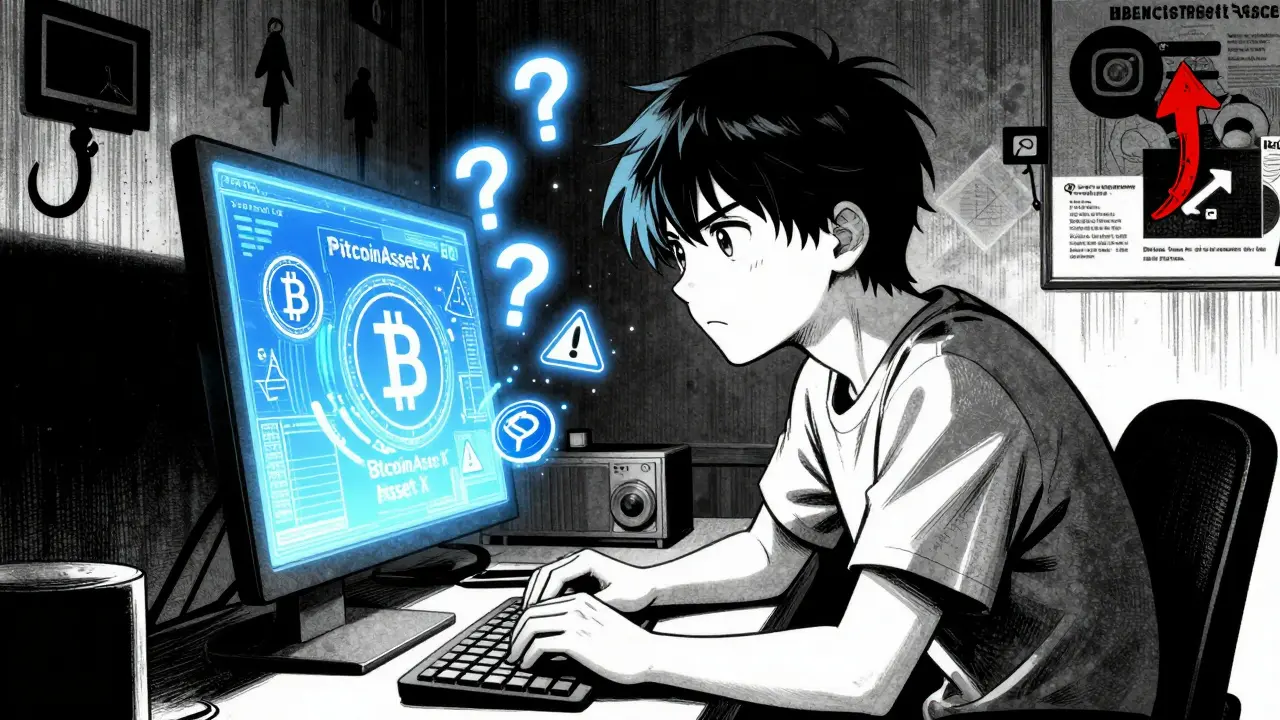
You’ve seen the tweets. You’ve checked your spam folder. The promise is simple: connect your wallet to claim free BitcoinAsset X tokens from an official CoinMarketCap partnership. But before you click that link, stop. In the world of cryptocurrency, if it sounds too good to be true, it almost certainly is. This guide cuts through the noise to tell you exactly what the BitcoinAsset X (BTA) situation is, why it’s likely a trap, and how to protect your digital assets.
The specific project known as "BitcoinAsset X" or associated with the tag "Bitcoin Asset [OLD]" has no verifiable presence on legitimate blockchain explorers or trusted data aggregators like CoinMarketCap. When a token claims an affiliation with major platforms but lacks transparent documentation, it raises immediate red flags for investors and security experts alike.
What Is the BitcoinAsset X (BTA) Token?
To understand the risk, we first need to define what this token actually is-or rather, what it isn’t. There is no widely recognized, legitimate cryptocurrency named BitcoinAsset X that holds significant market cap or trading volume on reputable exchanges. The ticker symbol BTA is often used by various small-cap projects, but in this context, it appears to be part of a deceptive marketing campaign.
Scammers frequently create fake tokens with names that sound similar to established brands. By combining "Bitcoin" with generic terms like "Asset" or "X," they hope to trick users into thinking they are interacting with a secure, high-value project. These tokens usually have zero liquidity, meaning even if you manage to claim them, you cannot sell them for real money.
| Feature | Legitimate Project | Suspicious Project (e.g., BTA) |
|---|---|---|
| Website Domain | Verified HTTPS, clear team info | Newly registered domain, typosquatting |
| Social Media | Active community, verified badges | Bots, copy-pasted comments, no verification |
| Token Contract | Audited code, public repository | Hidden developer address, unaudited |
| Listings | CoinMarketCap, CoinGecko (verified) | Unlisted or fake listings |
The CoinMarketCap Connection: Fact or Fiction?
One of the most common tactics used in these scams is the false association with CoinMarketCap. CoinMarketCap is a leading platform for tracking cryptocurrency prices and market data. However, they do not typically host direct airdrops for obscure tokens. While CoinMarketCap does have an educational section about airdrops, they rarely endorse specific, unproven projects directly through their main interface.
If a website claims to be an "official CoinMarketCap partner" distributing BTA tokens, verify this claim immediately. Go directly to coinmarketcap.com and search for the token. If it doesn’t appear in the top results or lacks a "Verified" badge, the claim is likely fabricated. Scammers use logos and branding from trusted sites to lower your guard. They want you to believe that because CoinMarketCap is involved, the project is safe. This is a psychological trick, not a financial guarantee.
In 2020, CoinMarketCap did feature educational content about airdrops, citing examples like the 1inch network distribution. That was a legitimate event where users who had interacted with decentralized exchanges received tokens. Contrast this with the current BTA hype: there is no historical transaction data, no whitepaper, and no clear utility for the token. The absence of these fundamental elements is a critical warning sign.
How the BitcoinAsset X Scam Works
Understanding the mechanics of the scam helps you recognize it before you lose funds. Most airdrop scams follow a predictable pattern:
- The Hook: You see an ad or social media post claiming free BTA tokens. The message creates urgency: "Claim now before supply runs out!"
- The Landing Page: You are directed to a website that looks professional but uses a URL slightly different from the official brand (e.g., bitcoinasset-x-airdrop.com instead of a verified domain).
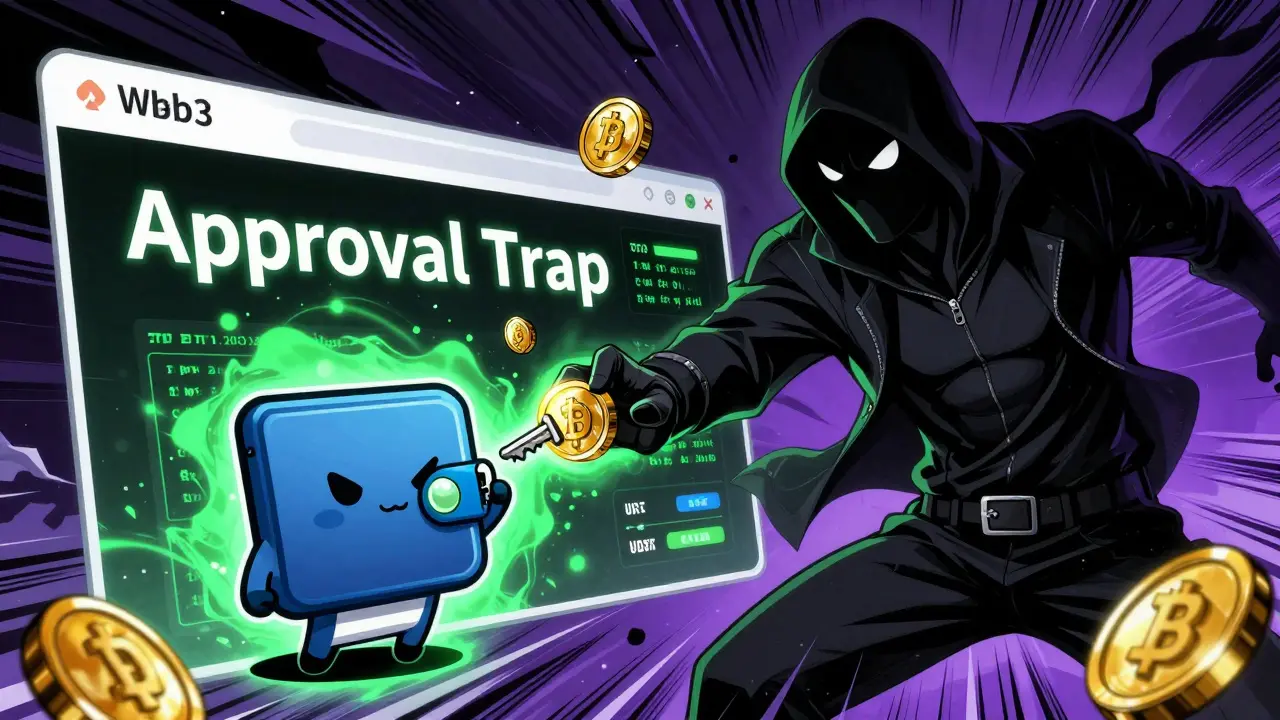
- The Connection Request: To claim the tokens, you must connect your Web3 wallet (like MetaMask or Trust Wallet). The site asks for permission to view your balance or interact with contracts.
- The Approval Trap: Once connected, the site may ask you to approve a transaction. This approval might allow the scammers to drain your existing assets, such as ETH, USDT, or other valuable tokens, under the guise of a "gas fee" or "verification step."
- The Disappearance: After the transaction, either nothing happens, or you receive worthless tokens that cannot be traded. The website may go offline shortly after.
The key danger here is not just losing the time spent clicking buttons; it is the potential loss of your entire wallet contents. Smart contract approvals can be irreversible. Once you sign a malicious contract, the hackers have access to your funds until you revoke that permission-a process many users don't know how to perform quickly enough.
Red Flags to Watch For
Before engaging with any airdrop, run it through this checklist. If any of these points apply, walk away immediately.
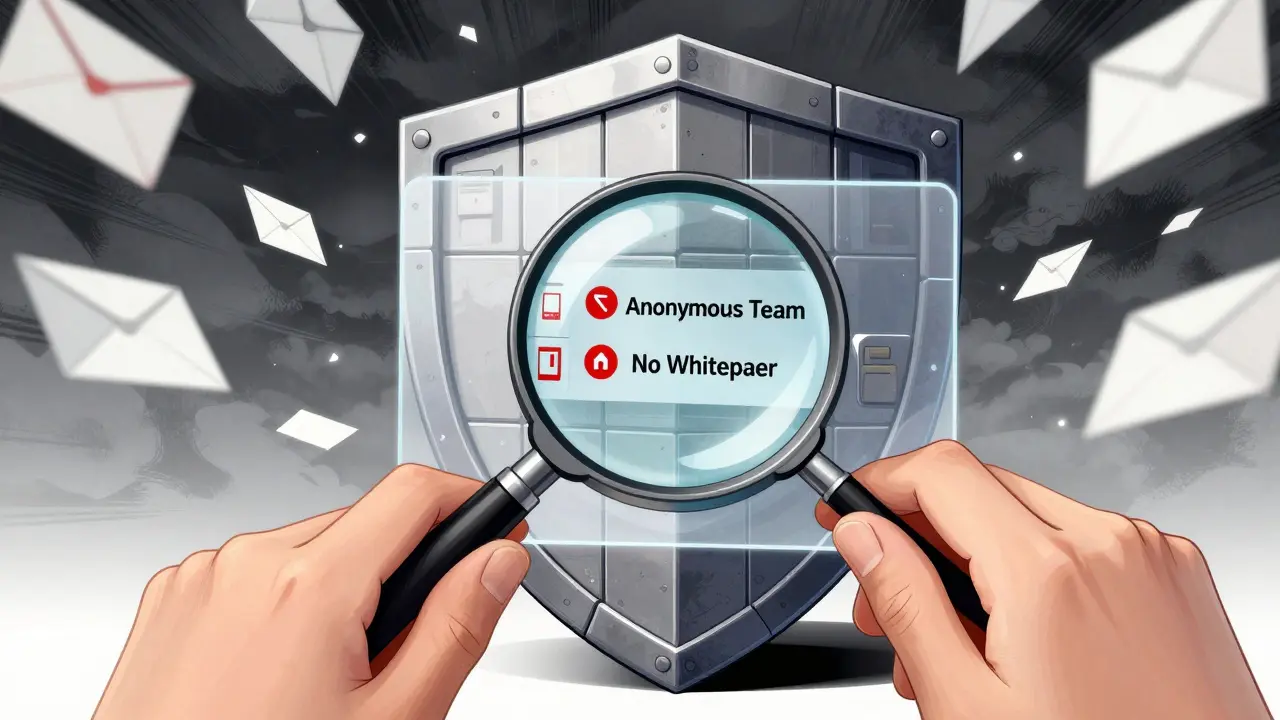
- No Whitepaper: Legitimate projects publish detailed documents explaining their technology, team, and roadmap. If the only information is a one-page website promising free money, it’s a scam.
- Anonymity: Who is behind BitcoinAsset X? If the team members are anonymous or use stock photos, trust levels should drop to zero.
- Pressure Tactics: Phrases like "Limited spots available" or "Ends in 24 hours" are designed to bypass your logical thinking. Real projects take months to plan and execute distributions.
- Poor Grammar and Design: While some scams look polished, many still contain spelling errors or broken links. Check the footer of the website for copyright dates and legal disclaimers.
- Unusual Tokenomics: If the total supply is astronomical (e.g., quadrillions of tokens) and the circulating supply is near zero, the value per token will be negligible.
How to Verify Airdrop Legitimacy
Not all airdrops are scams. Projects like Uniswap, Arbitrum, and LayerZero have distributed billions of dollars in value to early users. The difference lies in transparency. Here is how you can verify if an opportunity is real:
First, check the token contract address on a blockchain explorer like Etherscan or BscScan. Look at the holder distribution. If one or two wallets hold more than 50% of the supply, the developers can dump the tokens on you at any moment. This is known as a "rug pull."
Second, search for independent reviews. Do not rely on YouTube videos or Twitter posts linked from the project itself. Search for "BitcoinAsset X scam" or "BTA review" on forums like Reddit or Bitcointalk. Real users will share their experiences, including negative ones.
Third, ensure the project has a presence on multiple platforms. A legitimate ecosystem includes a GitHub repository for code, a Discord server for community support, and a Telegram group for announcements. If these channels are empty or filled with bots repeating the same phrases, avoid the project.
Protecting Your Wallet
Even if you decide to explore risky opportunities, never use your primary wallet. Create a separate "burner" wallet with minimal funds. This way, if a smart contract exploits your connection, your main savings remain untouched.
Additionally, regularly revoke unused approvals. Tools like Revoke.cash allow you to scan your wallet history and disconnect permissions granted to suspicious dApps. This simple step can prevent unauthorized transactions even if you accidentally approved a malicious contract in the past.
Remember, in cryptocurrency, you are your own bank. There is no customer service line to call when funds are stolen. Prevention is the only effective defense.
Conclusion: Stay Safe and Skeptical
The BitcoinAsset X (BTA) airdrop appears to be a classic example of a phishing scheme designed to exploit hope and greed. Without verifiable ties to CoinMarketCap or any credible blockchain infrastructure, participating in this distribution poses unnecessary risks. Focus on building wealth through education and verified investment strategies rather than chasing free tokens from unknown sources.
As the crypto landscape evolves, so do the tactics of bad actors. By staying informed and skeptical, you protect not only your assets but also your peace of mind. Always prioritize security over shortcuts.
Is BitcoinAsset X (BTA) listed on CoinMarketCap?
There is no verified listing for a token specifically called "BitcoinAsset X" with the ticker BTA on CoinMarketCap. Be cautious of websites claiming otherwise, as they may be using fake screenshots or misleading information.
Can I get rich quick with the BTA airdrop?
It is highly unlikely. Most airdrops involving unknown tokens have little to no value. Even if you receive tokens, they may not be tradable on any exchange, rendering them worthless.
What should I do if I already connected my wallet to the BTA site?
Immediately move any remaining funds from that wallet to a new, secure wallet. Then, use a tool like Revoke.cash to check and revoke any pending approvals or permissions granted to the suspicious site.
Are all CoinMarketCap airdrops scams?
No, CoinMarketCap features educational content about legitimate airdrops. However, they do not host direct airdrops for every project. Always verify the source and check for official announcements from the project team.
How can I identify a fake crypto token?
Look for missing whitepapers, anonymous teams, lack of social media engagement, and unverifiable contract addresses. If a project promises guaranteed returns or free money without clear utility, it is likely a scam.