CoinEgg Review 2026: Defunct Exchange and Current Scam Warning
If you are looking to deposit money into CoinEgg is a cryptocurrency exchange platform that ceased legitimate operations in early 2020 and is now exclusively associated with sophisticated fraud schemes, stop immediately. The original CoinEgg exchange no longer exists. Any website claiming to be CoinEgg today is a scam designed to steal your funds. This review clarifies the history of the real platform, explains why it collapsed, and details the dangerous impersonation attacks currently targeting users under its name.
The Quick Truth: Is CoinEgg Safe?
No. The legitimate CoinEgg exchange shut down between late 2019 and early 2020. Today, any domain using the CoinEgg brand is a fraudulent operation. Cybersecurity firms like TechForing and DataVisor have flagged these sites as part of "pig-butchering" scams. These scammers build fake trust, promise high returns, and then lock your account after you deposit significant amounts. Do not send any cryptocurrency to these addresses.
Key Takeaways
- CoinEgg is defunct: The original exchange stopped operating in Q1 2020.
- Current sites are scams: All active "CoinEgg" domains are fraudulent clones.
- Pig-butchering tactic: Scammers use fake interfaces and demand "verification fees" to steal funds.
- No recovery: Funds sent to these scams are likely unrecoverable.
- Report incidents: Contact local cybercrime units or IC3.gov if you have been targeted.
History of the Legitimate CoinEgg Exchange
To understand the danger, we must first look at what the real CoinEgg was. Founded in 2017 by an anonymous team operating through a Seychelles-based entity, CoinEgg launched as a low-fee alternative to giants like Binance and Huobi. It targeted global retail traders who wanted simple access to altcoins.
In its peak year of 2018, CoinEgg processed approximately $15.7 million in daily trading volume. It supported 158 cryptocurrencies, including Bitcoin (BTC), Ethereum (ETH), and Tether (USDT). The platform claimed to store 95% of user assets in cold storage and used SHA-256 encryption for data transmission. However, these security claims were never independently verified by major auditors.
The exchange operated without regulatory licenses from major jurisdictions like the FCA, SEC, or MAS. It also lacked robust Know Your Customer (KYC) protocols, relying only on basic email verification. This lack of compliance made it attractive to bad actors but risky for honest investors. By November 2019, Wayback Machine archives show the platform’s functionality deteriorating, and the domain expired in February 2020.
Why the Original CoinEgg Failed
The collapse of the legitimate CoinEgg was driven by three critical failures: poor security, lack of regulation, and inadequate liquidity.
Security Breaches: In 2018, CoinEgg suffered a significant hack where 1,270 ETH (worth $486,000 at the time) was stolen from hot wallets. This incident highlighted the platform’s centralized architecture and single-point-of-failure vulnerabilities. Unlike top-tier exchanges that maintain proof of reserves, CoinEgg offered no insurance for user funds.
Regulatory Non-Compliance: As global Anti-Money Laundering (AML) standards tightened, unlicensed exchanges faced increasing pressure. Chainalysis’ 2020 Illicit Activity Report identified CoinEgg as a conduit for darknet market funds, with 18.7% of its 2019 volume linked to sanctioned addresses. This association accelerated its decline.
Liquidity Issues: CoinEgg’s liquidity depth was 87% lower than top 10 exchanges. This caused significant slippage; a $5,000 trade could result in a 1.2% loss due to price impact. Users complained about slow withdrawal processing times, averaging 16.3 days per ticket, and frequent crashes on mobile apps.
The Current CoinEgg Scam: Pig-Butchering Fraud
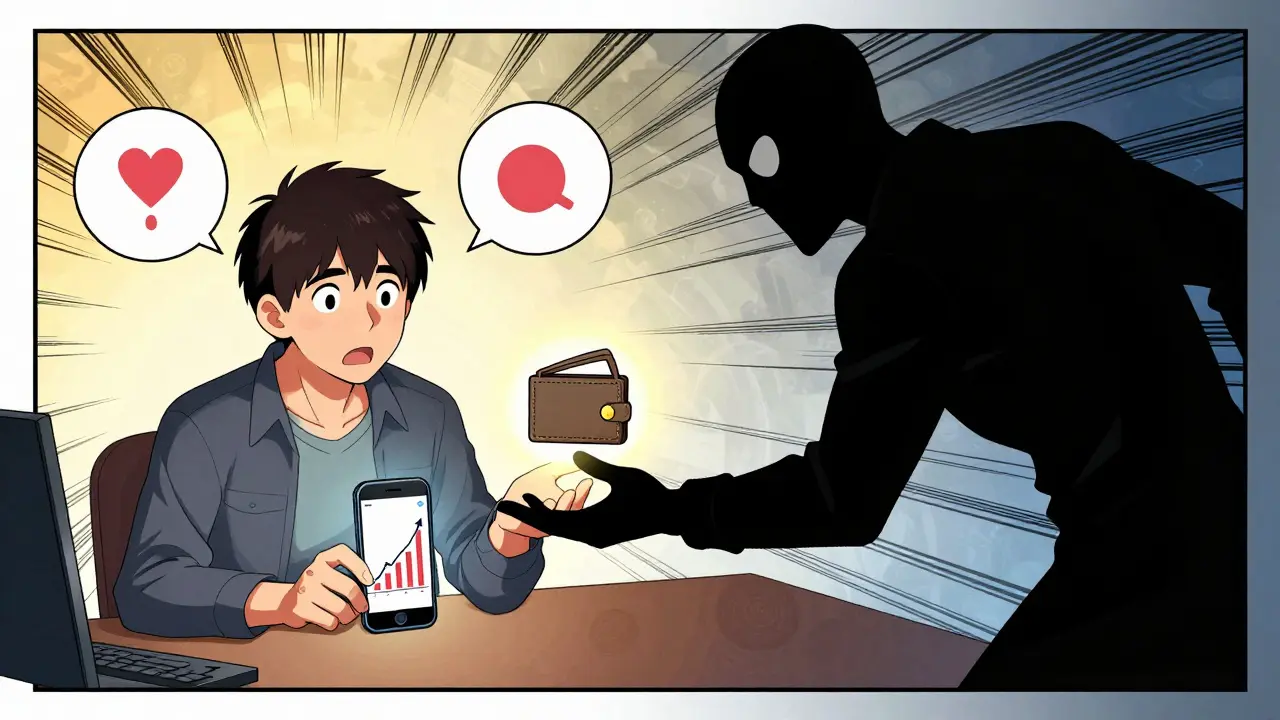
Today, the CoinEgg name is hijacked by sophisticated criminals. These are not just phishing sites; they are complex social engineering campaigns known as "pig-butchering." Here is how the scam works:
- Grooming: Scammers contact victims via social media, dating apps, or Telegram. They build a relationship over weeks or months, gaining trust.
- The Pitch: They introduce "CoinEgg" as a exclusive investment platform with guaranteed high returns. They may show fake profit screenshots to encourage small initial deposits.
- The Trap: Once the victim deposits a larger amount (often $5,000+), the scammer claims there is an issue withdrawing funds.
- The Extortion: Victims are told they must pay a "verification tax," "tax fee," or "upgrade fee" to unlock their money. These fees can range from 10% to 15% of the deposit.
- The Disappearance: After paying the fee, the account is suspended, or the site goes offline. The scammers disappear with all funds.
DataVisor’s 2024 Crypto Fraud Report confirms that 17 active domains impersonate CoinEgg, including ceggcc.vip and coinegg-pro.com. These sites use identical templates and tactics. InvestorWarnings.com documented 214 victims losing $1.8 million to this specific ruse in Q1 2024 alone.
Comparison: Legitimate Exchanges vs. CoinEgg Scams
| Feature | Legitimate Exchange (e.g., Binance) | CoinEgg Scam Sites |
|---|---|---|
| Regulation | Licensed in multiple jurisdictions (FCA, ASIC, etc.) | No license; often registered in obscure offshore entities |
| Proof of Reserves | Audited by third-party firms (e.g., Deloitte) | Fake audit reports or none at all |
| Withdrawal Process | Standard KYC/AML checks; clear fees | Demand for extra "taxes" or "fees" before release |
| Customer Support | Responsive via live chat/ticket systems | Unresponsive or uses scripted delays |
| Domain Age | Established domains (years old) | Newly registered domains (months old) |
How to Identify and Avoid Crypto Scams
Protecting yourself requires vigilance. Here are practical steps to ensure you are not falling for a CoinEgg-style scam:
- Check Domain Registration: Use WHOIS lookup tools. Legitimate exchanges have domains registered for years. Scam sites often register new domains every few months.
- Verify Regulatory Status: Check if the exchange is listed on government regulator websites (e.g., FCA, SEC, MAS). If they claim to be regulated but cannot provide a license number, they are lying.
- Beware of Unsolicited Contacts: Legitimate exchanges do not recruit traders via WhatsApp, Telegram, or dating apps. If someone messages you first about investing, block them.
- No "Guaranteed Returns": Crypto markets are volatile. Anyone promising fixed high returns is running a Ponzi scheme or scam.
- Never Pay Withdrawal Fees: Legitimate exchanges deduct fees from your balance. They never ask you to send additional crypto to "unlock" your funds.
What To Do If You Have Been Scammed
If you have deposited funds into a fake CoinEgg site, act quickly. While recovery is difficult, reporting the crime helps authorities track the criminals.
- Stop Communication: Cease all contact with the scammers. Do not send more money, even if they promise it will work.
- Gather Evidence: Save screenshots of chats, transaction hashes, wallet addresses, and URLs. These are crucial for forensic tracing.
- Report to Authorities: File a report with your local cybercrime unit. In the US, report to IC3.gov. In New Zealand, report to Police NZ. Provide all transaction details.
- Contact Your Bank: If you used a bank transfer or credit card, notify your financial institution immediately. They may be able to reverse the transaction or freeze accounts.
- Warn Others: Share your experience on platforms like Reddit or Trustpilot to prevent others from falling victim.
Safe Alternatives to CoinEgg
Since CoinEgg is defunct, you need a secure, regulated exchange. Here are reputable alternatives:
- Binance: The largest exchange by volume, offering deep liquidity and extensive coin support. Regulated in many jurisdictions.
- Coinbase: Highly compliant with US regulations, ideal for beginners. Offers insured custody solutions.
- Kraken: Known for strong security practices and transparent proof of reserves audits.
- KuCoin: Good for altcoin discovery, though users should verify regional availability and compliance.
Always prioritize platforms that publish regular proof of reserves, have a long operational history, and are licensed in major financial centers.
Is CoinEgg still operating in 2026?
No. The legitimate CoinEgg exchange ceased operations in early 2020. Any website using the CoinEgg name today is a fraudulent scam.
How do I know if a CoinEgg site is a scam?
If the site asks for extra fees to withdraw funds, contacts you via social media, or has a newly registered domain, it is a scam. Legitimate exchanges do not operate this way.
Can I recover my money from a CoinEgg scam?
Recovery is unlikely once funds are sent to a crypto wallet. However, you should report the crime to IC3.gov or local police to help trace the perpetrators.
What happened to the original CoinEgg exchange?
The original exchange failed due to security breaches, lack of regulatory compliance, and poor liquidity. It shut down in 2020 as regulators cracked down on unlicensed platforms.
Are there any safe alternatives to CoinEgg?
Yes. Reputable alternatives include Binance, Coinbase, Kraken, and KuCoin. These platforms are regulated, audited, and have proven track records.
What is a pig-butchering scam?
A pig-butchering scam is a form of investment fraud where criminals build a romantic or friendly relationship with victims over time to gain trust, then lure them into fake investment platforms to steal their money.

Shelby Cantu
May 5, 2026 AT 10:14thanks for the heads up. i was seeing ads for this on instagram and felt something was off.
Tobias Gjerlufsen
May 7, 2026 AT 05:04you people are so stupid for falling for these obvious scams. the article is basic common sense but you still need it spelled out. stop whining about lost money and start using your brain before you click links. its not rocket science to check if a site has been around for five years or not. why do you even bother trading if you cant tell a scam from a legit exchange? its embarrassing really. the whole crypto space is ruined by idiots like you who cant read between the lines. just because someone promises high returns doesnt mean its real. wake up sheeple.
Ruben Michel
May 7, 2026 AT 11:58One must acknowledge that the collapse of CoinEgg was an inevitable consequence of regulatory non-compliance. The platform operated in a grey area that was never sustainable. It is imperative that investors conduct due diligence regarding the jurisdictional licensing of any financial institution they choose to patronize. The lack of KYC protocols was a glaring red flag that should have deterred prudent individuals from engaging with such entities. Furthermore, the absence of third-party audits renders any claim of security utterly void. We must demand higher standards from all platforms operating within the digital asset space. The proliferation of unregulated exchanges poses a significant threat to market integrity.
Gavin Wonnacott
May 7, 2026 AT 22:46i bet you guys feel pretty stupid right now. losing your savings to some script kiddie running a fake website. you probably thought you were smarter than everyone else. well guess what you got played. its funny how these 'investors' always blame the scammers instead of their own greed. you wanted quick money and you got nothing. typical. dont come crying to me when your life falls apart because you trusted a stranger on telegram. get a grip.
Samara McCallum
May 8, 2026 AT 15:12honestly i think the system is broken anyway. why should we trust big exchanges either? they all rug pull eventually. maybe this is just the natural order of things. lets embrace the chaos instead of trying to fix it. its kind of beautiful in a twisted way how everyone gets burned equally. no more winners or losers just pain. sounds like a philosophy class to me lol.
Sudarshan Anbazhagan
May 9, 2026 AT 18:06It is my considered opinion that the failure of CoinEgg serves as a poignant reminder of the inherent vulnerabilities present within decentralized financial structures when coupled with inadequate oversight. The perpetrators of such fraudulent activities exploit the very trust that is essential for the functioning of any economic system. One must reflect upon the ethical implications of participating in markets that lack robust regulatory frameworks. The victims of these schemes are often those who are least equipped to discern the subtle signs of deception. It is crucial that we educate ourselves on the mechanics of pig-butchering scams to prevent further occurrences. The responsibility lies not only with the regulators but also with the individual investor to exercise caution and skepticism. We must strive for a future where transparency is paramount and fraud is eradicated through collective vigilance and informed decision-making.
John Gonzalez Bentham
May 10, 2026 AT 18:58actually most exchanges are scams too just slower ones. binance is just waiting for the right moment to dump on retail traders. kraken is owned by russians who care about freedom? please. kucoin is a front for money laundering. coinbase is a government puppet. there is no safe place in crypto. its all a ponzi scheme designed to steal from the little guy. stop pretending otherwise. you are delusional if you think any of these platforms are legitimate. they all want your money period.
Ellie Riddell
May 10, 2026 AT 23:36look at all these angry people. clearly someone lost money. sad face. but seriously good info here. i always check the domain age first. if its new run away. simple as that. why make it complicated?
Destiny Kilby
May 12, 2026 AT 20:08i am sorry to hear about the losses. it is truly heartbreaking to see people exploited like this. please remember to take care of your mental health during this difficult time. reporting the crime is important but healing is more important. sending love to everyone affected by this terrible situation.