Coins.ph Crypto Exchange Review 2026: Is It Still the Best for Filipinos?
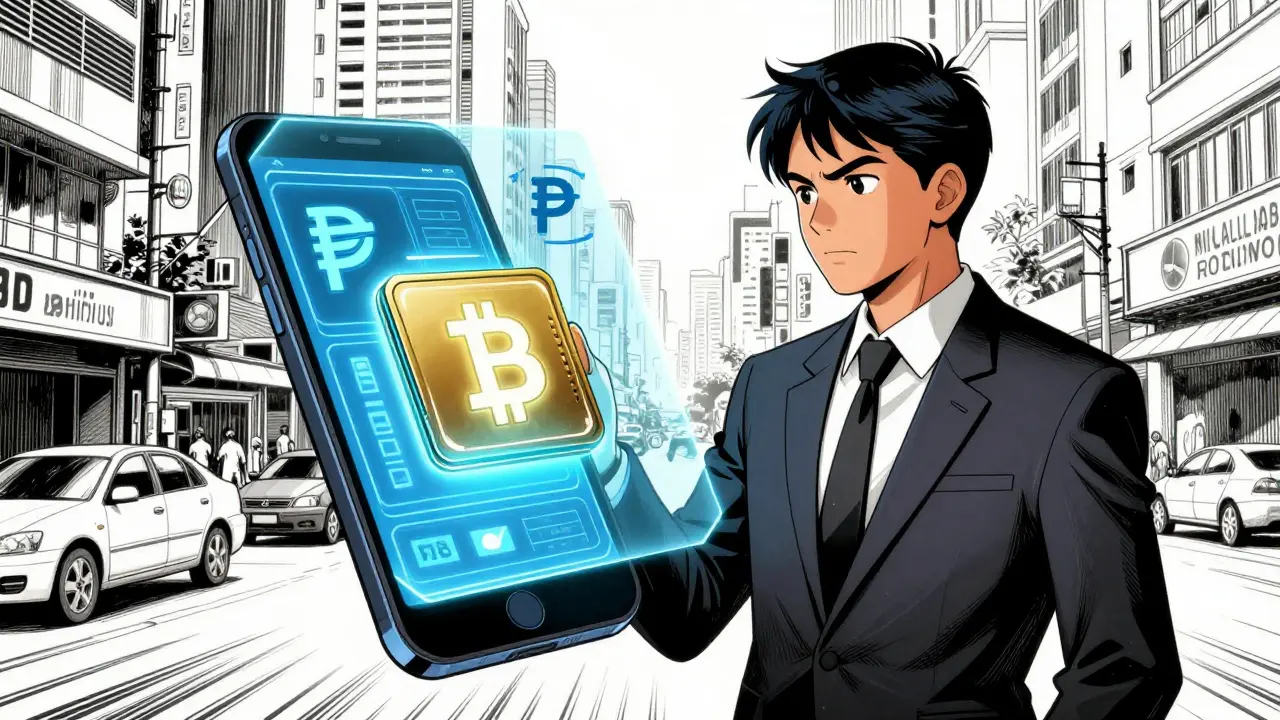
If you're looking to get into crypto in the Philippines, you've probably seen Coins.ph is the country's pioneering cryptocurrency exchange and digital wallet, designed to bridge the gap between traditional finance and digital assets. With over 18 million users, it's a behemoth in the local market. But is it actually the best place to put your money in 2026, or are international giants a better bet? While it offers the peace of mind that comes with a Bangko Sentral ng Pilipinas (BSP) license, recent user feedback suggests a bumpy ride. We're going to break down whether the convenience of paying your electric bill and trading Bitcoin in one app outweighs the technical glitches and fees.
The Basics: What Exactly is Coins.ph?
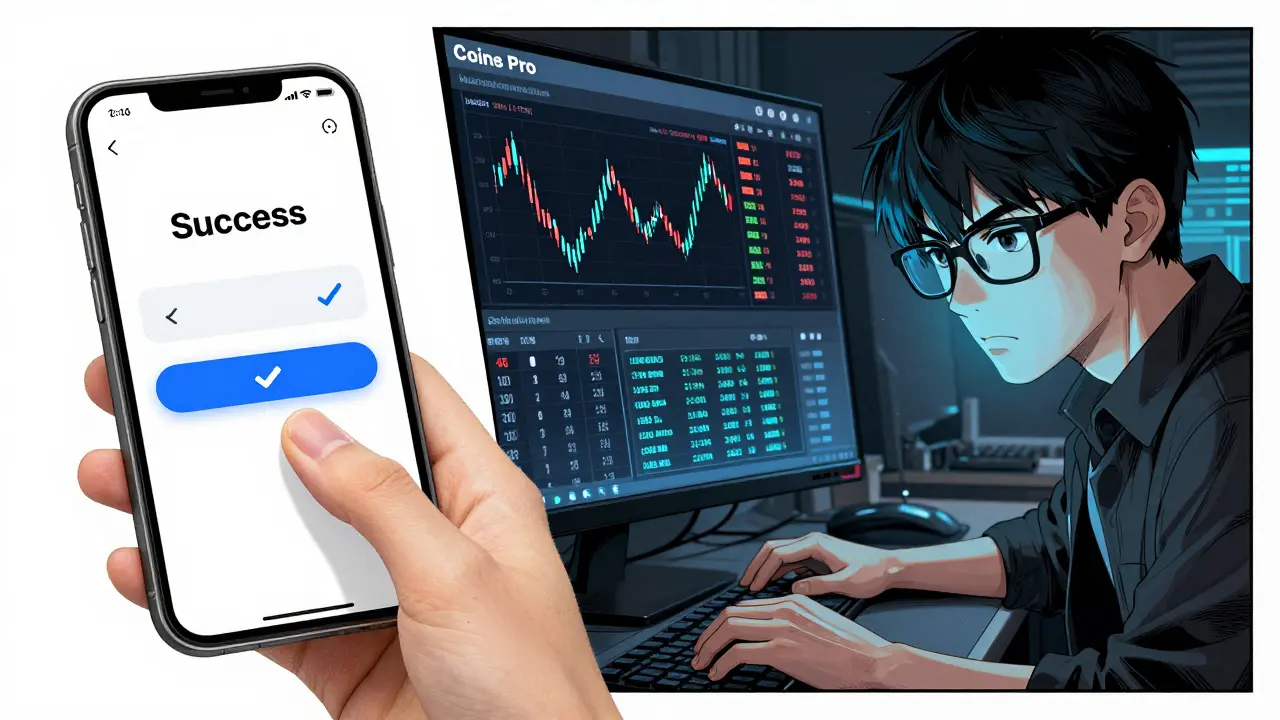
At its core, Coins.ph isn't just a trading platform; it's a financial Swiss Army knife for Filipinos. Launched back in 2014, it has evolved from a simple wallet into a full-scale exchange. For most people, it serves as a gateway to buy their first fraction of Bitcoin using Philippine Pesos (PHP). The platform is split into two experiences: the standard app for casual users who just want to buy, sell, or pay bills, and Coins Pro, which is a dedicated spot trading interface for those who want to use limit orders and track candlesticks.
One of the biggest draws here is the integration. You can use the app to pay over 120 different utilities, buy mobile load, and send money across the country. It essentially turns your crypto portfolio into a functional bank account, which is a huge advantage if you're tired of jumping between five different apps just to manage your monthly expenses.
Trading Options and Asset Variety
When it comes to what you can actually trade, the variety is impressive. The platform supports over 206 coins, with more than 170 available for active trading. You'll find the heavy hitters like Bitcoin (BTC) and Ethereum (ETH), but they also provide stablecoins like USDC and the local PHPC to help users hedge against volatility.
If you're a beginner, the "Coins Convert" feature is your best friend. It's a simple one-click swap. However, if you're trying to time the market, you'll head over to Coins Pro. Here, you can access over 80 PHP pairs and 11 USDT pairs. The minimums are surprisingly low-some pairs only require 60 PHP to get started, making it accessible for students or people just testing the waters with a few pesos.
| Feature | Standard Account (Convert) | Coins Pro (Spot Trading) |
|---|---|---|
| Trading Style | Simple Buy/Sell | Market, Limit, Stop-Limit |
| Minimum Order | Varies (as low as 5 PHP) | PHP 50 - PHP 100 |
| Asset Selection | 170+ Cryptocurrencies | 80+ PHP Pairs / 11 USDT Pairs |
| Leverage | None (1:1) | None (1:1) |
Fees and Cost of Trading
Let's talk numbers, because this is where the "local convenience tax" kicks in. Coins.ph isn't the cheapest option on the planet. Their spot trading fees usually hover between 0.1% and 0.15%. They use a tiered system, meaning if you trade massive volumes over a 30-day period, your rates drop. For the average person, however, you'll be paying the standard rate.
Compared to global giants, the fees are slightly higher, but they are competitive within the Philippines. If you're a "whale"-someone moving millions of pesos-they offer OTC (Over-the-Counter) services for trades starting at PHP 1 million. This allows institutional investors to move large amounts of crypto without causing a massive price swing on the public order book.
Deposits, Withdrawals, and Local Integration
This is where Coins.ph absolutely crushes the competition. While a global exchange might make you jump through hoops to get your money out in Pesos, Coins.ph is baked into the Filipino financial system. You can deposit and withdraw using InstaPay, PESONet, and direct bank transfers. They've also integrated with popular mobile wallets like GCash and Maya.
If you prefer cash, they've partnered with networks like Palawan Pawnshop, Cebuana Lhuillier, and M Lhuillier via Dragonpay. This means someone in a rural province can realistically turn cash into Bitcoin without ever stepping foot in a traditional bank. This level of localization is their "secret sauce" and the primary reason they maintain such a massive user base despite technical shortcomings.
The Red Flags: User Experience and Tech Issues
It hasn't all been smooth sailing. If you look at the Google Play Store, there was a noticeable dip in ratings throughout 2025, with scores sliding from 3.3 down to about 2.7 stars. Why? Mostly because of technical glitches during high-volatility periods. When Bitcoin spikes and everyone rushes the app, the system has been known to lag or crash, which is a nightmare when you're trying to execute a trade.
Customer support is another sore point. Users frequently complain that response times are slow, especially during peak hours. While the onboarding and KYC (Know Your Customer) process is straightforward, the transition to the pro interface can feel clunky. If you're coming from a polished app like Coinbase, the Coins Pro UI might feel a bit dated and less intuitive.

Is it Safe? Regulatory Compliance
When it comes to security, the BSP license is the gold standard for local operations. Being regulated means they have to follow strict rules regarding consumer protection and capital reserves. For a Filipino user, this is a massive advantage over using an offshore exchange that might disappear overnight or be banned by the SEC. You have a legal recourse and a recognized entity operating within your own jurisdiction.
However, from a feature perspective, the safety comes with a trade-off. You won't find margin trading, PAMM accounts, or complex derivatives here. Coins.ph keeps it simple (and safe), which is great for the 90% of users who just want to hold assets, but frustrating for professional traders who want more leverage.
Final Verdict: Who is this for?
Coins.ph is the ideal choice for the "everyday Filipino." If you want an app where you can store some crypto, pay your Meralco bill, and send money to your family via GCash, there is no better tool. The regulatory safety and local payment integrations make it a no-brainer for beginners.
On the other hand, if you're a serious trader who needs advanced charting, high leverage, and a lightning-fast interface, you'll likely find it limiting. You might find yourself using Coins.ph as a "on-ramp"-depositing PHP there and then transferring the assets to a more advanced global exchange for actual trading. Just keep an eye on the fees when doing so.
Is Coins.ph legal in the Philippines?
Yes, Coins.ph is fully licensed and regulated by the Bangko Sentral ng Pilipinas (BSP), making it one of the most legally compliant ways to trade crypto in the country.
What is the difference between the standard app and Coins Pro?
The standard app is designed for simple conversions, bill payments, and wallet management. Coins Pro is a professional trading platform that offers order books, limit orders, and a wider range of trading pairs for active traders.
How do I deposit Philippine Pesos into Coins.ph?
You can deposit using InstaPay, PESONet, direct bank transfers, or through third-party partners like GCash, Maya, and Palawan Pawnshop.
Are the fees on Coins.ph high?
Spot trading fees range from 0.1% to 0.15%. While slightly higher than some global exchanges, they are competitive locally and decrease as your 30-day trading volume increases.
Can I trade Bitcoin on Coins.ph?
Yes, Bitcoin (BTC) is the primary asset available. You can buy it instantly via the Convert feature or trade BTC/PHP pairs on Coins Pro.
Rob Mitchell
April 13, 2026 AT 14:25Local licenses are huge for peace of mind. Great breakdown.
william manes
April 13, 2026 AT 20:24Why use this when US exchanges are way better?? 🇺🇸 Stop settling for low quality stuff! Get real wealth! 💰🚀
James Bone
April 14, 2026 AT 03:09Funny how people trust a government license like it's a magic shield. Regulations are just a way for the state to keep a leash on your money while the app crashes whenever you actually need to sell. It's the classic illusion of security versus the reality of incompetence. We're just swapping one set of masters for another in the name of "convenience." Imagine paying your light bill with the same app you use for speculation-that's just a recipe for financial disaster and a complete lack of discipline.
Adam Auksel
April 15, 2026 AT 14:15It's really cool to see how they've integrated with Palawan Pawnshop for those in rural areas! 🌟 That kind of accessibility is what crypto is actually about. Hope more people get a chance to learn the ropes safely! 😊
Aaliyah BROTHERS
April 15, 2026 AT 14:54Total trap!!! The BSP is probably just a front for the globalists to track every single centavo you move!!! 👁️ Open your eyes people!!! They want us dependent on these "digital wallets" so they can flip a switch and freeze our lives in an instant!!! Absolute madness!!! 🚩🚩🚩
Rima Dinar
April 16, 2026 AT 19:01I think it is truly wonderful that there is such a comprehensive bridge for those who are just starting their financial journey in the Philippines, because many people feel overwhelmed by the technical side of things and having a supportive environment where they can pay their bills and learn about Bitcoin simultaneously is a very gentle way to enter the market, even if the interface isn't perfect yet, as the most important thing is the growth of the individual's confidence in managing their own digital assets over time.
Hope Johnson
April 17, 2026 AT 15:06When we consider the intersection of technology and accessibility, we see that the value of a tool is not found in its technical perfection but in its ability to empower the underserved. The fact that a student in a remote province can interact with global markets via a local pawnshop is a profound shift in the democratization of finance. We should look at these glitches not as failures of software, but as growing pains of a society transitioning into a new digital paradigm. It encourages us to think about what true financial inclusion looks like in a post-industrial world, moving beyond the elite circles of Wall Street and into the hands of the common person who just wants a better life for their family.
aletheia wittman
April 19, 2026 AT 12:02omg the lag during the bull run was legit the worst thing ever!!! i literally couldnt sell and i lost so much money its actually tragic 😭
Artavius Edmond
April 21, 2026 AT 12:01I'm with the group here, it's a solid starting point. Not perfect, but for a lot of people, this is the only way they can even access crypto. Let's just be glad there's an option that works with local banks!
Jason Davis
April 21, 2026 AT 19:24Used this for a while and the GCash integration is super smooth. Had a few typos in my kyc docs but they fixed it fast enough. Decent for laoding up on coins before moving them to cold storage.
Emily H
April 22, 2026 AT 10:55The emphasis on regulatory compliance provided in this review is most commendable. For an investor who prioritizes security over advanced trading features, the Bangko Sentral ng Pilipinas license provides a necessary layer of institutional trust. It is prudent to utilize such a platform as a secure gateway for fiat-to-crypto conversions.
Swati Sharma
April 24, 2026 AT 01:53I agree with the sentiment on the on-ramp utility. The friction of converting PHP to crypto is a major pain point, and having a streamlined API integration with local payment gateways significantly lowers the barrier to entry for the retail sector. It's a great way to manage liquidity before shifting assets into a more robust DeFi protocol.