CommEX Crypto Exchange Review: Why This Platform Is On Regulatory Blacklists

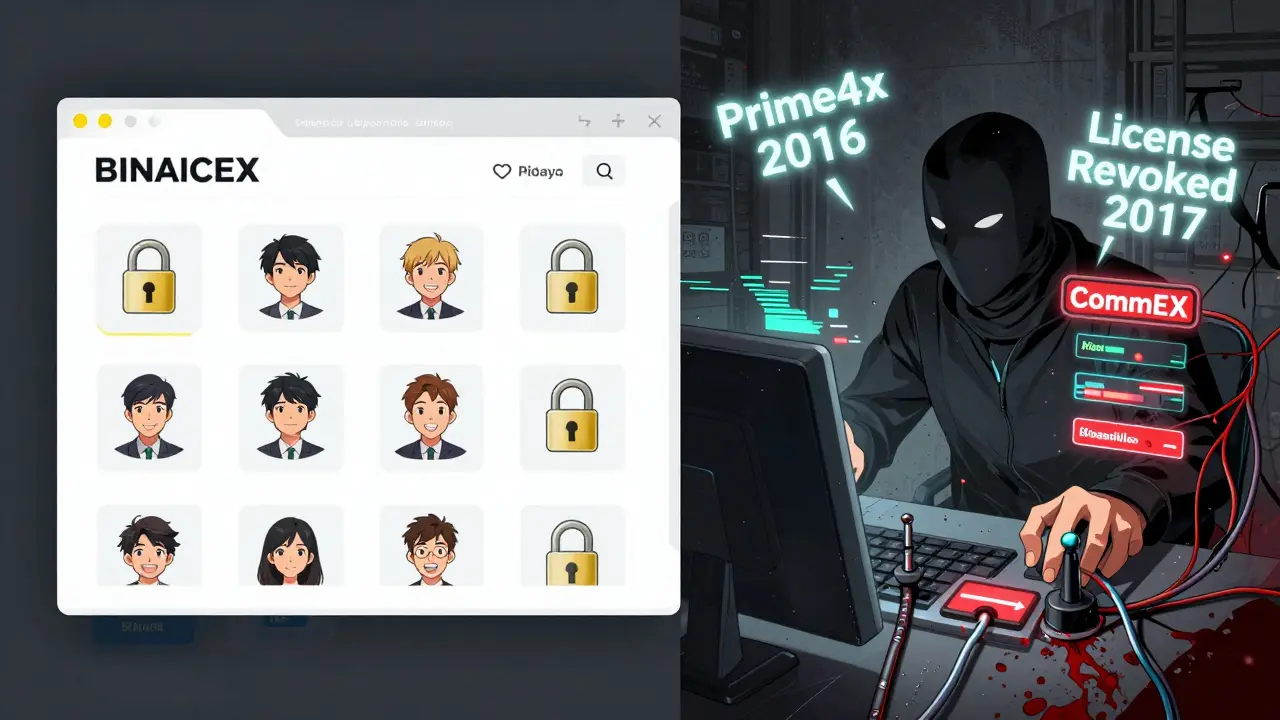
When you’re looking for a crypto exchange, you want security, transparency, and support. You don’t want to lose your money because the platform vanishes when you try to withdraw. CommEX isn’t just a risky choice-it’s one of the most dangerous platforms still operating under the radar in 2026. If you’ve seen ads for CommEX promising low fees or high liquidity, stop. This isn’t a normal exchange. It’s a flagged, blacklisted operation with a history of fraud. CommEX claims to be a cryptocurrency trading platform, but its entire structure screams scam. It’s registered in Seychelles, a jurisdiction known for allowing anonymous financial operations. Unlike legitimate exchanges like Coinbase or MEXC, CommEX provides zero legal documentation. No company registration number. No physical address. No contact information you can actually use. If you try calling or emailing them, you’ll get silence. That’s not poor customer service-that’s a deliberate design to avoid accountability. The platform’s interface looks familiar. Too familiar. It’s a near-perfect copy of Binance’s layout. But Binance is a regulated, public company with billions in assets and millions of users. CommEX? It’s a shell. Experts at Traders Union say it was built using technology acquired from Binance’s old infrastructure, then repurposed into something entirely unregulated. That’s not innovation. It’s theft. What makes this worse is its past. Before it was called CommEX, it operated as Prime4x-a broker that was already labeled a scam in 2016. When regulators started closing in, they simply changed the name and rebranded. This is a classic scammer tactic: bury the bad history under a new logo. If a platform rebrands after being exposed as fraudulent, that’s not a fresh start-it’s a red flag you can’t ignore. In April 2017, the Cyprus Securities and Exchange Commission (CySEC) took action. They revoked CommEX’s license and fined the company €400,000. They also sanctioned individuals tied to the operation, including Abdel Rahman Alimari. This wasn’t a minor violation. This was a formal, public declaration that CommEX was breaking the law. And yet, the platform kept running-quietly, anonymously, and without oversight. There’s no user feedback on Trustpilot. No real discussions on Reddit’s r/CryptoCurrency. No verified reviews on CoinMarketCap or CoinGecko. That’s not because it’s new or niche. It’s because there aren’t enough honest users left to talk about it. People who deposited funds have vanished. Those who tried to withdraw got locked out. The few testimonials you find online are either fake or paid. Legitimate exchanges have thousands of user reviews. CommEX has none. The fee structure is another trap. CommEX claims fees vary by "client status," but there’s no public schedule. No transparency. No way to know if you’re being overcharged. Compare that to Coinbase, which clearly states maker fees as low as 0% and taker fees capped at 0.6%. Or MEXC, which publishes its entire fee table and offers discounts for holding their native token. CommEX? No table. No explanation. Just silence. Security is non-existent. Legitimate exchanges use multi-sig wallets, cold storage, two-factor authentication, and regular audits. CommEX doesn’t publish any security protocols. No whitepapers. No third-party audits. No insurance for user funds. If your coins disappear, there’s no recourse. No one to call. No legal system to appeal to. Seychelles won’t help you. The platform won’t answer. In 2025, Traders Union added CommEX to their official Blacklist. They don’t do this lightly. Their team monitors thousands of platforms for fraud, phishing, and exit scams. CommEX made the list because it ticks every box: anonymous ownership, revoked license, no contact options, copied interface, rebranding from a known scam, and zero user protections. If you’re thinking of using it, don’t. The risk isn’t just high-it’s guaranteed. There are hundreds of safe, regulated exchanges to choose from. Coinbase is trusted by over 100 million users worldwide. MEXC serves more than 40 million across 170 countries with clear compliance and 24/7 support. Kraken, Binance (yes, the real one), and Bybit all provide transparent fee structures, documented security, and regulatory registration. Why risk your crypto with a ghost? The crypto market is full of opportunities. But it’s also full of predators. CommEX isn’t a platform. It’s a trap. And like all traps, it looks harmless until it’s too late.
Why CommEX Fails Every Basic Standard for a Crypto Exchange
A legitimate crypto exchange has four pillars: regulation, transparency, security, and support. CommEX fails all four.- Regulation: Its license was revoked by CySEC in 2017. No current regulatory body recognizes it.
- Transparency: Zero legal documents, no company registration, no physical location. Operates entirely anonymously.
- Security: No public security measures. No cold storage details. No audit reports. No insurance.
- Support: No phone, no email, no live chat. Users report being blocked after asking for withdrawals.
How CommEX Compares to Legitimate Exchanges
| Feature | CommEX | Coinbase | MEXC |
|---|---|---|---|
| Regulatory Status | License revoked (CySEC, 2017) | Licensed in U.S., EU, and multiple jurisdictions | Licensed in multiple regions; compliant with AML/KYC |
| Customer Support | No contact options available | 24/7 live chat, email, phone | 24/7 multilingual support |
| Fee Transparency | Variable, no public schedule | Clear maker/taker fees (0%-0.6%) | Public fee table with discounts |
| Security Measures | No published protocols | Cold storage, insurance, multi-sig | Cold storage, audit reports, SSL encryption |
| User Reviews | No verifiable reviews on Trustpilot, Reddit, etc. | 4.7/5 on Apple App Store, 4.6/5 on Google Play | 4.5/5 on Trustpilot, 100k+ forum posts |
| History | Rebranded from scam broker Prime4x | Founded in 2012; public company | Founded in 2018; transparent growth |
What Happens When You Try to Withdraw From CommEX
Users who’ve tried to pull funds out report the same pattern:- Deposit crypto-often small amounts to test the waters.
- Wait for trades to settle or bonuses to appear.
- Request withdrawal. The system says "processing."
- Days pass. No update. No response.
- Try contacting support. No reply. No email bounce. No error message.
- Eventually, the website becomes unreachable or redirects to a phishing clone.
Red Flags You Can’t Ignore
Here are the top five warning signs that CommEX is a scam:- Zero regulatory presence: No license, no registration, no oversight.
- Copycat interface: Mimics Binance to trick users into trusting it.
- No user feedback: No reviews on any trusted platform.
- Rebranded scam: Previously operated as Prime4x, a known fraud.
- Unreachable support: Impossible to contact for help with funds.
What to Do Instead
Don’t gamble with your crypto. Use platforms that have been tested by millions.- Coinbase: Best for beginners. Simple, secure, regulated.
- MEXC: Best for altcoin traders. 1,000+ coins, low fees, global support.
- Kraken: Best for advanced users. Strong security, institutional-grade tools.
- Bybit: Best for derivatives and futures trading.
Final Warning
If you’ve been tempted by CommEX’s ads promising "high returns" or "no fees," remember: if it sounds too good to be true, it is. This isn’t a platform trying to compete-it’s a ghost trying to steal. The regulators have already spoken. The users have already left. The only thing left is your money-if you deposit it.Is CommEX a legitimate crypto exchange?
No. CommEX is not legitimate. It was shut down by the Cyprus Securities and Exchange Commission (CySEC) in 2017 after being fined €400,000 for regulatory violations. It currently operates anonymously from Seychelles with no license, no legal documentation, and no customer support. Traders Union lists it on their official Blacklist as a high-risk platform.
Can I withdraw my funds from CommEX?
Users consistently report being unable to withdraw funds. After depositing crypto, many are blocked from withdrawals, ignored by support, or redirected to fake websites. There is no verified case of a successful withdrawal from CommEX. The platform is designed to trap deposits, not enable trading.
Was CommEX previously known as Prime4x?
Yes. Research shows CommEX was previously operating under the name Prime4x, a broker flagged as a scam in 2016. The rebranding to CommEX was a deliberate attempt to evade regulatory scrutiny and restart operations under a new name-common behavior among fraudulent financial platforms.
Why does CommEX look like Binance?
CommEX’s interface is a near-identical copy of Binance’s design, likely built using leaked or stolen code from Binance’s old infrastructure. This is a tactic used by scam platforms to trick users into trusting a familiar-looking site. Binance is a regulated, public company. CommEX is not. The similarity is intentional deception.
Are there any safe alternatives to CommEX?
Yes. Legitimate, regulated exchanges like Coinbase, MEXC, Kraken, and Bybit offer transparent fees, verified security measures, public licenses, and 24/7 customer support. These platforms have been tested by millions of users over years and are continuously audited. Avoid unregulated platforms with no history, no support, and no transparency.
What to Do If You Already Used CommEX
If you’ve deposited funds into CommEX:- Stop trying to withdraw. It won’t work and may trigger phishing scams.
- Document everything: screenshots, transaction IDs, emails (if any).
- Report it to your local financial regulator and to Traders Union.
- Warn others. Share your experience on crypto forums to prevent more people from falling for this.
Katrina Smith
March 17, 2026 AT 06:50Jerry Panson
March 18, 2026 AT 20:59Anastasia Danavath
March 20, 2026 AT 17:36anshika garg
March 22, 2026 AT 13:58Bruce Doucette
March 23, 2026 AT 14:11Marie Vernon
March 23, 2026 AT 21:47Ross McLeod
March 25, 2026 AT 10:21rajan gupta
March 26, 2026 AT 03:28Billy Karna
March 27, 2026 AT 04:55Cheri Farnsworth
March 28, 2026 AT 00:17Patty Atima
March 29, 2026 AT 21:23Lucy de Gruchy
March 31, 2026 AT 10:17Lauren J. Walter
April 2, 2026 AT 03:15