Consumer Protection for Cryptocurrency in Japan: What You Need to Know in 2026
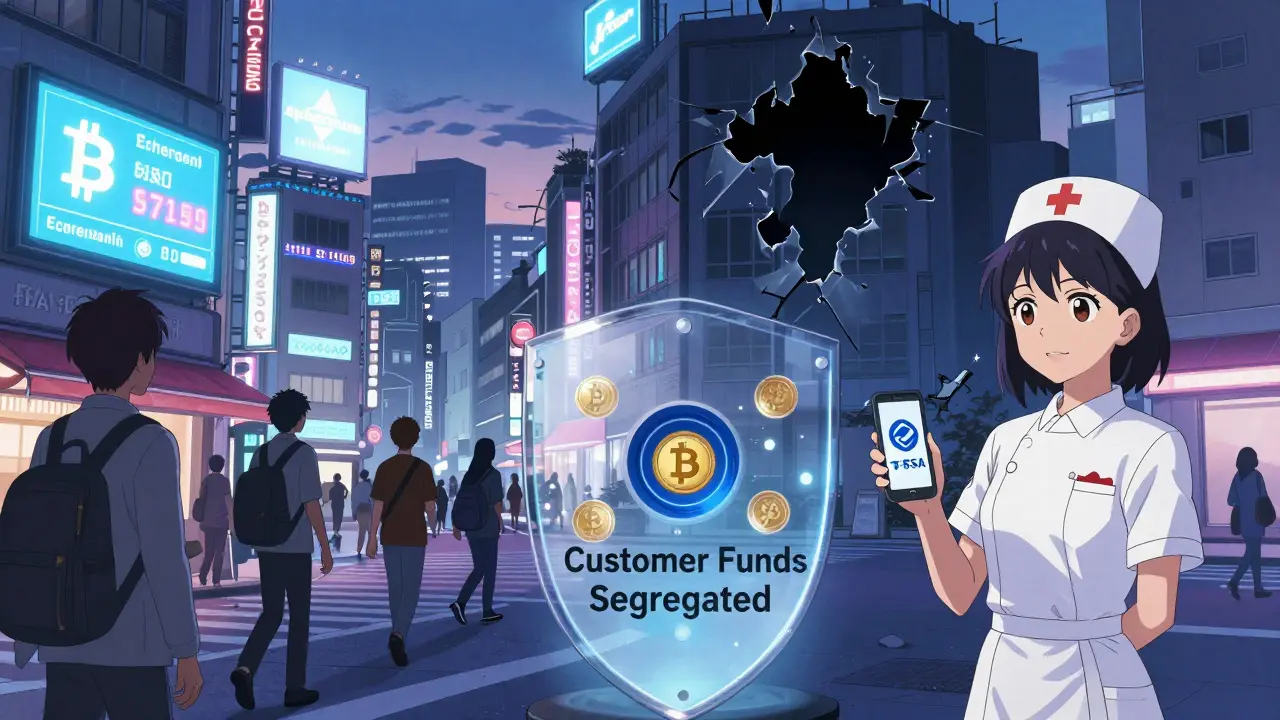
Japan doesn’t just allow cryptocurrency - it regulates it like no other country. While many places struggle to keep up with crypto’s rapid growth, Japan has built one of the most detailed, enforceable, and user-focused consumer protection systems in the world. If you’re holding Bitcoin, Ethereum, or any other crypto asset in Japan, you’re protected by rules that go far beyond basic security. These aren’t suggestions. They’re legal requirements - and they’re working.
How Japan’s Crypto Rules Keep Your Money Safe
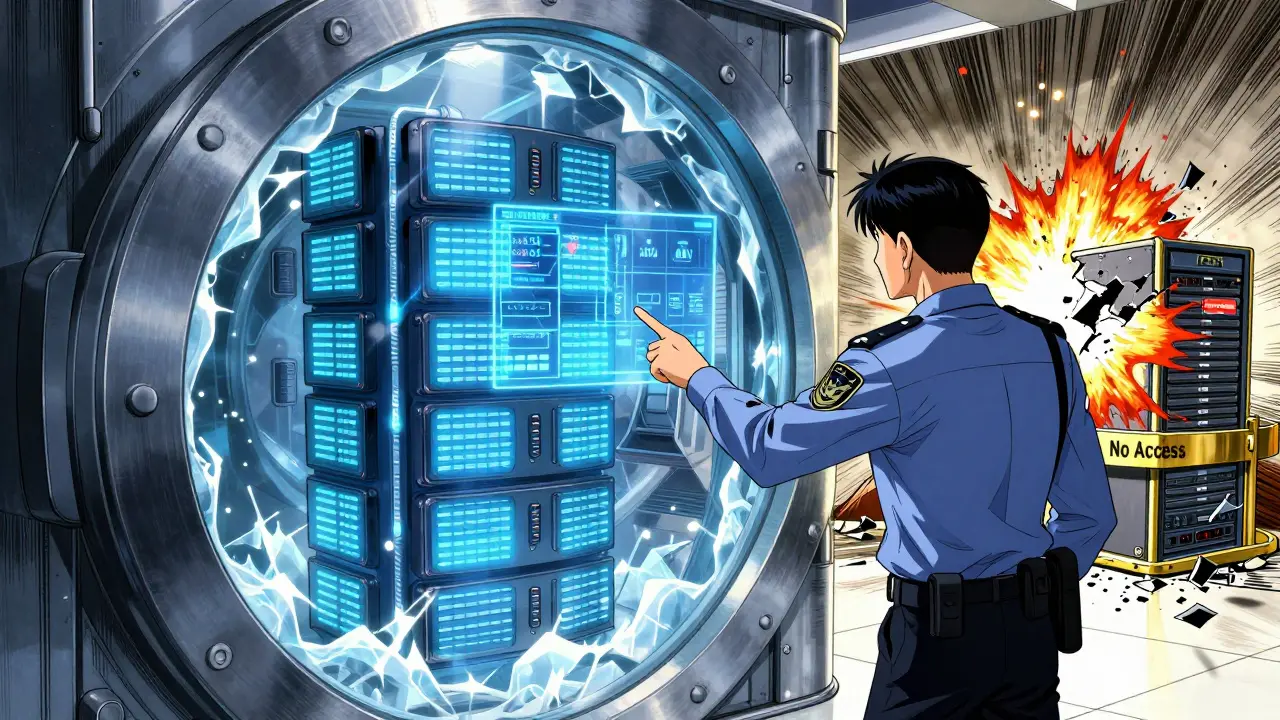
All crypto exchanges operating in Japan must be registered with the Financial Services Agency (FSA). This isn’t optional. If a platform isn’t registered, it’s illegal. As of 2026, over 12 million Japanese users hold crypto assets worth more than 5 trillion yen ($33.7 billion). That’s a massive amount of money, and the government won’t let it be at risk. The core rule? Customer funds must be kept completely separate from company money. This means if an exchange goes bankrupt, your Bitcoin or Ethereum isn’t part of its debt. It’s yours - locked away, untouched, and protected. Exchanges are required to store at least 95% of all user assets in offline cold wallets. No internet connection. No hackers. No excuses. This is the gold standard for security, and Japan enforces it strictly.The 2025 Amendment: A Game-Changer for Refunds
Before 2025, if a crypto exchange failed, users had to wait months - sometimes over 170 days - just to get their money back. The government had to step in, process claims, and then slowly return funds. That’s not protection. That’s frustration. The 2025 amendment changed everything. Now, banks and trust companies can directly return funds to users without waiting for government approval. If an exchange collapses, your money can be returned in days, not months. This isn’t a minor tweak. It’s one of the fastest refund systems in the world. It’s designed for real people - not corporations.What Kind of Crypto Is Protected?
Not all digital assets are treated the same. Japan draws a clear line:- Crypto-assets: Bitcoin, Ethereum, Solana - these are covered under the Payment Services Act. They’re treated as property, not money. Exchanges handling them must follow strict rules.
- Prepaid cards and e-money: Things like Suica cards or bank-issued digital coins tied 1:1 to yen? These are not crypto-assets. They’re regulated under different laws because they’re basically digital cash.
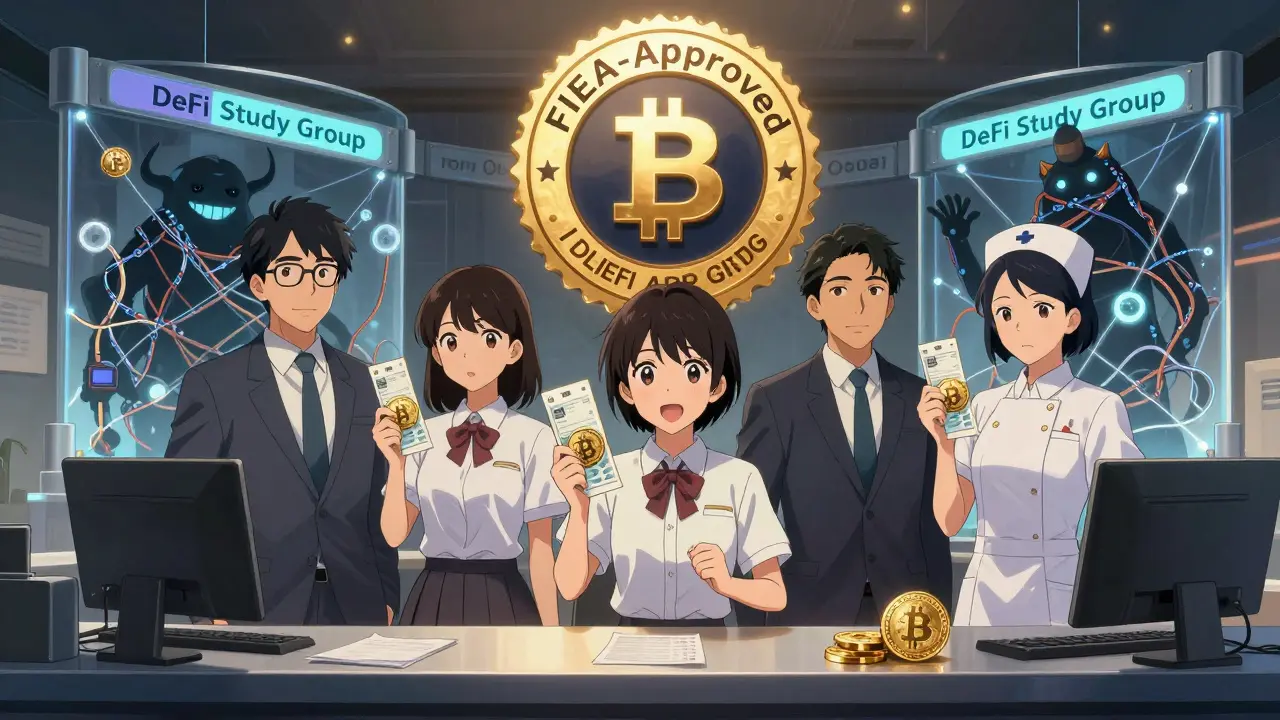
- Investment tokens: If a token acts like a stock - promising profits, voting rights, or ownership shares - it’s now classified as a security under the Financial Instruments and Exchange Act (FIEA). This means issuers must disclose everything: risks, team background, financials. No more anonymous projects.
What Happens If an Exchange Breaks the Rules?
Violations aren’t just fined. They’re criminal. Operating an unregistered crypto exchange in Japan used to carry up to three years in prison and fines of up to 3 million yen. But since 2022’s Penal Code update, prison time has been replaced with confinement punishment - a system that focuses on rehabilitation and community service instead of incarceration. Still, it’s serious. The FSA doesn’t just send warnings. They shut down operations. They freeze assets. They go after executives. The FSA also has the power to order exchanges to keep assets inside Japan if they’re at risk of being moved overseas. This stops companies from hiding money abroad when things go wrong. It’s a powerful tool - and one few countries have.Crypto Credit Cards? Now They’re Regulated Too
You might not think about it, but if you’re using a crypto-backed credit card that lets you pay in installments - say, buying Bitcoin over two months - that’s now a regulated financial service. Under Japan’s Installment Sales Act, any company offering revolving payments or bonus lump-sum crypto purchases must register as a credit purchase intermediary. That means they must:- Clearly explain interest rates and fees
- Verify your income and repayment ability
- Provide written contracts before you sign
What About DeFi? Are You Still Protected?
Decentralized finance (DeFi) platforms - like Uniswap or Aave - don’t have a company behind them. No CEO. No headquarters. So how does Japan protect users? The answer: they’re studying it. The FSA created the DeFi Study Group, which meets every two to three months. It includes regulators, academics, and industry leaders. They’re not banning DeFi. They’re figuring out how to apply consumer protection principles to smart contracts, liquidity pools, and automated market makers. The goal? To prevent scams, exploit traps, and rug pulls - without killing innovation. This isn’t a wait-and-see approach. It’s a proactive one. Japan knows DeFi is coming. They’re building the guardrails now.Who Uses Crypto in Japan - And Why?
About 70% of Japanese crypto users are middle-income earners. They’re not traders chasing quick gains. They’re teachers, nurses, small business owners - people looking to build long-term wealth. Finance Minister Katsunobu Kato has openly said crypto can be part of a diversified portfolio. That’s huge. It means the government doesn’t see crypto as a gamble. It sees it as a legitimate asset class. But that doesn’t mean they’re blind to risk. The rules exist because they know people trust these systems. And when trust breaks, lives get hurt.What’s Next? The Big 2026 Changes
In early 2026, Japan will finalize the formal bill to fully integrate investment tokens under the FIEA. This will:- Require full disclosure from token issuers
- Prohibit insider trading in crypto markets
- Allow the FSA to issue emergency injunctions to freeze suspicious trading
- Clear the path for regulated crypto ETFs to launch on Japanese exchanges
Stablecoin issuers are getting relief too. New rules lower barriers for them to operate, as long as they’re backed 1:1 and audited. Cross-border crypto collection services are also under review, with new regulations expected later this year.
Japan’s model is simple: protect users first, then encourage growth. Not the other way around.
Are Japanese crypto exchanges safe to use?
Yes - if they’re registered with the FSA. Only registered exchanges can legally operate in Japan, and they must follow strict rules: 95% of assets in cold storage, customer funds fully segregated, and KYC/AML checks in place. Unregistered platforms are illegal. Always check the FSA’s official list before depositing funds.
What happens if my crypto exchange goes bankrupt?
Your assets are protected. Since 2025, customer funds are legally separate from company assets. If the exchange fails, banks or trust companies can return your crypto directly - no government delays. You won’t lose everything. The 95% cold wallet rule means even if hackers strike, most of your funds remain offline and secure.
Can I buy Bitcoin through a regulated ETF in Japan?
Yes. Since June 2025, certain crypto assets have been reclassified as securities under the Financial Instruments and Exchange Act. This opened the door for regulated spot Bitcoin ETFs. You can now buy them through licensed brokers - just like stocks. No need to hold crypto directly. Less risk, same exposure.
Is using a crypto credit card legal in Japan?
Only if the issuer is registered as a credit purchase intermediary under the Installment Sales Act. If the card lets you pay in installments, revolving payments, or bonus lump sums for crypto purchases, it’s regulated. Unregistered providers are breaking the law. Always ask for proof of registration before signing up.
Does Japan regulate DeFi platforms like Uniswap?
Not directly - yet. DeFi platforms don’t have legal entities, so they can’t be registered. But the FSA has a dedicated DeFi Study Group that meets regularly to develop rules. The goal is to prevent scams and exploits without banning innovation. Users should still treat DeFi with caution - no regulation means no legal recourse if something goes wrong.