CSM Airdrop by Crust Shadow: How to Participate and What You Need to Know

If you’ve heard about the CSM airdrop by Crust Shadow and are wondering whether it’s worth your time, you’re not alone. With 9 million CSM tokens up for grabs - split among 1,000 winners who could each walk away with 9,000 CSM - this isn’t just another small giveaway. It’s one of the biggest decentralized storage airdrops in the Kusama ecosystem this year. But here’s the catch: most people don’t know how to qualify, what’s required, or even if it’s still active. Let’s cut through the noise.
What Is Crust Shadow and Why Does CSM Matter?
Crust Shadow is a decentralized storage network built on Kusama, the experimental testnet for Polkadot. Think of it like a peer-to-peer version of Amazon S3, but instead of relying on big tech companies to store your files, it uses thousands of individual computers around the world. These computers, called miner nodes, earn CSM tokens for providing storage space and keeping data available. CSM is the native token that powers this whole system. You need it to pay for storage, reward miners, and participate in governance. The token isn’t just a speculative asset - it’s the fuel that keeps the network running. As of January 2026, CSM trades between $0.0029 and $0.0037, and over the past week, it’s jumped nearly 39%. That kind of momentum doesn’t happen by accident. What makes Crust Shadow different from other storage projects is its deep integration with IPFS and its sWorker sealing mechanism. This means files are broken into pieces, encrypted, and stored across multiple nodes - making them more secure and harder to take down than centralized cloud services. It’s also optimized for edge computing, meaning data can be stored closer to where it’s used, reducing latency for apps and websites.The 9,000,000 CSM Airdrop: How It Works
The current airdrop is hosted on CoinMarketCap and is one of the most generous in the Crust ecosystem. Here’s what you need to know:- 9,000,000 CSM tokens total are being distributed
- Exactly 1,000 winners will be selected
- Each winner gets up to 9,000 CSM tokens
- Value at current prices: around $27-$33 per winner
- Holding or staking KSM (Kusama’s native token)
- Participating in a past crowdloan for Crust Shadow’s parachain slot
- Connecting a wallet (like MetaMask or Polkadot.js) that has interacted with Crust protocols
- Completing simple tasks like following official social channels or joining the Discord
How to Check If You’re Eligible
You don’t need to be a crypto expert to check your status. Here’s how:- Go to CoinMarketCap’s Crust Shadow airdrop page
- Click “Check Eligibility”
- Connect your wallet (MetaMask, Phantom, or Polkadot.js)
- Wait for the system to scan your on-chain activity
- Wallet addresses that participated in Crust Shadow’s Kusama Auction #19 (2022)
- Addresses that staked KSM in the Crust Shadow crowdloan (which raised over 30,000 KSM, worth $440k at the time)
- Wallets that have made storage orders on Crust’s decentralized marketplace
- Users who held CSM tokens before the airdrop announcement

What Happens After You Win?
Winners will receive their CSM tokens directly to the wallet they used to enter. The tokens are ERC-20 compatible, meaning they can be stored in MetaMask, Trust Wallet, or any Ethereum-compatible wallet. The smart contract address is0x2620638eda99f9e7e902ea24a285456ee9438861 - you can verify this on Etherscan.
Once you get the tokens, you have options:
- Hold them - Crust’s roadmap includes deeper integration with decentralized computing, which could increase demand for CSM
- Trade them - CSM is listed on Binance and other major exchanges
- Stake them - Crust plans to launch staking rewards later in 2026, giving you passive income for securing the network
Why This Airdrop Is Different
Most airdrops are throwaway campaigns - designed to hype a token and then vanish. Crust Shadow’s airdrop is tied to real infrastructure. The network has been live since 2022, holds 100% of Kusama’s leading blocks, and has a lease until 2035. That’s not a vaporware project. That’s a long-term bet on decentralized storage. Also, this isn’t just about free tokens. It’s about aligning incentives. The more people who hold and use CSM, the stronger the network becomes. Every CSM in your wallet is a vote for the future of decentralized cloud storage. Compare this to other storage projects like Filecoin or Arweave - Crust Shadow is smaller, but it’s faster, cheaper, and more integrated with Polkadot’s ecosystem. If you believe in Web3’s shift away from AWS and Google Cloud, this is one of the quietest plays you can make right now.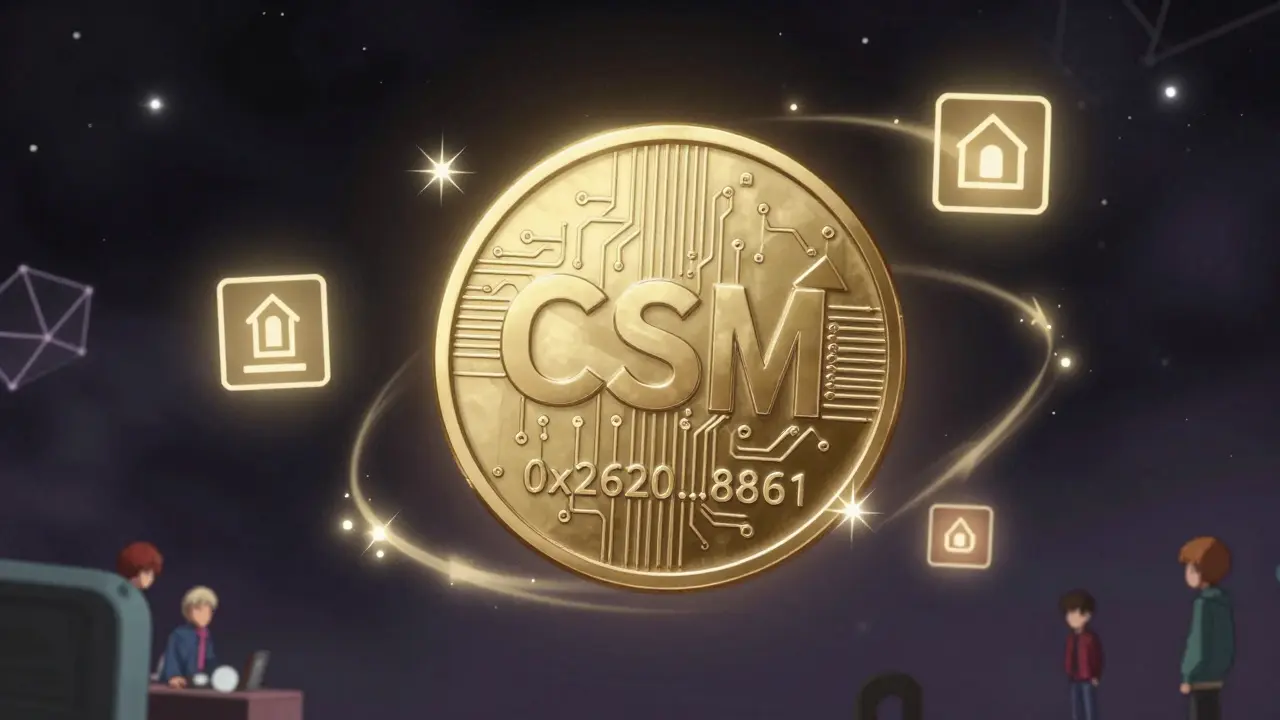
What If You Miss This Airdrop?
Don’t write off Crust Shadow. They’ve done at least three major community campaigns since 2023. The July 2025 monthly report mentioned upcoming incentives for storage providers and new dApp integrations. If you’re serious about decentralized storage, here’s what to do now:- Buy or stake some KSM and keep it in a wallet you control
- Follow Crust Shadow’s official Twitter and Discord
- Try their storage dashboard - upload a small file for free
- Join their next crowdloan if they launch another parachain auction
Final Thoughts
The CSM airdrop isn’t a get-rich-quick scheme. It’s a chance to get involved in a real, working decentralized storage network with a clear roadmap and strong community backing. If you’ve ever used IPFS, stored files on decentralized networks, or just believe cloud storage should be open and distributed - this is your moment. Don’t wait for someone else to tell you it’s safe. Check your eligibility now. If you’re eligible, claim your tokens. If you’re not, start building your track record. The next opportunity might be just around the corner - and you’ll be ready.Is the Crust Shadow CSM airdrop still active in 2026?
Yes, the 9,000,000 CSM airdrop is still active as of January 2026. It’s being distributed through CoinMarketCap’s platform, and eligibility checks are live. Winners will be selected based on past participation in Crust Shadow’s crowdloan, storage usage, or KSM staking. The deadline hasn’t been announced yet, but past airdrops ran for 3-6 weeks.
Do I need to pay to enter the CSM airdrop?
No, entering the airdrop is completely free. You only need a crypto wallet and a CoinMarketCap account. Never send funds, private keys, or pay any fee to claim tokens. If someone asks you to pay, it’s a scam.
How many CSM tokens can I get if I win?
Each of the 1,000 winners receives up to 9,000 CSM tokens. That’s the maximum per person. The total airdrop pool is 9 million CSM, so no one gets more than that. If you have multiple wallets, you can only claim once - the system detects duplicate entries.
Can I claim the CSM airdrop on my phone?
Yes, you can claim the airdrop on your phone using a mobile wallet like MetaMask or Trust Wallet. Just open the CoinMarketCap airdrop page in your browser, connect your wallet, and follow the steps. Make sure you’re on the official site - never click links from Telegram or Twitter DMs.
Where can I trade CSM tokens after the airdrop?
CSM is listed on Binance, KuCoin, and several decentralized exchanges like Uniswap and PancakeSwap. You can swap CSM for ETH, USDT, or other major tokens. Always check the official Crust Shadow website for the latest exchange listings - new ones may appear after the airdrop ends.
What’s the difference between Crust Network and Crust Shadow?
Crust Network is the original decentralized storage protocol on Polkadot. Crust Shadow is its Kusama-based counterpart - a test version that operates on a faster, more experimental chain. CSM is the token for Crust Shadow, while CRU is used on the main Crust Network. They share the same technology but serve different purposes: Crust Shadow tests new features before they roll out to the main network.
Will CSM tokens be worth more in the future?
Price predictions vary. CoinCodex forecasts CSM could reach $0.006-$0.007 by late 2025, which would be double today’s price. But this depends on adoption - if more apps start using Crust’s storage, demand for CSM will rise. If the network stays small, the price may stagnate. Treat it as a long-term bet on decentralized infrastructure, not a short-term trade.

Taylor Mills
January 26, 2026 AT 14:47Kevin Pivko
January 27, 2026 AT 20:09Jessica Boling
January 29, 2026 AT 02:28MICHELLE REICHARD
January 30, 2026 AT 23:51tim ang
February 1, 2026 AT 05:25Jennifer Duke
February 2, 2026 AT 14:15Andy Marsland
February 2, 2026 AT 14:22Anna Topping
February 4, 2026 AT 10:19Jeffrey Dufoe
February 5, 2026 AT 11:56Harshal Parmar
February 6, 2026 AT 22:44