El Salvador's Bitcoin Adoption Strategy: What Really Happened After Legal Tender Status Ended
El Salvador Bitcoin Reserve Calculator
Current Bitcoin Reserve Value
As of March 2025, El Salvador holds 6,102 Bitcoin with a current value of $500 million. This reserve is held separately from the national budget and represents a strategic long-term investment in cryptocurrency.
El Salvador didn’t just experiment with Bitcoin - it bet its entire economic future on it. In September 2021, the country became the first in the world to make Bitcoin legal tender, alongside the U.S. dollar. The goal was simple: give unbanked Salvadorans access to financial tools, slash remittance fees, and break free from dollar dependency. But by January 2025, the government quietly dropped Bitcoin’s legal tender status - not because it failed, but because it couldn’t survive the pressure.
Why El Salvador Chose Bitcoin
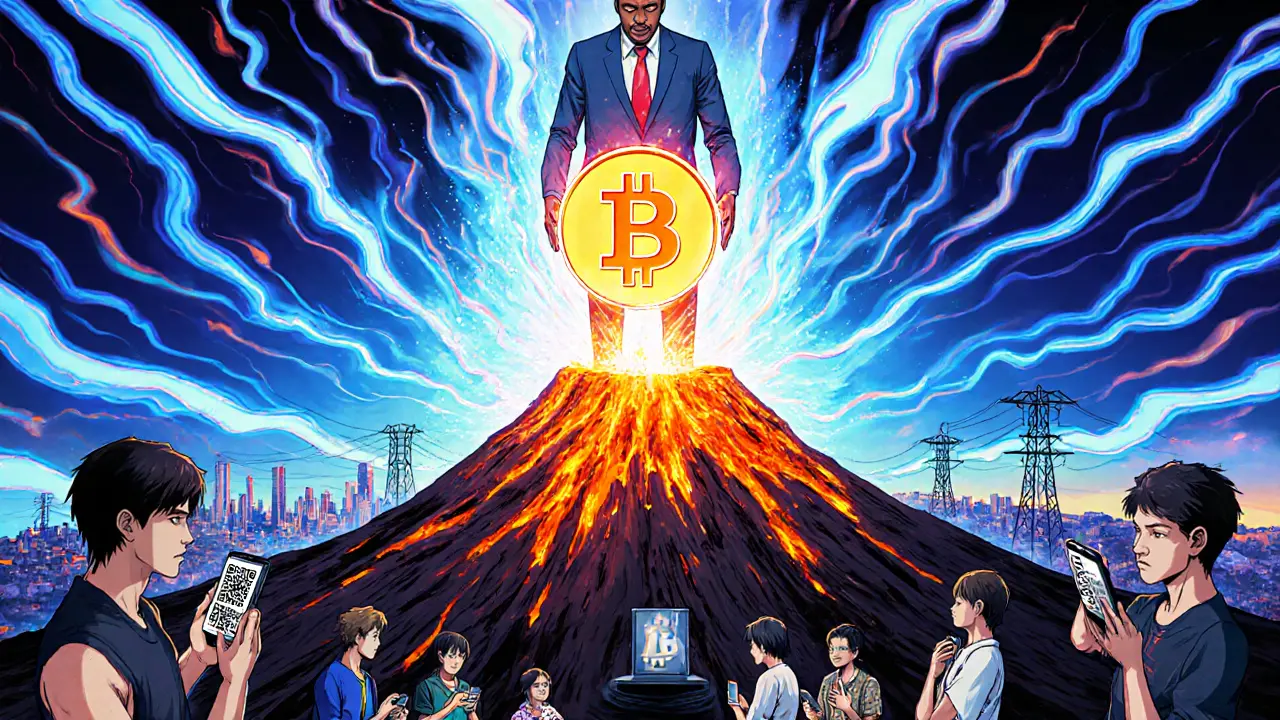
Before Bitcoin, 70% of Salvadorans had no bank account. Sending money home from the U.S. cost up to 20% in fees. The economy was locked into the U.S. dollar since 2001, leaving the country with zero control over its monetary policy. President Nayib Bukele saw Bitcoin as a way out. Not as a speculative asset, but as a public utility - a tool to bypass intermediaries, reduce costs, and empower people. The government didn’t just talk about it. They built the Chivo Wallet, gave every citizen $30 in Bitcoin just to download it, and passed laws requiring businesses to accept it. They even planned Bitcoin City - a tax-free zone powered by geothermal energy from volcanoes - and announced Volcano Bonds, crypto-backed debt to fund infrastructure. It wasn’t just idealism. It was a direct challenge to the IMF, the World Bank, and the dollar-dominated global system. El Salvador was trying to do what no other nation dared: replace part of its currency with decentralized money.How It Actually Worked - On the Ground
By 2025, 82% of small businesses in El Salvador accepted Bitcoin. Cafes, street vendors, taxi drivers - they all had QR codes for payments. You could buy a pupusa with Bitcoin. You could pay your electric bill with it. But here’s the catch: most people still used dollars. Only 1% of remittances flowed through the Chivo Wallet. Why? Because Bitcoin’s price swung wildly. A worker might receive $100 in Bitcoin one day, only to see it drop to $85 by the time they tried to spend it. No one wants their paycheck to turn into a gamble. The Chivo Wallet itself was clunky. Many users couldn’t figure out how to send Bitcoin without a smartphone or stable internet. Technical support was nearly nonexistent. The government’s education campaign felt like a rushed app demo, not a national financial overhaul. Still, something unexpected happened: more Salvadorans had Lightning wallets than bank accounts by 2022. That’s not adoption - it’s infrastructure. People weren’t using Bitcoin to buy coffee. They were using it to send money to family without banks. That’s a quiet revolution.The IMF and the Backdown
By 2023, El Salvador’s debt was rising. Inflation was stubborn. Bitcoin’s price had crashed from $60,000 to under $20,000. The government had bought over 5,000 BTC at an average price of $45,000 - a $225 million loss on paper. The IMF stepped in with a $1.4 billion loan - but with a condition: scrap Bitcoin as legal tender. It wasn’t about Bitcoin being bad. It was about risk. The IMF saw a sovereign state holding volatile assets as a threat to financial stability. They didn’t want a country’s treasury tied to crypto swings. In January 2025, El Salvador quietly repealed the law. Bitcoin was no longer legal tender. Businesses no longer had to accept it. The move wasn’t surrender. It was strategy. The government didn’t sell its Bitcoin. It kept buying. By March 2025, the Strategic Bitcoin Reserve Fund held 6,102 coins - worth around $500 million. They stopped forcing people to use it. But they kept stacking it.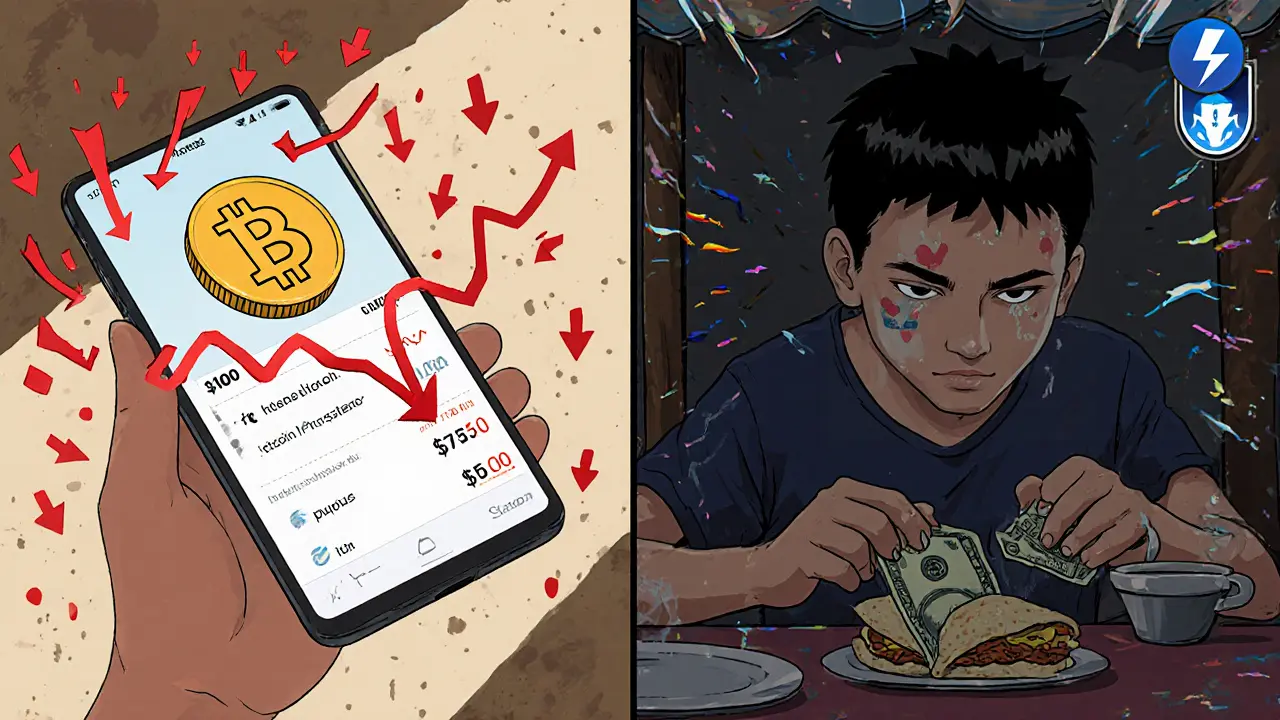
What’s Left After Legal Tender Ended
El Salvador didn’t abandon Bitcoin. It changed its game. The Chivo Wallet still exists. Businesses still accept Bitcoin. The Volcano Bonds are still in play. Bitcoin City is still on the drawing board. The country didn’t reverse course - it narrowed it. Now, Bitcoin is treated like any other private payment option - like PayPal or Venmo. No law forces anyone to use it. But no law blocks it either. That’s the new model: private adoption, public reserve. The government stopped trying to make Bitcoin the currency of the people. Instead, it became the currency of the state - a hedge against dollar inflation, a long-term bet on crypto’s future. And it’s working. Even as the world watches, El Salvador is quietly building one of the largest national Bitcoin reserves on the planet.Who Won and Who Lost
The critics say it failed. The Economist called it a disaster. The IMF praised the policy shift. But the truth is more nuanced. The people didn’t win. Most Salvadorans never used Bitcoin daily. The $30 bonus was spent quickly. The promised financial freedom didn’t materialize for the average worker. The businesses didn’t win either. They had to install new systems, train staff, and deal with price swings - all without compensation. Many just stuck with dollars. But the government? It won. It got international attention. It attracted crypto investors, tech talent, and foreign capital. It built a global reputation as a bold innovator. And it now holds over $500 million in Bitcoin - an asset that could be worth billions if the market rebounds. The real winners? The global crypto community. El Salvador proved a country could try this. It showed that a small nation could defy the financial establishment. Even if it walked back the legal tender law, it didn’t walk back the vision.
What This Means for the Rest of the World
El Salvador’s experiment wasn’t a failure - it was a warning. And a blueprint. Other countries saw what happened. They saw the chaos of forcing adoption. They saw the volatility of holding crypto as a reserve. And they saw the power of staying in the game without the legal burden. Now, countries like Paraguay, Panama, and Nigeria are exploring Bitcoin as a reserve asset - not as legal tender. They’re watching El Salvador’s playbook: buy low, hold long, let the market decide. Central banks are rushing to launch their own digital currencies (CBDCs). But El Salvador did something different. It didn’t build a state-controlled digital dollar. It built a state-backed crypto asset. That’s a radical distinction. The lesson isn’t that Bitcoin can replace money. The lesson is that Bitcoin can be a tool - not for daily payments, but for long-term economic resilience.The Future of Bitcoin in El Salvador
El Salvador’s next move won’t be about making Bitcoin legal. It’ll be about making Bitcoin valuable. The PLANB Forum 2025 - the largest crypto event in Central America - was held in San Salvador. Tech startups are moving in. Blockchain developers are getting visas. The government is offering tax breaks for crypto businesses. They’re not trying to make everyone use Bitcoin. They’re trying to become the Bitcoin hub of Latin America. The Strategic Bitcoin Reserve Fund is still growing. In March 2025, they bought another 8 BTC. They’re not betting on price spikes. They’re betting on time. In 10 years, if Bitcoin is worth $200,000, El Salvador’s 6,102 coins could be worth over $1.2 billion. That’s not a gamble. That’s a sovereign investment strategy. They didn’t win the battle for daily payments. But they might win the war for national wealth.Did El Salvador really make Bitcoin legal tender?
Yes, starting in September 2021, Bitcoin became legal tender alongside the U.S. dollar. Businesses were required by law to accept it. But in January 2025, the government repealed that law under pressure from the IMF. Bitcoin is no longer mandatory - but it’s still legal to use.
Why did El Salvador stop making Bitcoin legal tender?
The International Monetary Fund demanded it as a condition for a $1.4 billion loan. The IMF argued that Bitcoin’s volatility threatened the country’s financial stability. The government agreed to drop the legal tender requirement to secure funding and avoid deeper economic crisis - but kept its Bitcoin reserves intact.
How much Bitcoin does El Salvador still own?
As of March 2025, El Salvador holds 6,102 Bitcoin, valued at approximately $500 million. The government has continued buying Bitcoin even after ending legal tender status, including an 8 BTC purchase in early 2025. This reserve is held separately from the national budget and is considered a long-term strategic asset.
Do Salvadorans actually use Bitcoin every day?
Very few. Despite 82% of small businesses accepting Bitcoin, only about 1% of remittances and daily transactions use it. Most people stick with U.S. dollars because Bitcoin’s price swings make it unreliable for everyday spending. The Chivo Wallet saw low usage, and many users found it confusing or unreliable.
Is El Salvador still a crypto-friendly country?
Absolutely. While Bitcoin is no longer legal tender, the government actively promotes crypto innovation. It hosts major events like the PLANB Forum, offers tax incentives to crypto businesses, and continues buying Bitcoin. El Salvador is now positioning itself as a regional hub for blockchain technology - not as a cash-based crypto economy, but as a tech-forward financial center.
Daryl Chew
November 24, 2025 AT 12:08Tyler Boyle
November 26, 2025 AT 03:18Jane A
November 26, 2025 AT 19:39jocelyn cortez
November 26, 2025 AT 20:41Gus Mitchener
November 28, 2025 AT 19:56Jennifer Morton-Riggs
November 29, 2025 AT 05:34Kathy Alexander
November 29, 2025 AT 07:24Soham Kulkarni
November 30, 2025 AT 02:34Tejas Kansara
December 1, 2025 AT 05:28Rajesh pattnaik
December 1, 2025 AT 15:11