FIXT Crypto Exchange Review: Is This Panama-Based Platform Worth Your Trust?

You’ve probably heard the horror stories. Billions of dollars vanished overnight because a big name in crypto turned out to be a house of cards. When FIXT pops up in your search results, you’re likely asking one question: is this another risky bet, or does it offer something new? As someone watching the market from Wellington, I know that trust is the most expensive currency in crypto. You don’t just want a place to trade; you want a vault that won’t leak.
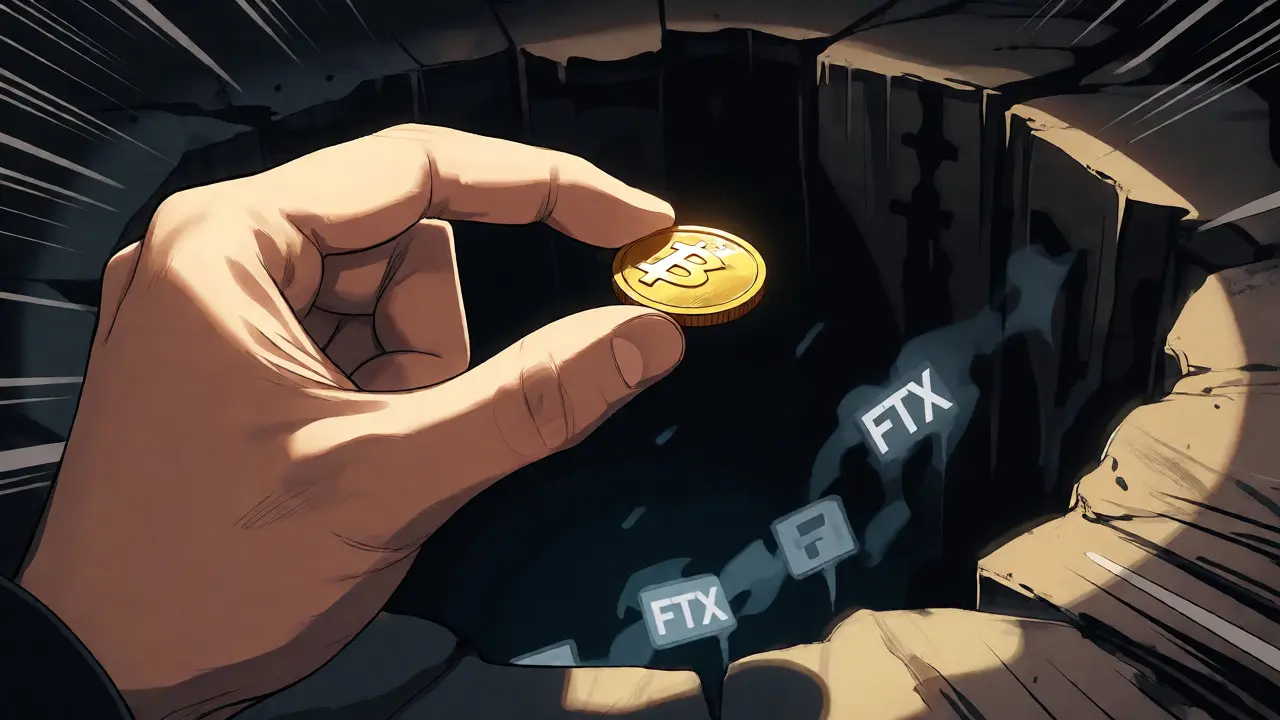
FIXT is a global cryptocurrency platform established in 2023 and headquartered in Panama. It entered the scene right after the industry’s biggest crisis-the collapse of FTX-when users were desperate for alternatives but terrified of making the wrong choice again. But here’s the catch: while everyone else was shouting about their new features, FIXT stayed quiet. Too quiet. If you’re looking for detailed specs, transparent fee structures, or massive user reviews, you might find yourself staring at an empty page. That silence isn’t always bad-it can mean stability-but in crypto, opacity often breeds suspicion.
The Mystery Behind the Platform
Let’s be real. Most exchanges shout their advantages from the rooftops. Binance talks about volume. Coinbase talks about ease of use. Kraken talks about security. What does FIXT talk about? Not much. The platform positions itself as an "innovative solution" integrating trading functionality, but what does that actually mean for your wallet?
We dug into the available data, and here’s what we found: technical specifications are scarce. Unlike FixedFloat, which clearly lists its fees (1% + network fee for fixed rates), FIXT keeps its pricing model under wraps. You can’t easily compare its spread against competitors if they won’t publish their numbers. This lack of documentation extends to their trading engine. Do they support margin trading? Futures contracts? Derivatives? The public record doesn’t say.
This isn’t just a minor inconvenience. For active traders, knowing the exact cost of entry and exit is non-negotiable. If you’re planning to move significant capital, the absence of clear API capabilities or advanced order types could be a dealbreaker. It feels like walking into a restaurant with no menu-you hope the food is good, but you have no idea what you’re paying for until the bill arrives.
Why Panama? The Regulatory Angle
FIXT is based in Panama. For many, this raises immediate red flags. Panama has historically been seen as a haven for offshore finance, offering flexible regulations but sometimes lacking the strict oversight found in jurisdictions like the US or EU. However, context matters.
The platform launched in 2023, a year defined by regulatory crackdowns following the FTX bankruptcy. FTX’s downfall wasn’t just about bad trades; it was about illegal use of customer funds to finance Alameda Research. Users lost $6 billion in withdrawals. Since then, regulators worldwide have tightened the screws. By choosing Panama, FIXT might be aiming for operational flexibility, avoiding the heavy compliance costs that burden exchanges in stricter regions. But does that flexibility come at the cost of safety?
| Feature | FIXT | Binance/Coinbase |
|---|---|---|
| Headquarters | Panama | Various (Malta, US, etc.) |
| Fee Structure Clarity | Undisclosed/Limited | Highly Detailed & Public |
| User Reviews Volume | Very Low | Extensive (Trustpilot, Reddit) |
| Regulatory History | New Entrant (2023) | Mixed (Some fines, some clean) |
| Asset Proof of Reserves | Not Clearly Documented | Regular Audits Published |
There’s no evidence yet that FIXT has faced major regulatory investigations, unlike FTX.US, which was investigated in Texas for selling unregistered securities. But the absence of news isn’t proof of compliance. It might just mean they’re flying under the radar. For now, you’re relying on their word regarding anti-money laundering (AML) protocols and fund insurance.

The User Experience Gap
If you try to find out what actual users think about FIXT, you’ll hit a wall. Major platforms like Trustpilot or G2 have almost zero feedback. Reddit communities like r/cryptocurrency barely mention it. This is strange. Even small, niche exchanges usually have a few dozen angry or happy posts within their first year.
Why so little chatter? Two possibilities exist. Either the platform is tiny, with only a handful of active users, or it’s marketing so aggressively that early adopters are still waiting to see if their withdrawals process smoothly. In crypto, withdrawal speed is the ultimate test of integrity. If you deposit Bitcoin and can’t get it back quickly, the pretty interface doesn’t matter.
We also don’t know much about their KYC (Know Your Customer) process. How long does verification take? Is it automated or manual? These details define the friction you’ll feel when trying to start trading. Without clear guides or educational resources, new users might struggle to onboard. Compare this to established players who provide step-by-step tutorials and 24/7 support chat. FIXT’s support infrastructure remains a black box.
Is It Safe to Trade on FIXT?
Safety in crypto isn’t just about hacking. It’s about solvency. Did the exchange keep your money separate from its own? Did it lend it out without telling you? FIXT hasn’t published regular Proof of Reserves audits, which have become standard practice since 2022. Without these third-party attestations, you can’t independently verify that the assets listed on the platform actually exist in cold storage.
Consider the risk profile. If you’re a long-term holder, you might prefer moving coins off-exchange entirely. If you’re a trader, you need liquidity. Does FIXT have deep order books? Can you execute large orders without slippage? With limited public data on trading pairs and volume, assuming high liquidity is dangerous. You might find yourself stuck in a position during a market dip because there aren’t enough buyers or sellers on this specific platform.
Also, look at their competition. Kraken and Coinbase have survived multiple market cycles. They’ve been hacked, fined, and scrutinized-and they’re still here. FIXT is three years old. It hasn’t weathered a true bear market crash or a regulatory tsunami yet. Betting on a new exchange is like betting on a startup: high potential reward, but high chance of failure.
Who Should Consider FIXT?
Despite the uncertainties, FIXT might appeal to a specific type of user. If you’re already diversified across major exchanges and want to explore altcoins that might not be listed elsewhere, FIXT could be worth a small test allocation. Maybe they list a token that Binance delisted. Maybe their UI is cleaner for your specific workflow.
But do not put your life savings here. Treat it like a venture capital investment in the exchange itself. Only deposit what you can afford to lose if the platform freezes withdrawals or shuts down unexpectedly. Keep your primary holdings on regulated, audited platforms. Use FIXT for experimental trades or specific arbitrage opportunities where their unique features might offer an edge-even if those features aren’t fully documented yet.
Before you sign up, check their terms of service personally. Look for clauses about jurisdiction disputes. If something goes wrong, will you have to sue them in Panama? Legal action across borders is expensive and slow. Ensure you understand the liability limits. And always, always test with a small withdrawal first before committing larger sums.
Frequently Asked Questions
Is FIXT a legitimate exchange or a scam?
FIXT appears to be a legitimate operating entity founded in 2023, but it lacks the extensive track record of older exchanges. There are no widespread reports of it being a outright scam, but the lack of transparency and user reviews means it carries higher risk than established platforms. Always start with small amounts.
What are FIXT's trading fees?
As of late 2025, FIXT has not publicly disclosed a comprehensive, standardized fee schedule comparable to major exchanges. Users should check the platform directly upon registration for current maker/taker fees, as these may vary by asset pair or user tier.
Does FIXT require KYC verification?
Most modern exchanges require KYC for fiat deposits and withdrawals. While specific timelines for FIXT are not widely documented, expect standard identity verification procedures involving government ID and proof of address, especially given its location in Panama and global operations.
Is FIXT regulated?
FIXT is headquartered in Panama, which offers different regulatory frameworks compared to the US or Europe. It operates globally, but detailed information on specific licenses held by FIXT in various jurisdictions is limited. It is not currently known to hold major Tier-1 regulatory approvals like BitLicense in New York.
How does FIXT compare to FixedFloat?
FixedFloat is known for simple, fast swaps with transparent fixed-rate fees (typically 1% + network fees). FIXT aims to be a broader trading platform. FixedFloat is better for quick conversions; FIXT attempts to offer more trading depth, though its feature set is less clearly defined in public sources.