How to Buy Crypto for Fiat in Nigeria (2026 Guide)
Buying cryptocurrency with Nigerian Naira (NGN) feels like navigating a maze where the walls keep moving. Since the Central Bank of Nigeria (CBN) imposed strict banking restrictions on crypto transactions in 2021, the landscape has shifted dramatically. You can no longer simply swipe your debit card at every exchange you find online. However, the market hasn't disappeared; it has just gone underground and evolved into a robust ecosystem of peer-to-peer networks and specialized platforms.
By early 2026, the process is clearer than before. Major international players have adapted, local solutions have matured, and users have learned which methods are safe and which are risky. This guide cuts through the noise to show you exactly how to convert your fiat currency-whether it's cash in hand or money in your bank account-into digital assets like Bitcoin or USDT without triggering account freezes or losing funds to scams.
The Current Regulatory Reality
To understand how to buy crypto, you first need to understand why it’s complicated. The CBN’s circulars effectively banned commercial banks from facilitating direct transfers to known cryptocurrency exchanges. This means that if an exchange is flagged as a "crypto merchant," your bank might block the transfer or freeze your account. This doesn't make owning crypto illegal for individuals, but it makes the plumbing difficult.
This regulatory gap created two distinct paths for buying crypto: direct fiat on-ramps from compliant global platforms and peer-to-peer (P2P) markets. Direct on-ramps are easier but fewer in number. P2P markets are more complex but offer the widest range of payment options and privacy. Understanding this distinction is the first step in protecting your capital.
Method 1: Using Global Platforms with Direct NGN Support
In March 2025, Blockchain.com made a significant move by officially supporting the Nigerian Naira as a fiat currency. This was a game-changer because it allowed users to deposit NGN directly into their accounts without needing to use third-party intermediaries or complex workarounds.
Here is how the process works on platforms like Blockchain.com:
- Create and Verify Your Account: Sign up and complete the Know Your Customer (KYC) verification. For most users, this involves uploading a valid ID (National ID, Driver’s License, or Passport) and taking a selfie. Verification usually takes minutes to a few hours.
- Deposit NGN: Navigate to the deposit section and select NGN. You will be provided with bank details or a virtual account number. Transfer your Naira from your primary bank account.
- Buy Crypto: Once the funds clear, you can immediately trade them for Bitcoin, Ethereum, Dogecoin, or other supported assets. The platform handles the conversion at the current market rate.
This method is ideal for beginners who want simplicity and don’t mind tying their identity directly to a global exchange. It removes the risk of dealing with individual sellers, which is common in P2P trading. However, always check if your specific bank allows transfers to these entities, as some conservative banks may still flag transactions to foreign fintechs.
Method 2: Peer-to-Peer (P2P) Trading
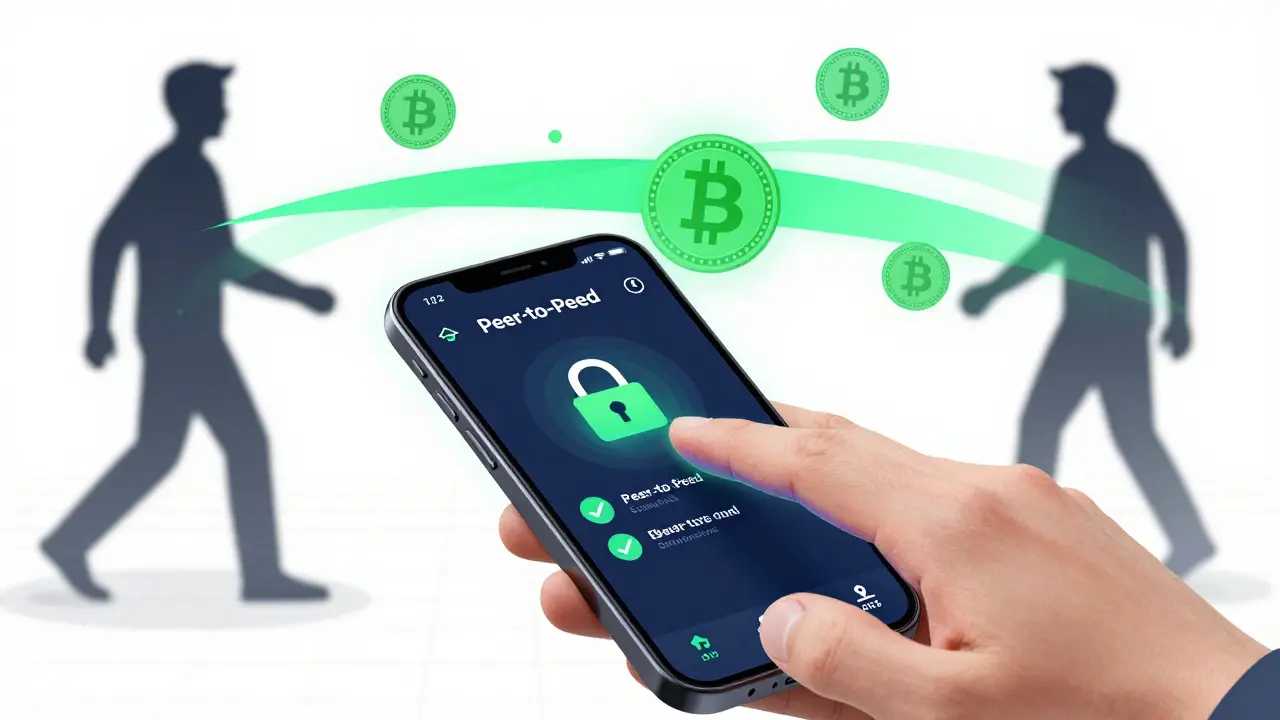
If you prefer not to send money directly to an exchange’s corporate bank account, P2P trading is your best option. Platforms like Binance, Bybit, and formerly LocalBitcoins facilitate connections between buyers and sellers. You pay a person directly via bank transfer, USSD code, or mobile money, and they release the crypto to your wallet held in escrow by the platform.
Why P2P is Popular in Nigeria:
- Flexibility: Sellers often accept payments from various banks, including those that might restrict direct crypto transfers.
- Competitive Rates: Prices are set by supply and demand, often offering better rates than fixed exchange prices.
- Anonymity: While KYC is required for the platform, your transaction history shows a transfer to an individual, not a crypto company.
Step-by-Step P2P Buying Process:
- Select Your Platform: Binance P2P is currently the most liquid market in Nigeria, followed closely by Bybit. Ensure you have completed full KYC on the chosen app.
- Filter Offers: Go to the "Buy" section, select NGN as your currency, and choose your preferred payment method (e.g., Bank Transfer, OPay, Palmpay). Filter by "Newbie Friendly" if you are just starting out.
- Choose a Merchant: Look for merchants with high completion rates (95%+) and a large number of orders. Avoid new sellers with zero history, even if their price looks too good to be true.
- Initiate the Trade: Enter the amount of NGN you wish to spend. The platform will lock the equivalent crypto in escrow. Read the seller’s instructions carefully. They may ask you to add a specific remark in your bank transfer description.
- Make Payment: Transfer the exact amount to the seller’s bank account. Do not overpay due to fees unless instructed. Take a screenshot of the transfer confirmation.
- Confirm and Receive: Click "Transferred, Notify Seller" in the app. Wait for the seller to confirm receipt and release the crypto. Never click "Release Crypto" yourself-you are the buyer, not the seller.
Alternative Options: Aggregators and OTC Desks
For those who find P2P stressful or direct exchanges restrictive, aggregator services like Changelly offer a middle ground. Changelly connects you with verified providers who can accept NGN via Visa/Mastercard, bank transfer, or even PayPal. The process is automated: you enter your desired crypto amount, select NGN as the source, and follow the payment prompts. Note that fees here are generally higher than P2P, and transactions over $150 require stricter KYC checks.
Another niche player is Breet. While Breet is primarily known for selling crypto to Naira (OTC desk), its reputation for speed and security makes it part of the broader ecosystem. Some users buy on Binance P2P and sell on Breet for faster withdrawals, though this introduces spread costs. For pure buying, stick to the major P2P platforms or direct NGN-supported exchanges.
| Feature | P2P Trading (Binance/Bybit) | Direct Exchange (Blockchain.com) | Aggregator (Changelly) |
|---|---|---|---|
| Speed | Fast (5-30 mins) | Medium (Depends on bank clearing) | Slow (10-60 mins) |
| Fees | Low (Market-driven) | Moderate (Spread + Deposit fees) | High (Service fee + Spread) |
| Privacy | High (Peer-to-peer) | Low (Direct to exchange) | Medium |
| Bank Risk | Low (Transfer to individual) | Medium-High (Transfer to entity) | Medium |
| Best For | Daily traders, large volumes | Beginners, long-term holders | One-off purchases, convenience |
Critical Safety Tips for Nigerian Users
The freedom of P2P trading comes with responsibility. Scammers are active, and mistakes can cost you your entire investment. Follow these rules strictly:
- Never Communicate Outside the Platform: If a seller asks you to chat on WhatsApp or Telegram, cancel the trade immediately. This is the #1 way scammers operate. All communication must stay within the P2P chat window for record-keeping.
- Verify Bank Names: When sending money, double-check that the bank name matches the seller’s profile. Scammers sometimes use similar-sounding names or fake screenshots.
- Use Dedicated Accounts: Consider using a secondary bank account or a mobile wallet (like OPay or Palmpay) for crypto trades. This isolates your main salary account from potential flags or accidental links to crypto activity.
- Beware of "Payment Pending":**> Only mark the payment as sent after you see the money deducted from your balance and confirmed by your bank app. A screenshot from the seller is not enough.
- Start Small: If you are new to a platform or a specific merchant, start with a small amount (e.g., ₦5,000 - ₦10,000) to test the process before committing larger sums.

Handling Banking Issues and Freezes
Despite precautions, some users experience issues with their bank accounts being frozen or inquiries from the EFCC (Economic and Financial Crimes Commission). If this happens:
- Stay Calm and Cooperate: Provide all requested documentation. Show that you are a legitimate individual investor, not running a money laundering scheme.
- Keep Records: Maintain clear records of your P2P trades, showing that you bought crypto for personal use. Legitimate ownership is protected under current interpretations of Nigerian law.
- Legal Advice: If the situation escalates, consult a lawyer specializing in fintech or cyber law in Nigeria. Do not ignore official letters.
The key is consistency. Regular, small purchases look less suspicious than sudden, massive transfers. Diversify your buying methods so you aren't reliant on a single bank or platform.
Conclusion: Choosing Your Path
Buying crypto for fiat in Nigeria in 2026 is accessible, but it requires vigilance. For absolute beginners, Blockchain.com offers a straightforward, albeit slightly more exposed, path with direct NGN support. For experienced users seeking better rates and privacy, Binance P2P remains the king of liquidity and flexibility. Always prioritize safety over speed, verify every detail, and keep your financial footprint clean. The market is resilient, and with the right approach, you can navigate the restrictions smoothly.
Is it legal to buy cryptocurrency in Nigeria?
Yes, it is legal for individuals to own and trade cryptocurrency in Nigeria. The Central Bank of Nigeria (CBN) has restricted banks from facilitating transactions with crypto exchanges, but it has not banned citizens from holding digital assets. However, you must comply with tax obligations and anti-money laundering regulations.
Which bank is safest for crypto transactions in Nigeria?
No bank is explicitly "safe" for crypto as per CBN guidelines, but digital wallets like OPay, Palmpay, and Kuda are generally more tolerant of P2P transactions compared to traditional tier-1 banks like GTBank or Access Bank. Many users prefer using these fintech apps for smaller, frequent P2P trades to minimize risk.
Can I use my debit card to buy crypto directly?
Directly using a Nigerian debit card on most global exchanges (like Coinbase or Kraken) is difficult due to CBN restrictions. However, some platforms like Changelly or specific local brokers may accept cards. The most reliable method remains P2P trading or direct bank transfers to NGN-supported platforms like Blockchain.com.
What happens if my bank account gets frozen due to crypto?
If your account is frozen, contact your bank immediately to understand the reason. Provide proof of legitimate income and transaction records. In severe cases, you may need to cooperate with the EFCC. To prevent this, avoid large, irregular transfers and use dedicated accounts for crypto activities.
Is Binance P2P safe for Nigerians?
Binance P2P is widely used and generally safe due to its escrow system, which holds funds until both parties confirm the transaction. However, safety depends on user behavior. Always trade within the app, verify seller reputations, and never share login details or move conversations to external platforms.