Tokenomica Crypto Exchange Review: Is It Real or a Scam?
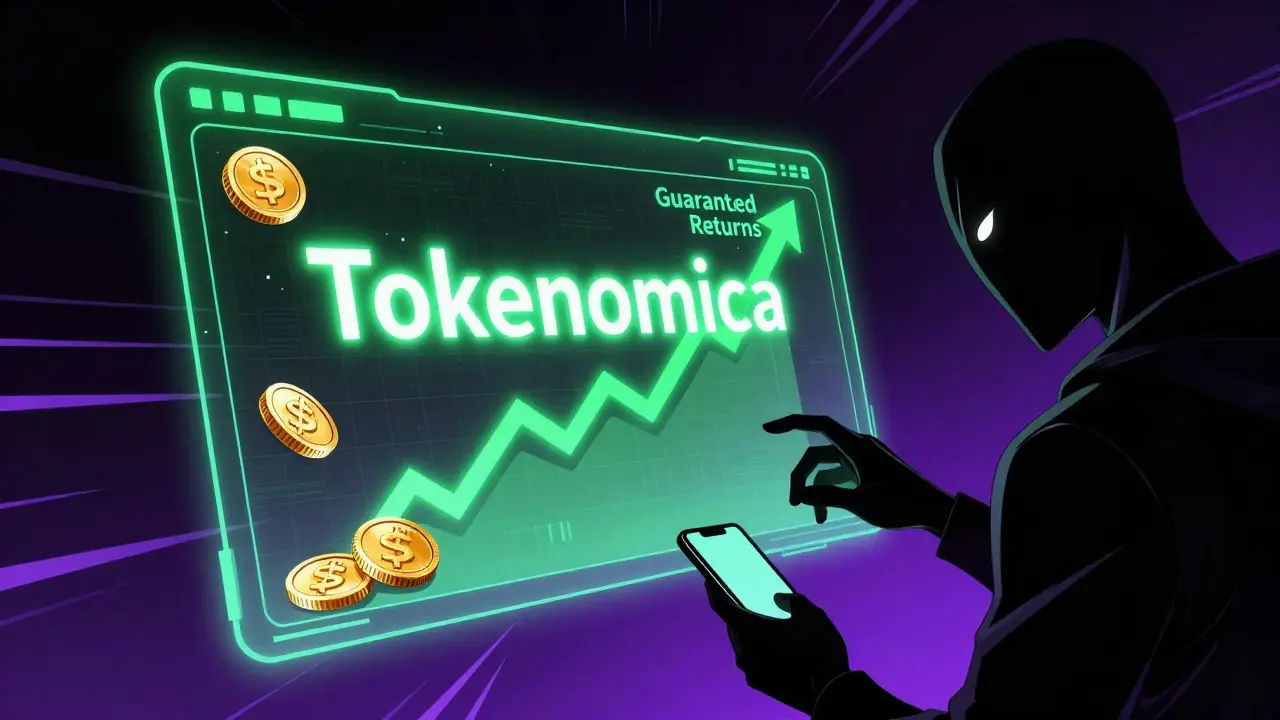
You’ve likely seen the ads. They pop up on social media feeds, promising insane returns with zero risk. The name Tokenomica is a cryptocurrency platform often marketed through aggressive affiliate campaigns but lacking regulatory oversight and verifiable operational history sounds sophisticated. It blends "token" and "economics," suggesting a smart, financially sound place to park your Bitcoin or Ethereum. But here is the hard truth that most promotional articles won’t tell you: there is no credible evidence that Tokenomica is a legitimate, regulated cryptocurrency exchange.
In the world of digital assets, trust isn't given; it's earned through transparency, regulation, and time. As of May 2026, major financial watchdogs like the SEC in the US, the FCA in the UK, and the FMA in New Zealand do not list Tokenomica as an authorized entity. This absence isn't just a paperwork issue-it’s a massive red flag. When you trade on unregulated platforms, you are essentially handing your money to a stranger in a dark room. If they decide to disappear, you have no legal recourse to get it back.
The Confusion Between Tokenomics and Tokenomica
Part of the reason this platform has gained traction is linguistic confusion. In the crypto space, we talk constantly about Tokenomics is the economic model of a cryptocurrency project, including supply, distribution, and utility mechanisms. Tokenomics refers to how a coin works-its inflation rate, vesting schedules for investors, and how rewards are distributed. It is a concept, not a company.
Scammers know this. They name their fraudulent platforms after popular industry terms to create a false sense of familiarity. By calling themselves Tokenomica, they hope you will assume they are experts in token economics. Instead, they are exploiting your interest in learning about value generation to steal your principal investment. Always check if a platform is selling a service (like an exchange) or teaching a concept (like tokenomics). Tokenomica claims to be an exchange, but its operations look more like a marketing funnel than a financial institution.
Red Flags That Signal a Fake Exchange
How can you spot these scams before you deposit a single dollar? There are specific patterns used by fraudulent exchanges like Tokenomica. Recognizing these signs can save you thousands.
- Anonymous Leadership: Legitimate exchanges like Coinbase or Kraken publish their team bios, LinkedIn profiles, and even office locations. Tokenomica has no verifiable founders. Who is behind the code? Who holds the keys? If you can’t find a person’s name attached to the CEO title, walk away.
- Guaranteed Returns: No one can guarantee profits in crypto. Markets are volatile. If a site promises "1% daily returns" or "risk-free trading bots," it is a Ponzi scheme. They pay old users with new users' money until the well runs dry.
- Aggressive Affiliate Marketing: Have friends suddenly sent you links to sign up for Tokenomica? Are influencers pushing it without showing their actual trades? These affiliates earn commissions on your deposits. Their incentive is to get you in, not to help you profit. They don’t care if you lose everything later.
- Poor Website Quality: Look closely at the site. Are there grammatical errors? Does the URL change slightly (e.g., tokenomicas.com instead of tokenomica.com)? Legit firms invest heavily in cybersecurity and professional design. Scams cut corners here because they plan to shut down soon anyway.
- Lack of Regulatory Licenses: Check the footer of the website. Do they claim to be registered in St. Vincent and the Grenadines or other offshore havens known for lax laws? Or worse, do they make vague claims like "globally compliant" without naming a specific regulator? This is meaningless fluff.
Why Regulation Matters for Your Safety
Regulation might sound boring, but it is the only thing standing between your savings and theft. Regulated exchanges must keep customer funds separate from operational funds. This means if the company goes bankrupt, your Bitcoin is still yours. Unregulated platforms like Tokenomica often commingle funds. They use your deposit to pay salaries, buy cars, or cover losses. When the market turns against them, or when they simply want to quit, they take your money with them.
In 2026, the regulatory landscape has tightened significantly. The EU’s MiCA regulation and stricter guidelines in Asia mean that legitimate players are working harder to comply. Platforms that refuse to show their licenses are doing so intentionally to hide their lack of legitimacy. Don’t let convenience override security. A few extra clicks to verify a license saves you from years of stress trying to recover stolen assets.
| Feature | Legitimate Exchange (e.g., Coinbase, Kraken) | Suspicious Platform (e.g., Tokenomica) |
|---|---|---|
| Regulatory Status | Licensed by recognized bodies (SEC, FCA, FMA) | Unlicensed or uses offshore shell companies |
| Leadership | Publicly known executives with verified backgrounds | Anonymous or fake stock photos |
| Fund Security | Cold storage, insurance, segregated accounts | Hot wallets, commingled funds, no insurance |
| Returns Promise | No guarantees; market-dependent | High-yield guarantees or "AI bot" profits |
| Withdrawal Process | Clear fees, standard processing times | Hidden fees, delays, demands for "tax payments" to release funds |

The Withdrawal Trap: How You Lose Access to Funds
The most terrifying part of using a fake exchange isn't losing money in a bad trade; it's being unable to withdraw your money at all. With platforms like Tokenomica, the initial deposit process is smooth. They want you in quickly. But once you try to pull out your profits-or even your original deposit-the walls close in.
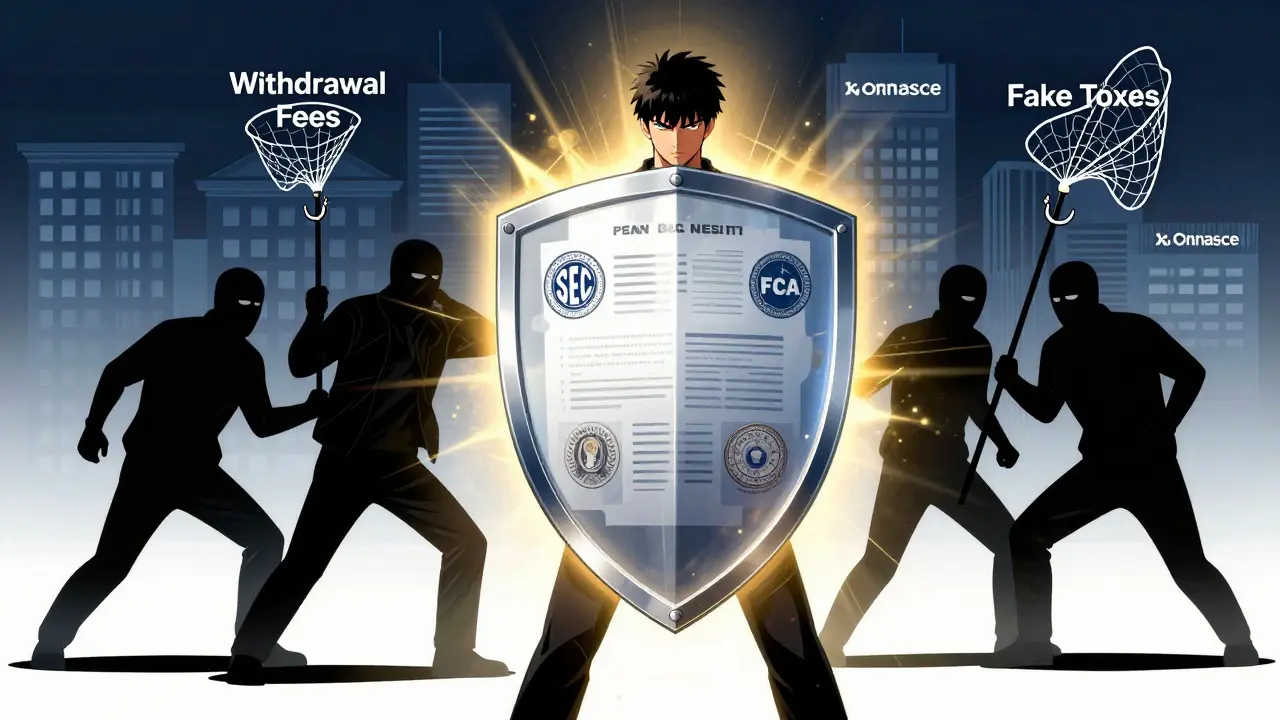
You might receive an email saying your account is under review. Then, support agents will ask for "verification documents" that seem excessive. Finally, they may demand you pay a "withdrawal fee" or "tax" directly to them to release your funds. This is a secondary scam. They know you’re desperate to get your money back, so they squeeze you for more. Never send additional money to unlock existing funds. Legitimate exchanges deduct fees automatically; they never ask for upfront payments via wire transfer or crypto to process a withdrawal.
Safer Alternatives for Trading in 2026
If you are looking for a secure place to trade, stick to established names. These platforms have survived multiple market crashes, audits, and regulatory scrutiny. They offer real liquidity, meaning you can actually buy and sell assets at fair prices.
Coinbase is a publicly traded US-based exchange known for high security and ease of use for beginners. It is ideal for those who prioritize safety and simplicity over advanced features. While fees can be higher, you are paying for peace of mind and insurance coverage.
Kraken is a veteran exchange founded in 2011, offering strong privacy protections and a wide range of altcoins. Kraken is trusted by experienced traders for its robust infrastructure and transparent proof-of-reserves audits. They regularly publish data proving they hold enough assets to cover user balances.
Binance is the world's largest exchange by volume, offering extensive tools for both beginners and pros. Despite past regulatory hurdles, Binance continues to operate globally with significant improvements in compliance. Its low fees and deep liquidity make it a top choice for active traders.
For users in New Zealand, local options like Airbit is a NZ-regulated fiat-to-crypto gateway allowing easy AUD/NZD conversions provide a seamless way to enter the market. Using local, regulated gateways reduces currency conversion risks and ensures consumer protection under local law.
What To Do If You Already Deposited Into Tokenomica
If you have already sent funds to Tokenomica, act immediately. Time is critical. First, stop sending any more money. Ignore any requests for "fees" or "taxes." Second, gather all evidence. Save screenshots of your dashboard, transaction hashes, emails, and chat logs with support. Third, report the fraud. Contact your bank or credit card issuer to dispute the charge if you used fiat currency. If you sent crypto, contact the blockchain explorer to document the transaction, though recovery is difficult. Finally, file a report with your local authorities. In New Zealand, you can report to Police Now. In the US, file a complaint with the FTC. While this doesn't guarantee recovery, it helps build cases against these operators and prevents others from falling victim.
Building Healthy Crypto Habits
Protecting yourself from scams like Tokenomica requires more than just picking the right exchange. It involves adopting healthy habits. Never share your private keys or seed phrases with anyone. Legitimate support staff will never ask for this information. Use two-factor authentication (2FA) on all your accounts, preferably using an authenticator app rather than SMS. Keep your software updated. And most importantly, diversify. Don't keep all your eggs in one basket. Use hardware wallets for long-term storage of large amounts. By treating your crypto investments with the same caution as your bank account, you stay ahead of bad actors.
Is Tokenomica a legitimate crypto exchange?
No. There is no regulatory record or credible evidence that Tokenomica is a legitimate exchange. It exhibits multiple characteristics of a scam, including anonymous leadership, guaranteed return promises, and lack of licensing.
Can I recover my money from Tokenomica?
Recovery is difficult but not impossible. Immediately contact your bank if you used fiat currency to dispute the transaction. Gather all evidence and report the fraud to local authorities. Do not pay any additional fees promised by the platform to release funds.
What is the difference between Tokenomics and Tokenomica?
Tokenomics is a term describing the economic structure of a cryptocurrency project. Tokenomica is a brand name used by a suspicious platform. The similarity in names is likely intentional to confuse users into thinking the platform is authoritative or educational.
Which crypto exchanges are safe to use in 2026?
Safe exchanges include regulated entities like Coinbase, Kraken, and Binance. For New Zealand users, Airbit is a locally regulated option. Always verify that an exchange is licensed by a recognized financial authority in your jurisdiction.
How do I identify a crypto exchange scam?
Look for red flags such as anonymous teams, guaranteed high returns, pressure to deposit quickly, poor website quality, and lack of clear regulatory licenses. If an offer seems too good to be true, it almost certainly is.
Why should I avoid unregulated crypto platforms?
Unregulated platforms do not segregate customer funds, meaning your money can be used for operational costs or stolen. They also offer no legal recourse if the platform fails or engages in fraudulent activity. Regulation provides essential consumer protections.
Does Tokenomica have an app?
While Tokenomica may claim to have an app, downloading software from unverified sources poses significant security risks. It could contain malware designed to steal your credentials or private keys. Stick to apps from official app stores associated with regulated exchanges.