What Crypto Exchanges Are Banned in Nigeria: The 2026 Reality Check
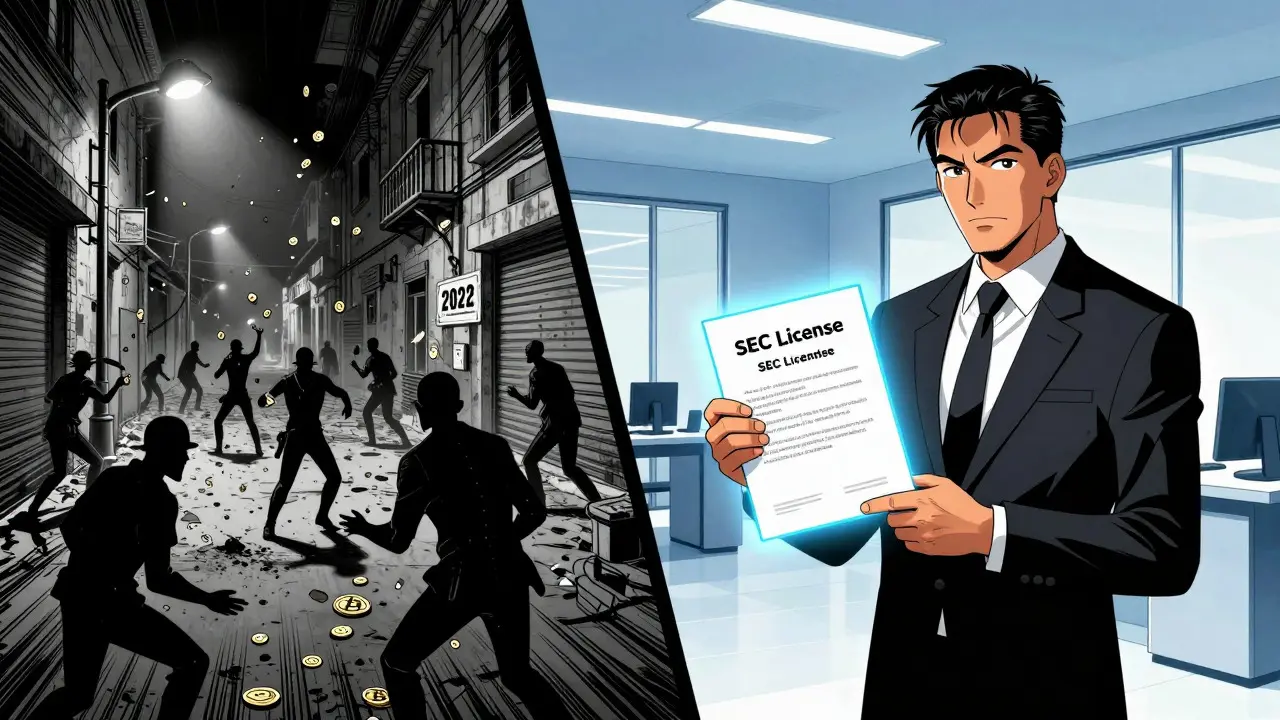
If you are trying to buy Bitcoin or trade Ethereum in Nigeria right now, you might be confused by the headlines. For years, it felt like the government was at war with cryptocurrency. But as of 2026, the situation is not about a simple list of "banned" exchanges anymore. It is about who has a license and who does not.
The short answer? There is no longer a blanket ban on all crypto exchanges. Instead, unlicensed crypto exchanges are effectively prohibited from operating legally. If an exchange does not have approval from the Nigerian Securities and Exchange Commission (SEC), it is considered illegal for Nigerian residents to use it for Naira transactions. This means platforms that ignore local laws face domain blocks, banking restrictions, and heavy fines.
The Shift from Ban to License
To understand what is banned today, you have to look at how we got here. In 2021, the Central Bank of Nigeria (CBN) issued a circular forbidding banks from servicing crypto businesses. It was a harsh move that pushed much of the activity underground. By late 2023, things changed. The new CBN governor lifted those restrictions, allowing banks to work with compliant crypto firms again.
But the real game-changer arrived in March 2025. President Bola Ahmed Tinubu signed the Investments and Securities Act (ISA) of 2025, which classifies digital assets as securities under Nigerian law. This law replaced outdated regulations from 2007 and created a clear path for regulation. Now, every Virtual Asset Service Provider (VASP)-which includes exchanges-must get a license from the SEC to operate.
This means the concept of a "banned exchange" has shifted. An exchange isn't necessarily blacklisted by name forever; rather, if it operates without a license, it is shut down through enforcement. The SEC has the power to suspend licenses, revoke approvals, and work with telecom providers to block access to unregistered sites.
Which Exchanges Are Currently Licensed?
If you want to trade safely and legally in Nigeria in 2026, you need to stick to platforms that have passed the SEC's vetting process. As of mid-2026, only a few major players have secured this status. These platforms have implemented strict Anti-Money Laundering (AML) checks and Know Your Customer (KYC) protocols.
| Exchange Name | Status in Nigeria | Key Details |
|---|---|---|
| Quidax | Licensed | One of the first domestic platforms approved by the SEC. Fully integrated with local banks. |
| Busha | Licensed | Holds a valid SEC license. Known for strong compliance and institutional-grade security. |
| Binance | Restricted / Unlicensed | Naira P2P trading suspended since Feb 2024. Domain blocked locally. Crypto-to-crypto still works via VPN. |
| Coinbase | Unlicensed | No direct Naira fiat on-ramp. Users can hold assets but face difficulties depositing NGN directly. |
| LocalBitcoins | Unlicensed | Operates in a gray area. No official SEC license. High risk of account freezes. |
Quidax and Busha stand out because they built their systems specifically to meet Nigerian regulatory demands. They offer seamless bank transfers, reliable customer support, and dispute resolution mechanisms backed by local law. Using these platforms ensures your funds are protected under the new consumer protection measures introduced by the ISA 2025.

The Case of Binance: Banned or Just Blocked?
Binance is the elephant in the room. Many Nigerians ask, "Is Binance banned in Nigeria?" The reality is nuanced. In February 2024, Binance voluntarily suspended Naira trades on its peer-to-peer (P2P) platform. Shortly after, Nigerian telecommunications companies blocked access to Binance’s domain names.
So, is it banned? Not entirely. You can still create a Binance account. You can still hold Bitcoin there. You can even withdraw crypto to a private wallet. However, you cannot easily deposit or withdraw Nigerian Naira directly through official channels. To use the site, most users rely on Virtual Private Networks (VPNs) to bypass the domain blocks.
This creates a functional restriction. While not a total prohibition on holding assets, the inability to convert Naira to crypto smoothly makes Binance difficult to use for daily transactions. The SEC views Binance as an unlicensed entity in Nigeria, meaning it operates outside the legal framework. If you use it, you do so at your own risk, knowing that your bank might flag transactions linked to unlicensed VASPs.
Penalties for Using Unlicensed Platforms
Why should you care about licenses? Because the stakes are higher than ever. The Nigeria Tax Administration Act (NTAA) 2025, which took effect in stages leading up to 2026, introduced teeth to the regulatory framework. While the primary targets are the exchanges themselves, users are not immune to collateral damage.
For exchanges, the penalties are steep. Defaulting VASPs face initial fines of ₦10 million ($6,693) for the first month of non-compliance, plus ₦1 million ($669) for every additional month. This financial pressure forces many smaller, offshore exchanges to exit the market or seek licensing.
For users, the risk comes from banking rails. Banks are required to monitor transactions closely. If you send money to an unlicensed exchange, your bank account could be frozen pending investigation. The Economic and Financial Crimes Commission (EFCC) and the Nigerian Financial Intelligence Unit (NFIU) share data with banks to track suspicious flows. Using an unlicensed platform doesn't just mean poor customer service; it means potential legal scrutiny and lost funds if the exchange collapses or gets shut down abruptly.

How to Stay Compliant in 2026
Navigating the crypto landscape in Nigeria requires a shift in mindset. Gone are the days of anonymous, unregulated trading. Here is how to stay safe:
- Stick to SEC-Licensed Platforms: Use Quidax, Busha, or any new exchange that publicly displays its SEC license number. This ensures your deposits and withdrawals go through regulated banking channels.
- Avoid Gray-Area P2P Deals: While peer-to-peer trading offers flexibility, using unverified sellers on unlicensed platforms increases fraud risk. Licensed exchanges provide escrow services that protect both buyers and sellers.
- Use VPNs Cautiously: If you must access international platforms like Binance for specific tokens, use a reputable VPN. Understand that this is a technical workaround, not a legal shield. Do not expect recourse if something goes wrong.
- Keep Records: With the NTAA 2025 enforcing tax compliance, keep detailed records of your transactions. You may need to report gains or losses, especially if you trade frequently.
- Watch for New Licenses: The SEC continues to review applications. Keep an eye on official announcements for new licensed entities. More international players may join the fold as the regulatory sandbox matures.
The Future of Crypto Regulation in Nigeria
Nigeria’s approach in 2026 represents a middle ground between total prohibition and wild west freedom. By requiring licenses, the government aims to capture tax revenue, prevent money laundering, and protect consumers from scams. Between July 2024 and June 2025, Nigeria received an estimated $92.1 billion in cryptocurrency value, proving that bans don’t stop adoption-they just push it underground.
The ISA 2025 also brings clarity to other areas. Investment-focused NFTs are now treated as securities, meaning platforms selling them need oversight. Artistic NFTs remain largely unaffected. Ponzi schemes are explicitly banned, giving regulators stronger tools to investigate and prosecute fraudsters.
As we move through 2026, expect more international exchanges to apply for Nigerian licenses. The market is too big to ignore. For now, however, the distinction is clear: licensed equals legal, and unlicensed equals risky. Choose wisely, because in the world of crypto, your license is your safety net.
Is Binance completely banned in Nigeria?
No, Binance is not completely banned, but it is heavily restricted. Naira P2P trading was suspended in February 2024, and the website is blocked by local ISPs. Users can still access their accounts and hold crypto, often using VPNs, but cannot easily deposit or withdraw Nigerian Naira through official banking channels.
Which crypto exchanges are legal in Nigeria in 2026?
As of 2026, the primary legally licensed exchanges are Quidax and Busha. These platforms have obtained formal approval from the Nigerian Securities and Exchange Commission (SEC) and comply with all AML and KYC requirements.
What happens if I use an unlicensed crypto exchange?
Using an unlicensed exchange carries significant risks. Your bank account may be frozen if transactions are flagged as suspicious. Additionally, you lack consumer protection under the ISA 2025, meaning if the exchange fails or commits fraud, recovering your funds will be difficult.
Did the Central Bank of Nigeria lift the crypto ban?
Yes. In late 2023, the CBN lifted the previous directive that prohibited banks from servicing crypto businesses. This allowed for the current licensing regime where banks can interact with SEC-approved crypto exchanges.
Are NFTs regulated in Nigeria?
Yes, but selectively. Under the ISA 2025, investment-focused NFTs are classified as securities and require regulatory oversight. Purely artistic or collectible NFTs are generally not subject to the same strict securities regulations.