What is AI Voice Agents (AIVA) Coin? A Detailed Analysis
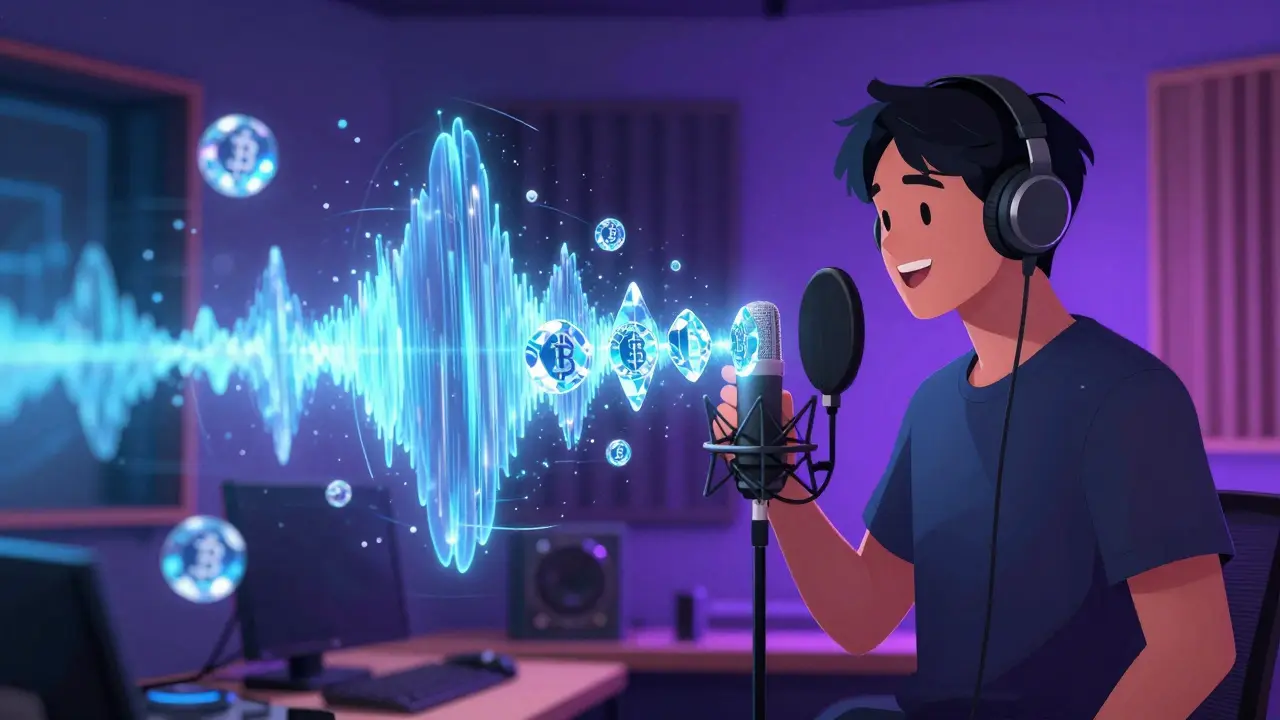
Imagine a world where a voice actor can lease their unique vocal tone to a company for an AI assistant, receiving royalties every time that voice is used. This is the core promise of AI Voice Agents is a cryptocurrency token designed to power a blockchain-based platform for creating, licensing, and monetizing personalized AI voice models. Also known as AIVA, the project aims to shift the power from big corporations to the actual owners of the voices. But if you're looking at the charts today, you'll see a very different story than the one told in the marketing brochures.
For most people, the real question isn't just what AIVA does, but whether it's actually functional or just another speculative token. While the idea of voice monetization is a legitimate business opportunity, the actual market performance of the AI Voice Agents token suggests a project struggling to find its footing in a crowded AI blockchain landscape.
How AIVA Actually Works (The Theory)
In theory, AIVA solves a massive problem in the creator economy. Right now, if a voice actor sells their voice to a studio, they often lose control over how that voice is used. AIVA attempts to fix this by using Blockchain technology to create a transparent ledger of ownership. When a user creates a custom talking agent, the blockchain tracks who owns the underlying voice model and ensures the correct person gets paid.
The token operates as an ERC-20 token, which is a standard for tokens on the Ethereum network, but AIVA specifically lives on the Base blockchain. Base is a Layer 2 network developed by Coinbase, which usually means lower fees and faster transactions than the main Ethereum chain. This choice was likely intended to make small micropayments for voice licensing feasible.
The Hard Numbers: Tokenomics and Market Data
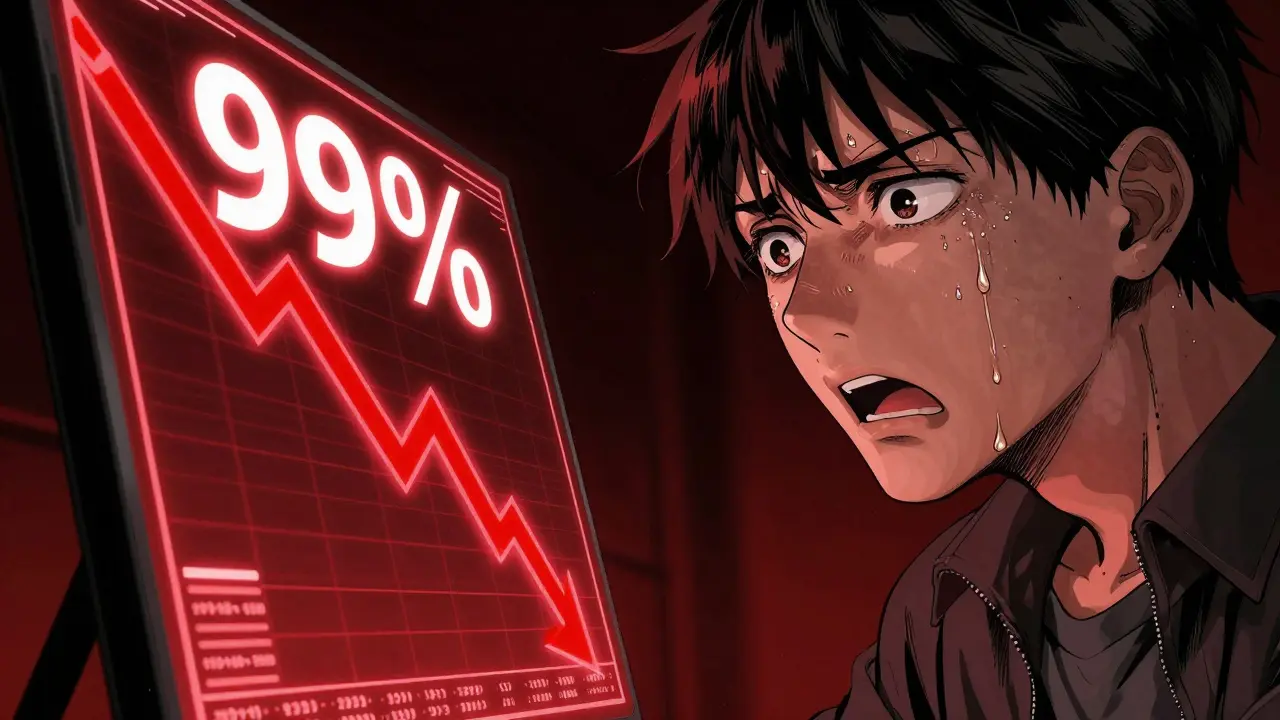
To understand the risk associated with AIVA, you have to look at the numbers. The project has a fixed total supply of 1 billion tokens. However, there is a massive gap between the promised value and the current reality. If you bought in during the public sale at $0.022 per token, the current price (around $0.00001355) represents a staggering loss of over 99% of your investment.
| Attribute | Value / Detail |
|---|---|
| Total Supply | 1,000,000,000 AIVA |
| Circulating Supply | ~236 - 240 Million |
| Blockchain Network | Base (Layer 2) |
| All-Time High (ATH) | $0.0171 |
| Current Market Cap | $5,100 - $62,000 (Varies by source) |
| Primary Exchange | Gate.io |
One of the biggest red flags for any investor is the discrepancy in reported data. Depending on whether you check CoinGecko or CoinMarketCap, the market cap and trading volume vary wildly. When different data aggregators can't agree on a token's value, it usually points to extreme liquidity issues-meaning there aren't enough buyers and sellers to establish a stable, agreed-upon price.
AIVA vs. AI Blockchain Giants
It's easy to get swept up in the "AI hype," but there is a huge difference between a micro-cap project and an established ecosystem. When we compare AIVA to projects like Fetch.ai (FET) or SingularityNET (AGIX), the scale is almost comical. While those projects have market caps in the billions and thousands of active developers, AIVA's total valuation is barely enough to buy a mid-range car.
The key difference is the scope. FET and AGIX focus on general-purpose AI agents and decentralized marketplaces for any AI service. AIVA tried to carve out a niche specifically in voice. While being a "niche" player can sometimes be a winning strategy, it only works if you have a working product. In AIVA's case, there is very little evidence of people actually using the platform to monetize voices in the real world.
The Risks: Why This is High-Stakes Gambling
If you're thinking about buying AIVA, you need to be aware that this isn't an investment in the traditional sense; it's a high-risk bet. There are several critical issues that a cautious trader should note:
- Anonymous Team: The project was founded by an anonymous team. In the crypto world, "anon" teams are common, but they provide zero accountability if the project disappears.
- Liquidity Traps: Many users have reported difficulty selling their tokens. When liquidity is low, a single large sale can crash the price by 50% or more instantly.
- Stagnant Development: There is a noticeable lack of technical documentation or active GitHub repositories. A blockchain project without a visible code-base is essentially just a marketing campaign.
- Price Depreciation: Trading nearly 99.9% below its all-time high is a signal that the market has almost entirely rejected the token's original value proposition.
Most of the activity around AIVA appears to be limited to "pump and dump" cycles, where the price spikes briefly due to social media noise and then crashes as early investors exit their positions. This pattern is common among micro-cap tokens that lack a functional product.

Potential Use Cases and a Glimpse of Hope
Despite the bleak numbers, the underlying *idea* of AIVA is actually quite strong. The voice AI market is growing rapidly, with synthesis tools becoming a standard part of content creation. If AIVA were to actually deliver a working marketplace, it could serve several groups:
- Voice Actors: They could create a "digital twin" of their voice and earn passive income without having to spend hours in a recording studio for every new project.
- Game Developers: Indie studios could license high-quality, unique AI voices for NPCs (non-player characters) without paying exorbitant studio fees.
- Brands: A company could create a consistent, branded AI voice for all its customer service bots and ensure the rights are legally managed on-chain.
However, these are theoretical benefits. For these to happen, the project needs a complete pivot, new leadership, and a transparent roadmap-none of which have appeared in official channels as of early 2026.
Is AIVA coin a safe investment?
No, AIVA is considered a high-risk, speculative micro-cap token. With a price drop of over 99% from its all-time high and very low liquidity, there is a significant risk of losing your entire investment. It should not be confused with stable or established AI projects.
Where can I buy and sell AIVA?
AIVA is primarily traded on the Gate.io exchange and some decentralized exchanges on the Base network, such as Uniswap V2 (Base) and Aerodrome. Because it is not listed on major exchanges like Coinbase or Binance, trading can be more difficult for beginners.
What makes AIVA different from other AI coins?
While most AI coins focus on general computing power or broad AI agents, AIVA specifically targets the monetization of voice models. It aims to give voice owners a way to license their vocal patterns using blockchain smart contracts.
Why is the price of AIVA so low?
The price collapse is likely due to a combination of poor tokenomics, a lack of a functional product, and the general market trend where many micro-cap AI tokens fail after the initial hype dies down.
Is the AIVA project still active?
There is very little evidence of recent activity. There have been no major technical updates, official partnerships, or community-driven developments reported in recent months, suggesting the project may be stagnant.
What to do if you hold AIVA
If you already own AIVA tokens, your options depend on your risk tolerance. For those who cannot afford any more losses, attempting to sell on an exchange with the highest volume (like Gate.io) is the most logical step, though you should be prepared for "slippage," where the price drops while your order is being filled.
For those who are gambling on a "moonshot" recovery, the only path forward is a massive project pivot. Keep an eye on the Base blockchain explorers for any new smart contract deployments. If the team remains anonymous and silent, the likelihood of a recovery is slim. As always in crypto, never put in more money than you are 100% comfortable losing, especially with micro-cap tokens that lack transparency.
