What is BendDAO (BEND)? NFT Lending Protocol Explained
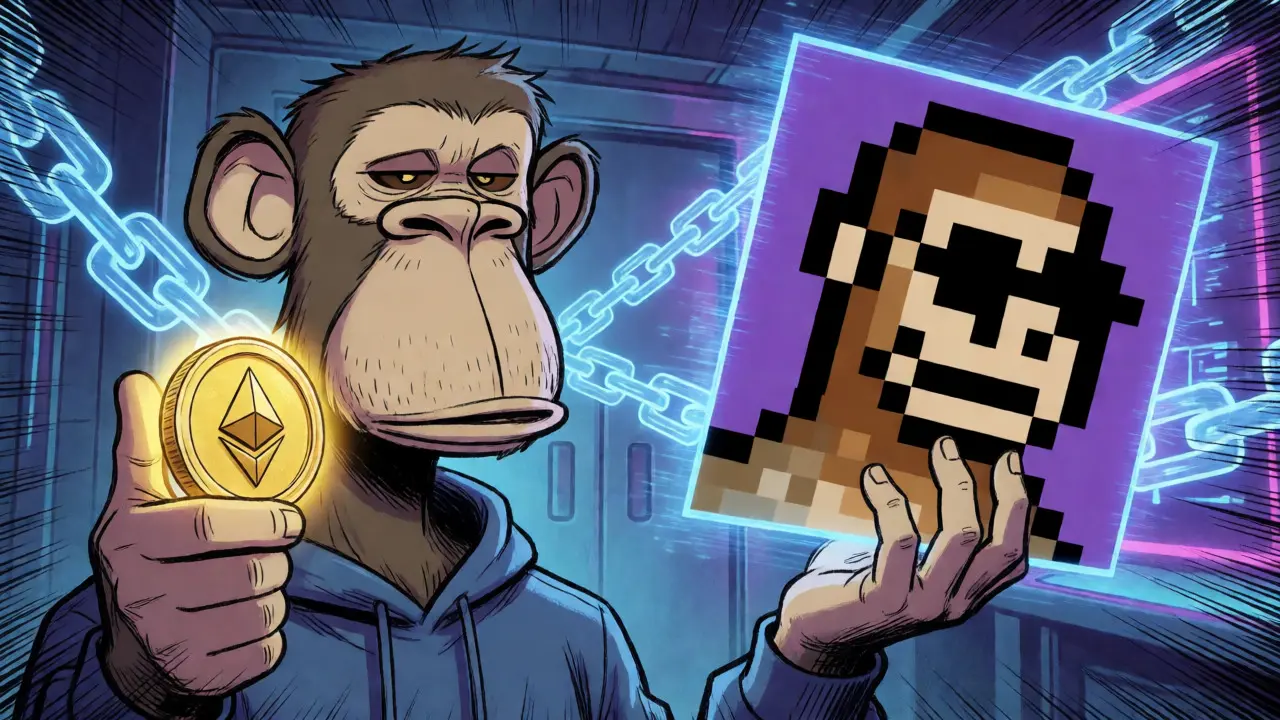
Ever held a rare Bored Ape or a CryptoPunk and wished you could borrow cash against it without selling? That’s the exact problem BendDAO solves. It’s an Ethereum-based NFT liquidity and lending protocol that lets you use your non-fungible tokens as collateral to secure loans in ETH. Launched back in August 2021 with backing from heavy hitters like Peter Thiel and Founders Fund, BendDAO aims to be the bridge between static digital art and active financial utility.
If you’ve been lurking in crypto Twitter or Discord servers, you’ve probably seen the BEND token mentioned. But what does it actually do for you? Is it just another governance token, or does it hold real value in the DeFi ecosystem? This guide breaks down how BendDAO works, why it matters, and where it stands in today’s market.
The Core Problem: Illiquid Assets
Traditional finance has mortgages; you put up your house, get cash, and keep living there. Crypto didn’t have this for years. If you wanted cash for your NFT, you had to sell it. Period. This created a massive friction point for collectors who believed their assets would appreciate long-term but needed short-term liquidity.
BendDAO introduced a peer-to-pool lending model to fix this. Instead of finding a specific lender to match with you (like on older platforms such as NFTfi), you deposit your NFT into a smart contract pool. The protocol instantly gives you ETH based on the collection’s floor price. You can then repay the loan later to reclaim your asset. It’s essentially a pawn shop for digital collectibles, but run by code rather than a guy behind a counter.
How BendDAO Works: The Mechanics
Understanding the mechanics helps you avoid getting liquidated during a market dip. Here is the step-by-step flow when you use the protocol:
- Deposit Collateral: You connect your wallet and deposit an eligible NFT (like a Azuki or Doodle). The protocol mints a "bound" version of your NFT called a bNFT. This bNFT holds your original metadata but is locked inside the contract.
- Receive Loan: You receive ETH in return. The maximum loan amount is typically around 43% of the collateral value, though this varies by risk profile.
- Maintain Position: While your NFT is locked, you still technically own it via the bNFT. Crucially, if the original NFT project drops an airdrop, you can claim it because the protocol supports "Flash Claims." This allows you to temporarily retrieve the original NFT within a single transaction to interact with external contracts.
- Repay or Liquidate: You must repay the principal plus interest to unlock your NFT. If the value of your collateral drops significantly, you face liquidation.
A standout feature here is the 24-hour repayment window. Unlike many competitors that liquidate you instantly when your health factor dips below a threshold, BendDAO gives you a grace period. If the market crashes and your loan becomes undercollateralized, you have 24 hours to top up your collateral or repay the debt before the auction process begins. This buffer saved many users during the volatility spikes of 2022.
The BEND Token: Utility and Value
Now, let’s talk about the BEND token itself. Many newcomers assume holding BEND gives them direct ownership of the protocol’s revenue, but it’s more nuanced than that. BEND serves three primary functions:
- Governance: Holders can vote on key parameters, such as which new NFT collections are supported, interest rate adjustments, and changes to liquidation thresholds. For example, after the liquidation crisis in August 2022, BEND holders voted to lower the liquidation threshold to protect borrowers.
- Incentives: Liquidity providers (those who supply ETH to the lending pools) earn BEND rewards alongside the interest they generate. This encourages deep liquidity, ensuring borrowers can always access funds.
- Staking: Users can stake BEND to earn additional yields or participate in specific ecosystem activities, though the primary yield source remains the lending interest paid by borrowers.
As of late 2023 data, the token’s market cap hovered around $388K with a circulating supply of roughly 2.9 billion. Its all-time high was $0.13, meaning it has faced significant downward pressure alongside the broader NFT market slump. Don’t expect moonshots purely from hype; the token’s value is tied directly to the volume of loans issued through the platform.
BendDAO V2: Modular Evolution
The original version of BendDAO was straightforward, but the team recognized that one-size-fits-all doesn’t work for every NFT. Enter BendDAO V2, a modular architecture designed to offer more flexibility. Key upgrades include:
| Feature | V1 (Classic) | V2 (Modular) |
|---|---|---|
| Risk Management | Global settings per collection | Custom Risk Profiles per user/collection |
| Liquidity Model | Single pool | Cross & Isolated Margin capabilities |
| New Utilities | Basic Lending/Borrowing | PayFi, Yield Market integration |
The introduction of PayFi and Yield Market components means the protocol is trying to expand beyond simple loans. They want to become a comprehensive financial hub for Web3 users, allowing for more complex strategies like leveraged NFT trading.
Risks and Criticisms
No protocol is perfect, and BendDAO has its share of scars. The biggest criticism centers on its reliance on floor prices for valuation. If a whale dumps a large portion of a collection, the floor price plummets. Since BendDAO uses this aggregate metric rather than individual asset appraisal, everyone using that collection as collateral gets hit simultaneously.
This dynamic caused chaos in August 2022. During a sharp market drop, many users couldn’t repay their loans fast enough. The resulting auctions flooded the market with liquidated NFTs, driving prices down further-a classic death spiral. Security audits by firms like MixBytes have also pointed out centralization risks in the oracle system, noting that admin-controlled price feeds could theoretically be manipulated if not carefully monitored.
Furthermore, the token’s performance has lagged behind competitors. With a market cap significantly lower than giants like Blur or even established players like NFTfi, BEND struggles to attract new capital. The community sentiment reflects this; while early adopters praised the UX, recent discussions focus heavily on whether the token has any future upside given the current bearish trend in NFT activity.
Who Should Use BendDAO?
You don’t need to be a DeFi expert to use BendDAO, but you should understand the risks. It’s best suited for:
- Long-term Holders: People who believe their blue-chip NFTs will appreciate over years but need temporary cash for other investments or expenses.
- Airdrop Hunters: Users who want to keep their NFTs staked or listed while still claiming airdrops via the Flash Claim feature.
- Arbitrageurs: Traders who use leverage to buy more NFTs when they anticipate a quick rebound in floor prices.
If you’re new to this, start small. Deposit a low-value NFT first to test the water. Monitor your Health Factor closely-this is the ratio of your collateral value to your loan amount. If it drops too close to the liquidation threshold, add more collateral immediately. Don’t rely solely on the 24-hour window; markets move faster than human reaction times sometimes.
Is BendDAO safe to use?
BendDAO has undergone multiple security audits by reputable firms like MixBytes. However, no DeFi protocol is immune to risk. The main dangers are smart contract bugs, oracle manipulation, and extreme market volatility leading to liquidations. Always assess your personal risk tolerance before depositing significant assets.
Can I lose my NFT on BendDAO?
Yes, if you fail to repay your loan or maintain sufficient collateral during a price crash, your NFT can be liquidated. The protocol provides a 24-hour grace period after your health factor drops below the limit, giving you time to act. If you miss this window, your NFT enters an auction process to repay the debt.
What is the difference between BEND and ETH?
ETH is the currency you borrow and repay. BEND is the native governance and incentive token of the BendDAO protocol. You pay interest in ETH, but you might earn BEND rewards if you provide liquidity to the lending pools. BEND holders also vote on protocol changes.
Does BendDAO support all NFTs?
No, BendDAO supports a curated list of high-quality, liquid NFT collections such as CryptoPunks, Bored Apes, Azuki, and Doodles. The team adds new collections based on liquidity, trading volume, and community demand. Check the official website for the current list of supported assets.
How does the Flash Claim feature work?
Flash Claim allows you to temporarily unbind your NFT within a single blockchain transaction. This lets you interact with external contracts, such as claiming an airdrop or minting a secondary token, without fully repaying your loan. The NFT returns to its bound state automatically once the transaction completes.