What is peaq (PEAQ)? The Blockchain Built for the Economy of Things
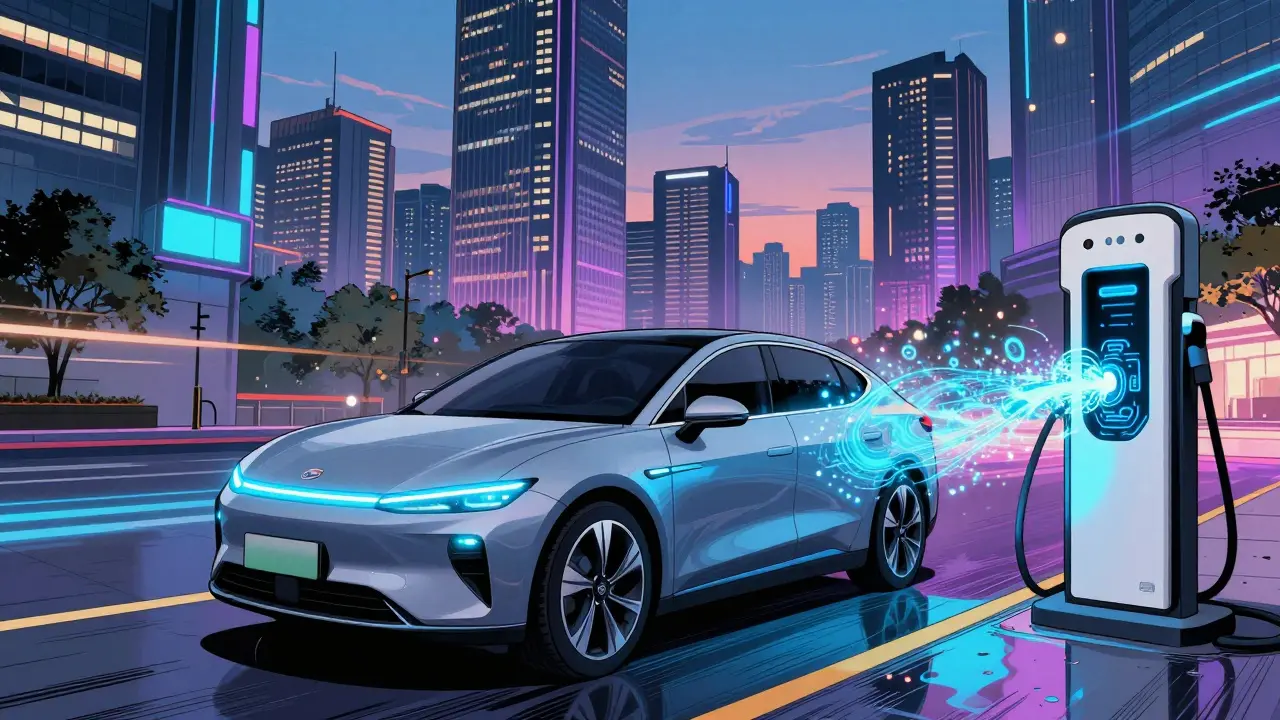
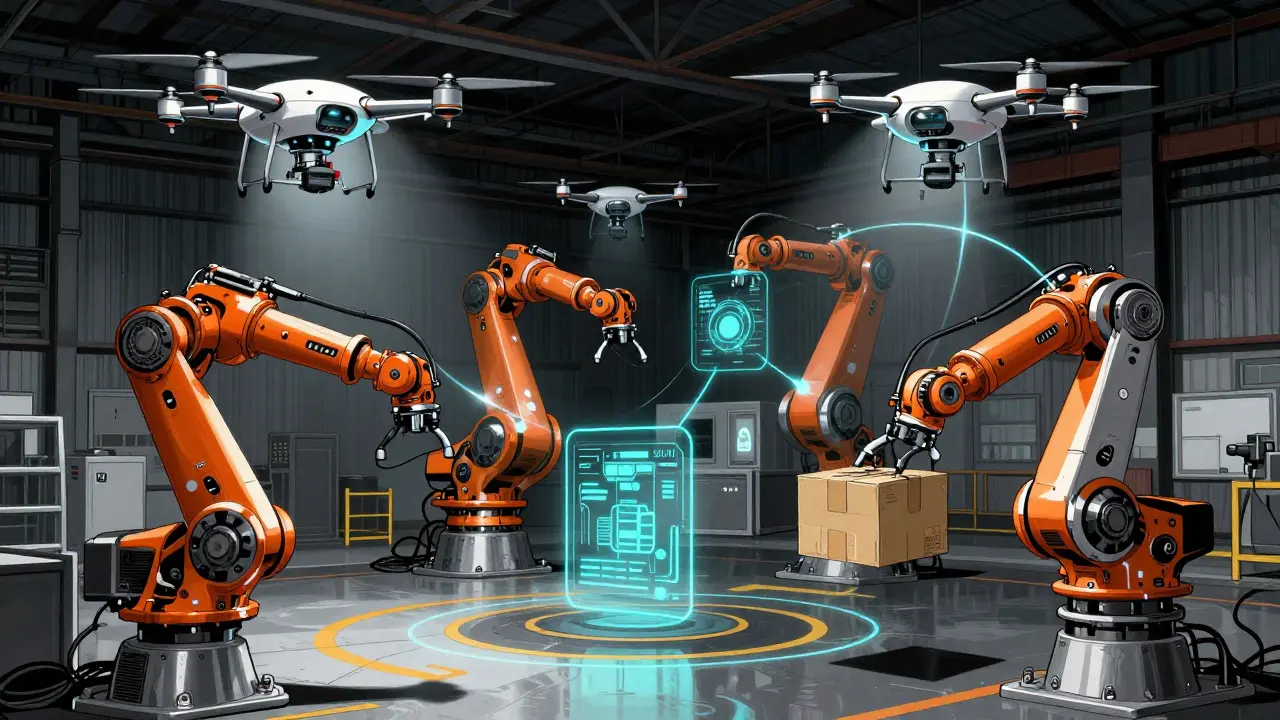
Imagine a world where your electric car pays for its own charging, or a factory robot negotiates supply chain updates without a human manager lifting a finger. This isn't science fiction anymore; it’s the core promise of peaq, a specialized Layer-1 blockchain designed for the "Economy of Things" (EoT). If you’ve been hearing buzz about Decentralized Physical Infrastructure Networks (DePINs) and Real World Assets (RWAs), peaq is likely at the center of that conversation.
But what exactly is peaq, and why does it matter to you? Unlike general-purpose blockchains like Ethereum or Solana that focus primarily on financial transactions or smart contracts for apps, peaq is built from the ground up to handle interactions between machines, devices, robots, and vehicles. It bridges the gap between the physical world and the digital ledger, enabling autonomous economic agents to transact securely and efficiently. Let’s break down how this network works, who is behind it, and whether the PEAQ token has staying power in the crypto market.
The Core Concept: Bridging IoT and Blockchain
To understand peaq, you first need to grasp the concept of the Internet of Things (IoT). Today, billions of devices are connected to the internet, sending data back and forth. However, these devices rarely interact economically. They don’t hold wallets, sign transactions, or pay for services. peaq solves this by creating a dedicated infrastructure for the Machine Economy.
Launched officially in November 2024 after seven years of development, peaq allows machines to act as independent economic agents. Through Machine-to-Machine (M2M) and Machine-to-Human (M2H) interactions, devices can autonomously execute agreements. For example, an autonomous delivery drone could automatically pay for landing fees at a specific hub, while simultaneously receiving payment from a logistics company for completing a route. All of this happens on-chain, with ultra-low transaction fees and high speed, making it viable for high-frequency microtransactions that would be impossible on slower networks.
The project was incubated by EoT Labs, a company focused on open-source Web3 projects for the machine economy. Founded in 2017 by Till Wendler, Leonard Dorlöchter, and Max Thake, the team recognized early on that existing blockchains weren’t optimized for the sheer volume and specific needs of physical infrastructure. By specializing, peaq aims to become the default operating system for decentralized physical networks.
How Does the peaq Network Work?
Under the hood, peaq utilizes a Substrate-based architecture, which places it within the broader Polkadot ecosystem. This choice provides significant interoperability benefits, allowing peaq to communicate with other chains while maintaining its specialized functions. The network employs a Delegated Proof of Stake (DPoS) consensus mechanism. Here’s why that matters:
- Energy Efficiency: Unlike Bitcoin’s Proof-of-Work, DPoS doesn’t require massive energy consumption for mining. Instead, validators and nominators secure the network through staking.
- Scalability: DPoS allows for faster block times and higher throughput, essential for handling millions of device interactions per day.
- EVM Compatibility: peaq is fully compatible with the Ethereum Virtual Machine (EVM). This means developers who already know Solidity can build on peaq without learning a completely new programming language from scratch.
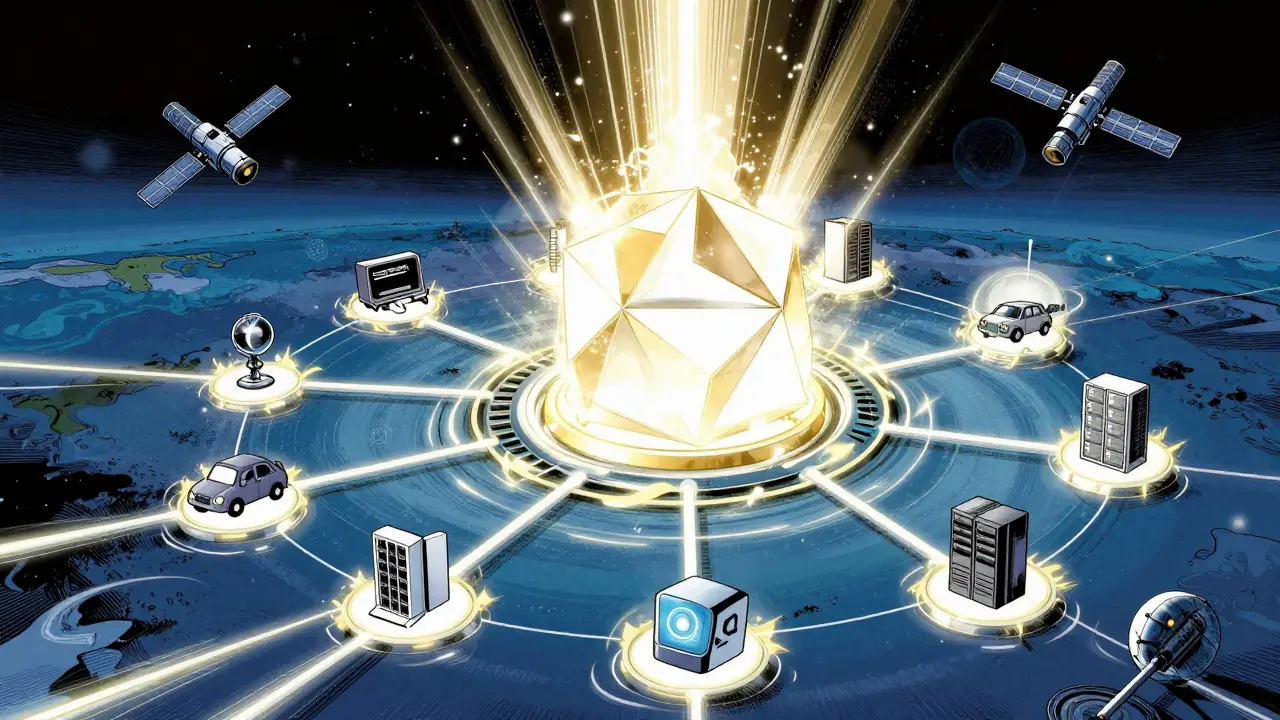
The platform offers modular DePIN functions, such as Machine IDs and DePIN Data Verification. These are essentially pre-built tools that accelerate development. Instead of coding identity verification for every single sensor or vehicle from zero, developers can plug into peaq’s existing framework. As of the network's launch, peaq hosts over 850,000 connected machines across more than 30 live DePIN projects spanning 20+ industries, including land, sea, sky, and space applications.
The PEAQ Token: Utility and Economics
The native asset of the network is the PEAQ token. It serves several critical roles within the ecosystem:
- Network Security: Holders can stake PEAQ to participate in the DPoS consensus mechanism. Validators and nominators earn rewards for securing the network.
- Governance: Token holders have a say in the future direction of the protocol through voting mechanisms.
- Transaction Fees: All interactions on the network, including machine-to-machine payments, require PEAQ to pay for gas fees. Given the low cost per transaction, this ensures spam protection without burdening users.
- Incentivization: The token is used to reward participants who contribute resources to DePINs, such as sharing bandwidth, computing power, or sensor data.
From an economic standpoint, peaq implements a disinflationary issuance model. It starts with a 3.5% annual inflation rate, which decreases by 10% each year until it hits a floor of 1%. This structure is designed to incentivize early adoption and network participation while ensuring long-term sustainability and scarcity. Unlike traditional cryptocurrencies that rely on mining, PEAQ cannot be mined; you acquire it through exchanges or earn it via staking rewards.
Market Performance and Adoption
As of mid-2026, the PEAQ token has established itself as a notable player in the crypto market. Trading data shows PEAQ moving around the $0.12 mark, with significant trading volume exceeding $14 million daily across major exchanges like Bitget, Bithumb, Gate.io, and XT. The token has shown resilience, often outperforming the broader market during volatile periods due to its unique value proposition in the DePIN sector.
Adoption metrics are equally impressive. The ecosystem has onboarded over 5 million people and machines, with more than 60 applications currently building on the platform. These applications span diverse sectors, reshaping industries from agriculture to logistics. The project’s strong institutional backing also plays a role in its credibility. In March 2024, peaq raised $15 million in venture capital from investors like Animoca Brands and Borderless Capital, followed by an additional $20 million through a token launch on CoinList in May 2024.
peaq vs. Other Layer-1 Blockchains
Why choose peaq over Ethereum, Solana, or other emerging chains? The answer lies in specialization. General-purpose blockchains are like Swiss Army knives-they can do many things but aren’t optimized for any single task. peaq is a scalpel, specifically engineered for physical infrastructure.
| Feature | peaq (PEAQ) | Ethereum (ETH) | Solana (SOL) | Alephium |
|---|---|---|---|---|
| Primary Focus | DePIN & Machine Economy | Smart Contracts & DeFi | High-Speed dApps | UTXO Scalability |
| Consensus | Delegated Proof of Stake (DPoS) | Proof of Stake (PoS) | Proof of History + PoS | Nexus of Blocks |
| Key Advantage | Modular DePIN Functions, M2M Transactions | Largest Developer Ecosystem | Extreme Speed & Low Cost | Parallel Execution |
| Ideally Suited For | IoT, Autonomous Vehicles, Sensors | Financial Apps, NFTs | Gaming, High-Freq Trading | Scalable Social/Finance Apps |
While competitors like Alephium emphasize UTXO-based scalability or Kaspa focuses on DAG-focused performance, peaq delivers practical usability through its ready-made DePIN building blocks. Its enterprise ecosystem allows DePIN projects to expand their demand side easily, something general-purpose chains struggle to facilitate without custom development.
Developer Experience and Tools
For builders, peaq removes much of the friction associated with integrating blockchain into physical hardware. The network provides a native JavaScript SDK, comprehensive documentation, and tutorials for onboarding machines. Because of its EVM compatibility, developers familiar with Ethereum tools like MetaMask and Hardhat can transition smoothly. The modular architecture means you don’t have to reinvent the wheel for common tasks like verifying sensor data or assigning digital identities to devices. This speed-to-market advantage is crucial for startups and enterprises looking to deploy DePIN solutions quickly.
Future Outlook: The Rise of Autonomous Agents
The trajectory of peaq aligns with two massive global trends: the proliferation of AI and the expansion of IoT. As artificial intelligence becomes more integrated into physical devices, the need for a trustless, transparent layer for these AI agents to operate on grows exponentially. peaq positions itself as the foundational layer for this interaction. Whether it’s smart factories managing supply chains through self-executing agreements or energy grids balancing load distribution autonomously, peaq provides the rails for this future economy. With continued institutional support and a growing base of live projects, the network is well-positioned to capture significant value as the DePIN sector matures.
Is PEAQ coin safe to invest in?
Like all cryptocurrencies, PEAQ carries risk. However, it has strong fundamentals, including $35 million in venture funding from reputable firms like Animoca Brands, a seven-year development history, and real-world utility in the growing DePIN sector. Always do your own research (DYOR) and consider your risk tolerance before investing.
Can I mine PEAQ tokens?
No, PEAQ cannot be mined. It uses a Delegated Proof of Stake (DPoS) consensus mechanism. You can acquire PEAQ through cryptocurrency exchanges or earn rewards by staking your tokens to help secure the network.
What is DePIN?
DePIN stands for Decentralized Physical Infrastructure Networks. It refers to community-built networks that coordinate physical infrastructure, such as wireless networks, sensor grids, or energy storage, using blockchain incentives. peaq is a leading blockchain specifically built to support DePINs.
Which exchanges list the PEAQ token?
PEAQ is traded on several major exchanges, including Bitget, Bithumb, Gate.io, and XT. It typically trades against USDT, offering good liquidity for both retail and institutional traders.
How does peaq differ from Ethereum?
While Ethereum is a general-purpose blockchain for smart contracts and finance, peaq is specialized for the "Economy of Things." It offers lower fees and specific tools for machine-to-machine transactions, making it better suited for IoT and physical infrastructure applications than Ethereum.
What is the total supply and inflation model of PEAQ?
PEAQ has a disinflationary model starting at 3.5% annual inflation, decreasing by 10% each year until it reaches a 1% floor. This encourages early participation while ensuring long-term token sustainability.
Who founded peaq?
peaq was founded in 2017 by Till Wendler, Leonard Dorlöchter, and Max Thake. The project was incubated by EoT Labs and launched its mainnet in November 2024.
Is peaq part of the Polkadot ecosystem?
Yes, peaq is built using the Substrate framework, which makes it part of the Polkadot ecosystem. This allows it to benefit from Polkadot’s interoperability features while maintaining its own specialized chain for machine economy applications.
Terry Hyland
June 16, 2026 AT 10:56they are watching us. this is just a way to track every move you make with your car and your home. do not trust it.
Monica Pathammavong
June 17, 2026 AT 19:11you dont understand the tech behind it its actually pretty simple if you read the whitepaper properly but most people here are too dumb to get it. i have been studying substrate for years and peaq is clearly superior because of the dpos model which means faster blocks. also the evm compatibility is huge for devs who know solidity so they can just copy paste code from eth projects without learning rust or whatever weird langauge other chains use. the inflation rate dropping by 10% each year until 1% is smart economics to prevent dumping later on. why would anyone invest in solana when peaq has actual real world utility with machines paying each other? its not just hype its infrastructure. stop being lazy and learn how blockchain works before posting nonsense.
Tim Lefebvre
June 19, 2026 AT 05:46hey there! i think you might be overthinking it a bit but its cool you are interested. the main thing is that peaq lets devices talk to each other on chain which is kinda neat for things like charging stations or sensors. no need to worry about mining since its proof of stake so its green energy friendly. hope that helps clear things up!
Jessica Lane
June 20, 2026 AT 13:51This is an incredibly insightful breakdown of the Economy of Things concept. I find myself deeply inspired by the potential for autonomous agents to streamline our daily lives without human intervention. The idea that a factory robot could negotiate supply chain updates independently is not only efficient but also liberating for workers who can then focus on more creative tasks. It is wonderful to see such innovation in the DePIN sector, and I believe this technology will foster greater collaboration across industries. Let us embrace this future with open arms and support these pioneering networks as they grow.
Danna Charris
June 22, 2026 AT 08:30Most people here don't even know what DePIN stands for. They just buy the dip and hope. If you aren't reading the documentation on Substrate architecture, you are wasting your time. Peaq is built for machines, not retail traders looking for a quick flip. Stay educated.
Fede Faith
June 23, 2026 AT 11:54I've been tracking the adoption metrics closely. Over 850k connected machines is a solid start for a network launched in late 2024. The key differentiator here is the modular DePIN functions. Developers don't need to build identity verification from scratch, which speeds up deployment significantly. This reduces friction for enterprises wanting to integrate IoT with blockchain. The disinflationary token model also aligns incentives well for long-term holders rather than short-term speculators. It seems like a sustainable approach to scaling physical infrastructure networks.
Josh Dodson
June 24, 2026 AT 01:19its really cool stuff man. i love how easy it is for devs to jump in since they can use solidity. no need to learn new langs. just plug and play with the sdk. great vibes for the community.
Suman Patil
June 25, 2026 AT 00:40bro this is next level web3 integration. the m2m transactions are game changers for logistics and energy grids. we need more decentralized physical infra networks like this to disrupt the old centralized systems. the polkadot ecosystem synergy is also a strong point for interoperability. let's gooo! 🚀
Kumaran sowkarpet
June 25, 2026 AT 19:56hello friends :) i am very happy to see such good project in india and global market. the team from eot labs did great work over 7 years. now we have live projects in agriculture and logistics. this is real utility not just meme coins. please support the development and staking rewards are nice too :) keep building!
Mauricio Contreras Loredo
June 25, 2026 AT 22:45Sure, because nothing says 'secure' like letting my toaster bid on bandwidth auctions. Oh wait, it doesn't. But hey, at least the robots will be rich while we starve. Typical tech bro fantasy.
sreeja boora
June 26, 2026 AT 04:11The integration of AI agents with physical infrastructure requires robust security protocols. While the technological advancements are notable, one must consider the implications for national data sovereignty. Foreign-controlled blockchain networks may pose risks to domestic industrial operations. It is essential to evaluate whether such platforms adhere to local regulatory standards before widespread adoption in critical sectors.