What is SOMESING (SSG)? The Blockchain Karaoke Token Explained

Imagine singing your heart out on a mobile app and getting paid in cryptocurrency for it. That is the core promise of SOMESING, a blockchain-based global mobile karaoke platform that rewards users with tokens for creating and sharing music content. But what exactly is this project, and why should you care about its native coin, SSG? Is it a legitimate innovation in the creator economy, or just another volatile micro-cap token riding the wave of crypto hype?
If you are looking to buy SSG or simply want to understand how blockchain intersects with K-Pop and social media, you need to look past the marketing buzzwords. This guide breaks down the reality of the SOMESING ecosystem, its controversial history, and where it stands in the market as of mid-2026.
The Core Concept: Singing Meets Smart Contracts
SOMESING positions itself as the world’s first blockchain-based singing content platform. Launched in 2018 by a team based in South Korea, the project aims to solve a common problem in the digital music industry: fair compensation for creators. In traditional streaming models, artists and rights holders often see only a fraction of the revenue generated by their work. SOMESING attempts to fix this using transparent, automated smart contracts.
The platform operates as a mobile karaoke app available globally. Users, referred to as "SingLovers," can record covers of songs from a catalog of over 40,000 tracks, including popular K-Pop genres. Here is how the reward mechanism works:
- Content Creation: You sing and upload a cover to the app.
- Accumulation Phase: Tokens accumulate in a dedicated "Song Wallet" through user gifts, event rewards, and co-marketing campaigns associated with that specific song.
- Distribution: Once the accumulation period ends, the smart contract automatically distributes the accumulated coins to stakeholders-singers, producers, and rights holders-based on their measured contribution.
This system removes the middleman and ensures that payouts happen without central intervention. While the concept sounds idealistic, the execution has faced significant hurdles, particularly regarding security and token migration.
From SSX to SSG: Understanding the Token Migration
One of the most confusing aspects for new investors is the change in ticker symbol. Originally, the SOMESING ecosystem revolved around the SSX token. However, by the mid-2020s, the project migrated to the current SSG token. Market data sites explicitly note that "SOMESING has migrated to SSG," meaning if you hold old SSX tokens, they may no longer be valid or tradable in the same way.
Why did this happen? The shift was largely driven by technical upgrades and a major security incident. The SSG token now operates on the KAIA (formerly known as Klaytn) blockchain infrastructure. KAIA is a Korean-origin, EVM-compatible public chain optimized for web3 applications, making it a logical choice for a Seoul-based project. This migration was intended to improve transaction speeds and reduce costs, but it also complicated the history for long-term holders.
A History Marked by Volatility and Security Breaches
You cannot discuss SOMESING without addressing its rocky past. The project has experienced extreme volatility, which is typical for micro-cap entertainment tokens, but one event stands out as a critical risk factor.
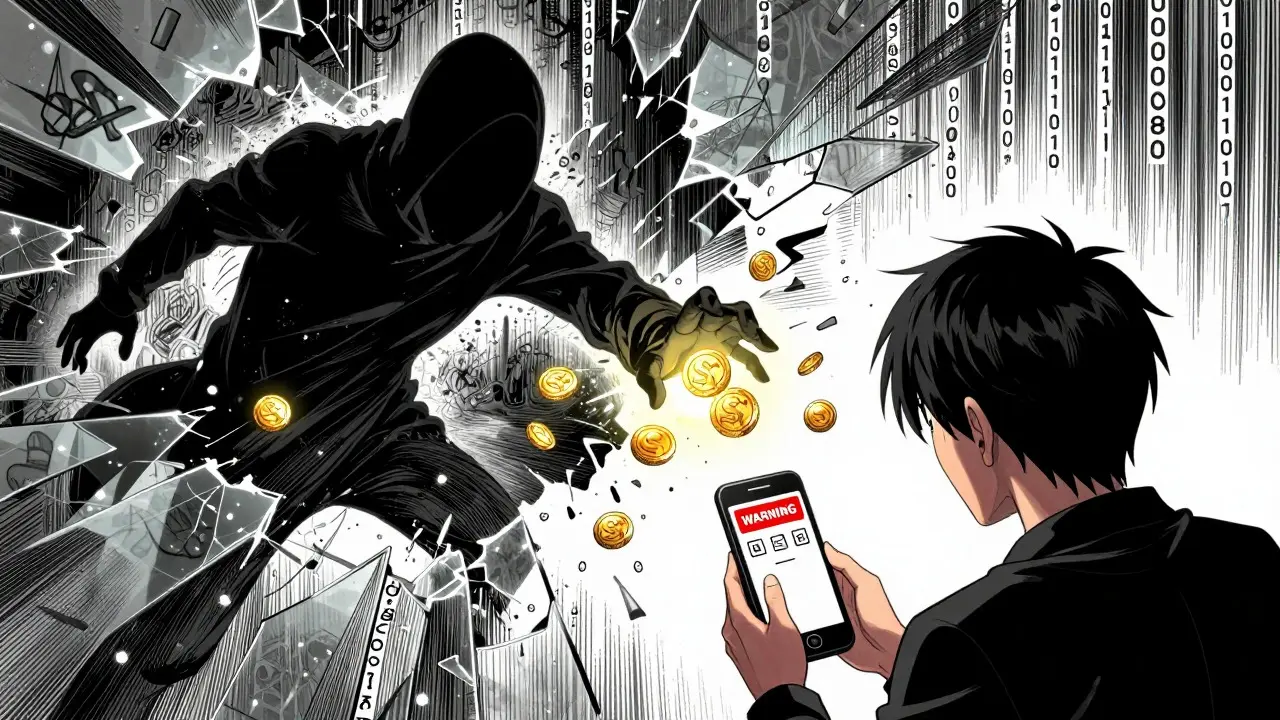
In January 2024, SOMESING suffered a massive security exploit. According to reports from The Block and Binance community news, the platform lost approximately 730 million SSX tokens, valued at around $11.58 million USD at the time. This hack triggered immediate panic. Major South Korean exchanges like Upbit, Bithumb, and Coinone halted deposits and withdrawals of SSX at Somesing’s request to contain the fallout. For a project built on trust and transparency, losing millions of dollars in a single breach severely damaged investor confidence.
Since then, the price trajectory has been steeply downward. The all-time high (ATH) for the token was roughly $0.284 USD back in April 2021. By late 2025 and early 2026, prices had crashed to fractions of a cent. As of July 2026, SSG trades between $0.00036 and $0.00038 USD. This represents a near-total drawdown from its peak, highlighting the speculative nature of the asset.
Current Market Status: A Micro-Cap Reality Check
As of August 2026, SOMESING (SSG) sits firmly in the lower micro-cap segment of the cryptocurrency market. Here are the key metrics you need to know:
| Metric | Value |
|---|---|
| Price Range | $0.00036 - $0.00038 USD |
| Market Capitalization | ~$1.0 - $1.2 Million USD |
| Circulating Supply | ~3.26 Billion - 5.0 Billion SSG |
| Max Supply | 6,000,000,000 SSG |
| Blockchain Network | KAIA / Klaytn |
| Global Rank | #2093 - #2126 |
Notice the discrepancy in circulating supply figures across different data providers like CoinGecko, HTX, and CoinCarp. This variation is common in thin-liquidity markets and reflects ongoing vesting dynamics or reporting lags. With a daily trading volume often below $20,000 USD, liquidity is extremely low. This means large buy or sell orders can cause drastic price swings, making it risky for anyone looking to park significant capital here.

How to Buy and Trade SSG
If you decide to take the plunge despite the risks, you need to know where to find SSG. Unlike Bitcoin or Ethereum, you won’t find SSG on every major exchange. It is not tradable directly on Coinbase, for example. Instead, you will need to use centralized exchanges that support smaller altcoins.
- Choose an Exchange: Gate.io is currently the most popular venue for SSG/USDT pairs. HTX also lists active markets for SSG/USD.
- Set Up a Wallet: Since SSG runs on the KAIA/Klaytn network, you need a compatible wallet. Popular options include Kaia Wallet or other EVM-compatible wallets that support Klaytn networks.
- Buy USDT or USD: Deposit fiat currency or stablecoins into your exchange account.
- Execute the Trade: Search for the SSG pair and place your order. Be mindful of spreads; due to low volume, the difference between buy and sell prices can be wide.
Remember, buying SSG is not just about holding a coin; it’s betting on the continued adoption of the SOMESING app. If the user base shrinks, the utility of the token diminishes further.
Is SOMESING Worth Your Attention?
SOMESING occupies a unique niche at the intersection of music, social media, and blockchain. Its value proposition-fair, transparent rewards for karaoke singers-is compelling in theory. The integration with the vibrant K-Pop fan economy gives it a dedicated, albeit small, audience. The whitepaper outlines a sophisticated conceptual design for contribution-based rewards, showing that the architects put thought into aligning token flows with user behavior.
However, the practical realities are harsh. The 2024 hack remains a stain on its reputation, raising questions about security protocols. The price action since 2021 shows a classic boom-and-bust cycle, with little recovery in sight. Compared to larger, better-capitalized entertainment tokens or DeFi projects, SOMESING lacks institutional backing and deep liquidity. It competes in the "long tail" of listed tokens, where survival depends entirely on community engagement and speculative interest.
For casual karaoke enthusiasts who don't mind crypto complexity, the app offers free access to thousands of tracks and a fun social experience. For investors, SSG is a high-risk, high-volatility play. It might offer outsized returns if the platform sees a sudden surge in adoption, but it carries the very real possibility of further depreciation given its current market cap and historical performance.
What happened to the SSX token?
The SSX token was the original native currency of the SOMESING platform. Due to technical upgrades and a major security exploit in January 2024 where millions of SSX were stolen, the project migrated to the SSG token. SSX is largely considered obsolete for new trading, and investors should focus on SSG, which operates on the KAIA/Klaytn blockchain.
Can I buy SOMESING (SSG) on Coinbase?
No, SOMESING (SSG) is not currently tradable directly on Coinbase. While Coinbase may track the price for informational purposes, you will need to use other centralized exchanges like Gate.io or HTX to buy or sell SSG tokens.
Is SOMESING safe to invest in?
Like any micro-cap cryptocurrency, SOMESING carries high risk. The project suffered a significant hack in 2024, losing over $11 million worth of tokens. Additionally, its low liquidity and high volatility mean prices can swing dramatically. It is essential to do your own research and only invest what you can afford to lose.
How does the SOMESING app reward users?
Users earn rewards through a "Song Wallet" system. When people listen to or gift your karaoke covers, tokens accumulate in the wallet. After a set period, smart contracts automatically distribute these tokens to contributors (singers, producers, etc.) based on their level of involvement, ensuring transparent and fair payouts without manual intervention.
Which blockchain does SOMESING use?
SOMESING operates on the KAIA blockchain, formerly known as Klaytn. This is an EVM-compatible public chain developed in South Korea, chosen for its speed and suitability for web3 applications, particularly those targeting the Asian market.