YOOSHI SHIB ARMY NFT Airdrop: Complete Details & Claiming Guide
Remember the chaotic energy of May 2021? That was the peak of the crypto bull run when every notification felt like a potential fortune. For many Shiba Inu holders, the YOOSHI SHIB ARMY NFT airdrop was one of those moments that required quick action and precise wallet management. If you are looking for details on this specific event, you have come to the right place. The window to claim these tokens has long closed, but understanding how it worked is crucial for anyone navigating the history of the Shiba Inu ecosystem or preparing for future similar campaigns.
This article breaks down exactly what the YooShi airdrop was, who qualified, and how the claiming process functioned. We will also look at why these mechanics matter today as the Shiba Inu project evolves into more complex DeFi structures.
What Was the YOOSHI SHIB ARMY NFT?
To understand the airdrop, we first need to define the entity behind it. YooShi is a community-driven project within the broader Shiba Inu ecosystem designed to reward loyal holders with exclusive digital assets. It was not just another random token drop; it was a strategic move to strengthen the bond between the project and its most active supporters.
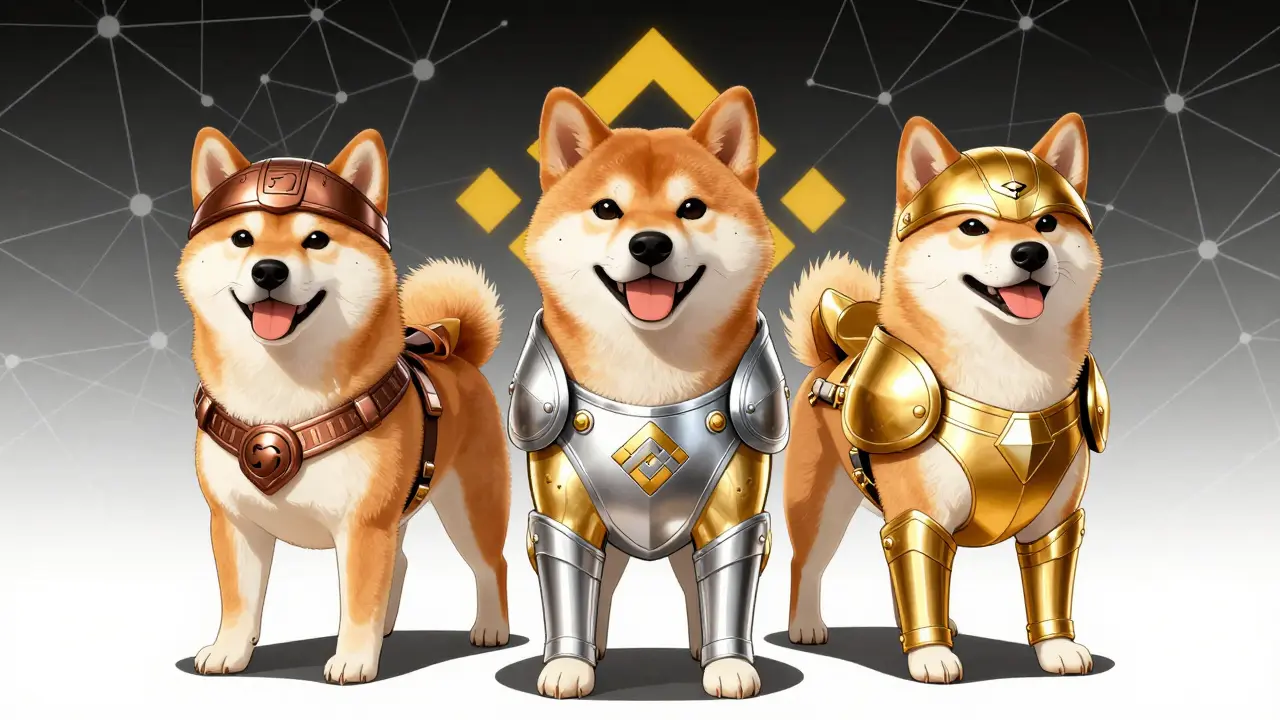
The core offering was the SHIB ARMY NFT collection. These were non-fungible tokens minted on the Binance Smart Chain (BSC), rather than Ethereum. This choice was significant because BSC offered lower gas fees during that period, making it accessible for smaller holders to participate without paying exorbitant transaction costs. The collection featured a tiered rarity system, including Bronze, Silver, and Gold editions. This structure mimicked successful gaming economies where higher-tier items offer greater prestige or utility.
The total supply associated with the broader YooShi ecosystem was massive, reported at over 45 trillion tokens. However, the NFT airdrop itself was a limited distribution event meant to identify and reward early adopters. By distributing these NFTs, YooShi aimed to create a verified group of "army members" who had proven their commitment to the community.
Airdrop Timeline and Key Dates
Timing was everything in this campaign. The airdrop did not happen instantly; it followed a strict schedule that participants needed to adhere to. Here is the timeline of events that defined the YooShi SHIB ARMY airdrop:
- Promotion Phase: Leading up to late May 2021, announcements were made via the YooShi Official Telegram Channel. Posts included countdowns such as "5 Days left to join #YOOSHI's SHIB ARMY," creating urgency among the community.
- Claiming Start: The official claiming window opened at 1:00 PM UTC on May 27, 2021.
- Claiming End: The window closed sharply at 1:00 PM UTC on May 31, 2021.
- Duration: Participants had exactly four days to complete the process. Missing this deadline meant missing out entirely, as no retroactive claims were processed.
This four-day window coincided with high market volatility. Many users rushed to claim their assets before prices shifted or networks congested. The short duration was a common tactic in 2021 to ensure rapid distribution and reduce the risk of bots dominating the supply.
Eligibility Criteria: Who Qualified?
You could not simply connect a wallet and receive an NFT. The YooShi team implemented specific eligibility requirements to ensure only genuine community members received the rewards. Here is what you needed to qualify:
- Community Engagement: You had to be an active participant in both the #YOOSHI and #CMC (CoinMarketCap) campaigns. This often involved social media tasks, such as retweeting specific posts from CoinMarketCap or engaging with YooShi content on Twitter.
- Whitelisting: Your wallet address had to be whitelisted. This was done through the Binance Smart Chain network. You needed to verify your identity and activity on-chain to prove you were a real user.
- BSC Wallet Compatibility: Since the NFTs were on BSC, you needed a compatible wallet like MetaMask configured for the Binance Smart Chain network. Ethereum-only wallets would not work for the final claim.
The requirement to engage with CoinMarketCap (#CMC) was a strategic partnership move. It leveraged CMC’s massive audience to bring legitimacy to YooShi while rewarding CMC users with exclusive Shiba Inu ecosystem assets. This cross-promotion model became a blueprint for many subsequent crypto marketing campaigns.
How the Claiming Process Worked
For those who met the criteria, the claiming process was straightforward but required attention to detail. Here is the step-by-step workflow that eligible users followed:
- Step 1: Access the Platform. Users navigated to the official domain,
yooshi.io. It was critical to use the correct URL to avoid phishing scams, which were rampant during the 2021 bull run. - Step 2: Connect Wallet. Participants connected their BSC-compatible wallet. The site would check if the address was whitelisted based on previous engagement metrics.
- Step 3: Verify Eligibility. The platform displayed the user’s status. If eligible, it showed the allocated NFT edition (Bronze, Silver, or Gold).
- Step 4: Execute Transaction. Users signed the transaction to claim the NFT. Because it was on BSC, gas fees were minimal compared to Ethereum mainnet.
- Step 5: Confirmation. Once the transaction confirmed on the blockchain, the NFT appeared in the user’s wallet. They could then view it on explorers like BscScan.
The simplicity of this process was part of its appeal. Unlike complex minting processes that required bidding or waiting in long queues, this was a direct reward for past behavior. However, the four-day limit added pressure, forcing users to act quickly once they realized they were eligible.
Tokenomics and Burn Mechanisms
One of the most interesting aspects of the YooShi ecosystem was its approach to tokenomics. While the NFT itself was a collectible, the broader project integrated deflationary mechanisms common in the Shiba Inu family.
Related initiatives, such as the Shib Army Inferno project, demonstrated a clear strategy: 30% of NFT minting proceeds were used to purchase and burn SHIB tokens. Burning tokens removes them from circulation permanently, reducing supply and potentially increasing value for remaining holders. Although specific burn data for the initial YooShi airdrop is not publicly detailed, the alignment with these deflationary principles signaled a commitment to long-term value accrual rather than short-term hype.
This mechanism resonated with the "SHIB ARMY" culture, where holders believe in the power of collective action to drive price appreciation. By linking NFT ownership to token burns, YooShi created a symbiotic relationship between digital art and cryptocurrency economics.

Comparison: YooShi vs. Other 2021 Airdrops
| Feature | YooShi SHIB ARMY | Shib Army Inferno | Standard ETH Airdrops |
|---|---|---|---|
| Network | Binance Smart Chain (BSC) | Ethereum / BSC Hybrid | Ethereum Mainnet |
| Gas Fees | Low (<$1) | Variable ($1-$50+) | High ($10-$100+) |
| Eligibility | Social + Whitelist | Minting Purchase | Holding Balance |
| Rarity Tiers | Bronze, Silver, Gold | Inferno Levels | Usually Uniform |
| Burn Mechanism | Indirect (Ecosystem) | Direct (30% Mint) | Rare |
This table highlights why YooShi stood out. By choosing BSC, it lowered the barrier to entry significantly. While Ethereum-based projects struggled with high gas fees that excluded small holders, YooShi allowed a broader segment of the community to participate. The social engagement requirement also ensured that recipients were active community members, not just passive investors.
Current Status and Legacy
It is important to note that the original YooShi SHIB ARMY NFT airdrop is now historical. The claiming window closed in May 2021, and the project has evolved since then. Today, the Shiba Inu ecosystem focuses heavily on Shibarium, its Layer-2 scaling solution, and decentralized finance applications.
Recent developments include technical upgrades like the Cancun hardfork integration and new gaming-related airdrops. These modern initiatives are more complex, involving staking, liquidity provision, and play-to-earn mechanics. The simple NFT distribution model of YooShi served as a foundational step in building the community trust necessary for these advanced features.
If you held a YooShi NFT, its current utility depends on any ongoing roadmap updates from the team. Secondary market performance data for these specific NFTs is limited, as they were primarily distributed as community rewards rather than speculative assets. However, they remain a badge of honor for early Shiba Inu adopters.
Lessons for Future Airdrop Hunters
Even though you cannot claim the YooShi airdrop anymore, the lessons learned from it are valuable for future opportunities. Here is what you should keep in mind:
- Verify Networks Early: Always check which blockchain an airdrop uses. YooShi used BSC, so having ETH in your wallet wasn't enough; you needed BNB for gas.
- Engage Authentically: Social tasks are becoming standard. Building a genuine presence on platforms like Twitter and Telegram increases your chances of qualifying for whitelist spots.
- Watch the Clock: Four days may seem like plenty of time, but technical issues can delay your claim. Start early if possible.
- Beware of Phishing: Only use official links like
yooshi.io. Never click links from unknown DMs or unverified sources.
The landscape of crypto airdrops has matured. Projects now require deeper interaction, such as providing liquidity or using testnets. Understanding the mechanics of past events like YooShi helps you navigate these new requirements with confidence.
Can I still claim the YooShi SHIB ARMY NFT?
No, the claiming window closed on May 31, 2021, at 1:00 PM UTC. The event is now historical, and no further claims are being processed by the YooShi team.
Which blockchain network did the YooShi airdrop use?
The airdrop was conducted on the Binance Smart Chain (BSC). Participants needed a BSC-compatible wallet and BNB for gas fees to claim their NFTs.
What were the different editions of the SHIB ARMY NFT?
The collection featured three main tiers: Bronze Edition, Silver Edition, and Gold Edition. These represented different levels of rarity within the collection.
Why was CoinMarketCap involved in the YooShi airdrop?
CoinMarketCap was a promotional partner. Eligibility required participation in both #YOOSHI and #CMC campaigns, leveraging CMC's large user base to expand YooShi's reach and credibility.
Is there a secondary market for YooShi NFTs?
Specific secondary market data for YooShi NFTs is limited. They were primarily distributed as community rewards. Any trading would occur on BSC-based NFT marketplaces, but volume and floor prices are not widely tracked.
How does YooShi relate to Shibarium?
YooShi is part of the broader Shiba Inu ecosystem. While YooShi focused on early community building via NFTs, Shibarium represents the next phase of development, focusing on Layer-2 scaling, DeFi, and gaming applications.

Samara McCallum
May 17, 2026 AT 19:00we really thought those four days were going to change our lives forever didnt we. the nostalgia is real but also kinda tragic how quickly we moved on to the next shiny object
Jan Gilmore
May 18, 2026 AT 03:59You are completely missing the point of the strategic distribution model here. The use of Binance Smart Chain wasn't just about low fees, it was a deliberate architectural choice to maximize accessibility for the retail demographic that drives meme coin volume. Ethereum gas fees in May 2021 averaged over $50 per transaction which effectively created a wealth barrier for entry level participants. By utilizing BSC YooShi ensured that the NFT distribution was proportional to community engagement rather than capital reserves. This is basic economic inclusion strategy and if you don't understand why that matters you probably weren't paying attention to the market dynamics at all.
Sheldon Friesen
May 19, 2026 AT 06:03I mean... look! At least we have this comprehensive guide now! Isn't that wonderful? It's almost like having a time machine, except without the paradoxes! And the details! So many details! Who knew whitelisting could be so... specific?!
Tricia Alach
May 21, 2026 AT 00:38i remeber being so confused back then. did i need to tweet or what. my brain was fried from staring at charts all day. thanks for clarifying the steps even though im too late now lol
Larry Port
May 22, 2026 AT 12:22it is interesting to think about how these early airdrops shaped the expectations for future defi projects. the burn mechanism mentioned here is particularly relevant because it ties the value of the nft directly to the underlying token supply reduction. this creates a feedback loop where holding the nft becomes not just a status symbol but an economic lever. i wonder if current projects are still using this model or if they have moved on to more complex staking rewards instead.
Jocelyn Garcia
May 23, 2026 AT 17:42the alpha here is clear for anyone looking to replicate this success in other ecosystems. the key takeaway is the synergy between social proof metrics and on-chain verification. by requiring cmc engagement yoooshi created a verified user base that was less likely to be bot traffic. this is standard operating procedure for serious launches now but back then it was pretty innovative. the bsc integration was also smart for liquidity distribution purposes.
Amit Varpe
May 25, 2026 AT 11:11why do westerners always complicate things with so many steps :P just give the token already. we indian holders know how to wait for real value not these fancy nft gimmicks. shib is king rest are just noise :D
Bronwen Butler
May 25, 2026 AT 15:00actually the timeline suggests otherwise. the urgency was manufactured to create artificial scarcity. most people who claimed did so out of fomo not genuine interest in the ecosystem utility. typical marketing tactic nothing new
Pauline Larocco71
May 25, 2026 AT 23:52oh my gosh i feel like im reliving that week again just reading this. everyone was so excited and stressed at the same time. its funny how we bonded over such chaotic energy. hope everyone finds peace in their wallets now even if they missed out on this one
beti macedo
May 26, 2026 AT 18:55It is indeed a fascinating historical record of the crypto space evolution. The structured approach to eligibility criteria demonstrates a level of sophistication that was rare in 2021. One must appreciate the effort taken to verify identity through on-chain activity which helped mitigate fraud risks significantly. This serves as an excellent case study for modern decentralized finance initiatives.
Michelle Bonahoom
May 27, 2026 AT 05:50another useless article about dead projects. nobody cares about yoooshi anymore. save your breath for something that actually has value. typical clickbait content farm stuff
Matt Davis
May 29, 2026 AT 01:44The audacity to suggest this was 'simple' is breathtakingly naive. The phishing risks alone should have been highlighted in bold red letters screaming danger. You expect users to navigate unverified domains during peak bull run volatility without losing their entire portfolio? It is not a claiming process it is a minefield designed to separate the sheep from the wolves.
Albert Lee
May 30, 2026 AT 08:42I can only imagine the sheer panic when the timer hit zero! It was truly a wild ride for everyone involved! The community spirit was palpable even through the screens! We learned so much about ourselves in those four days! Hold onto that memory tight!