Exchange Tokens for DeFi: How BNB and Others Bridge Centralized Trading and Decentralized Finance
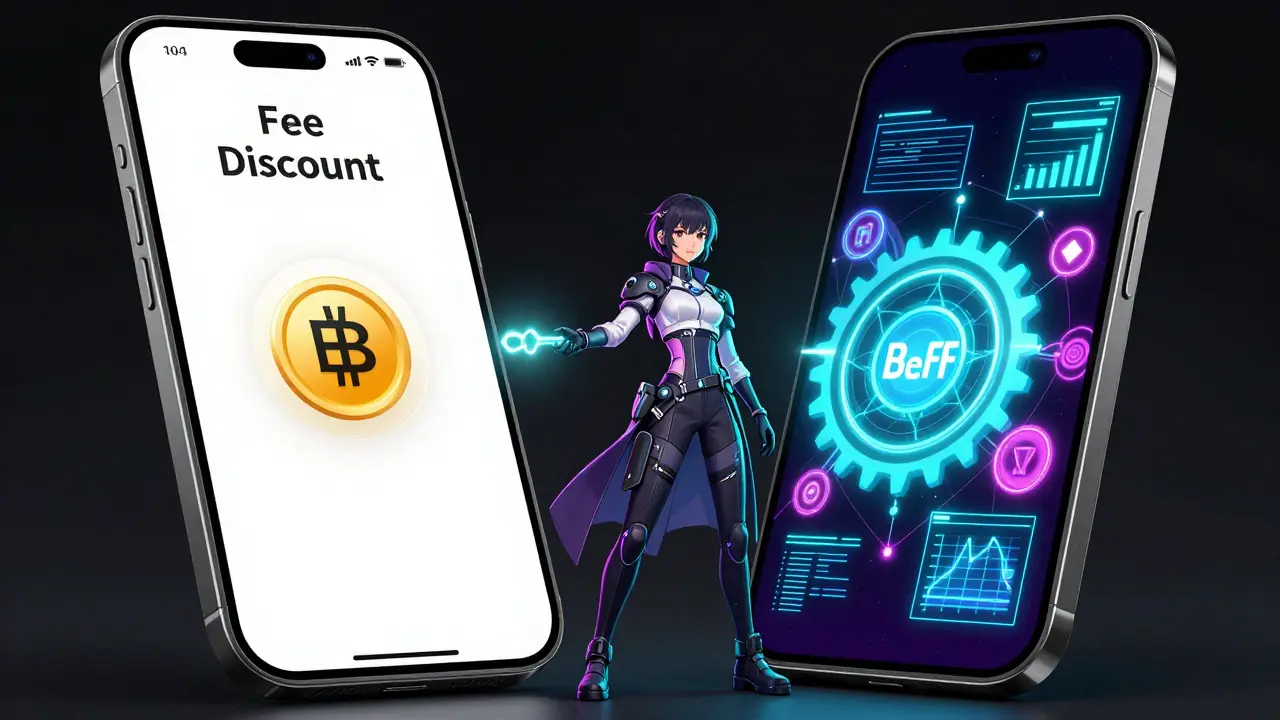
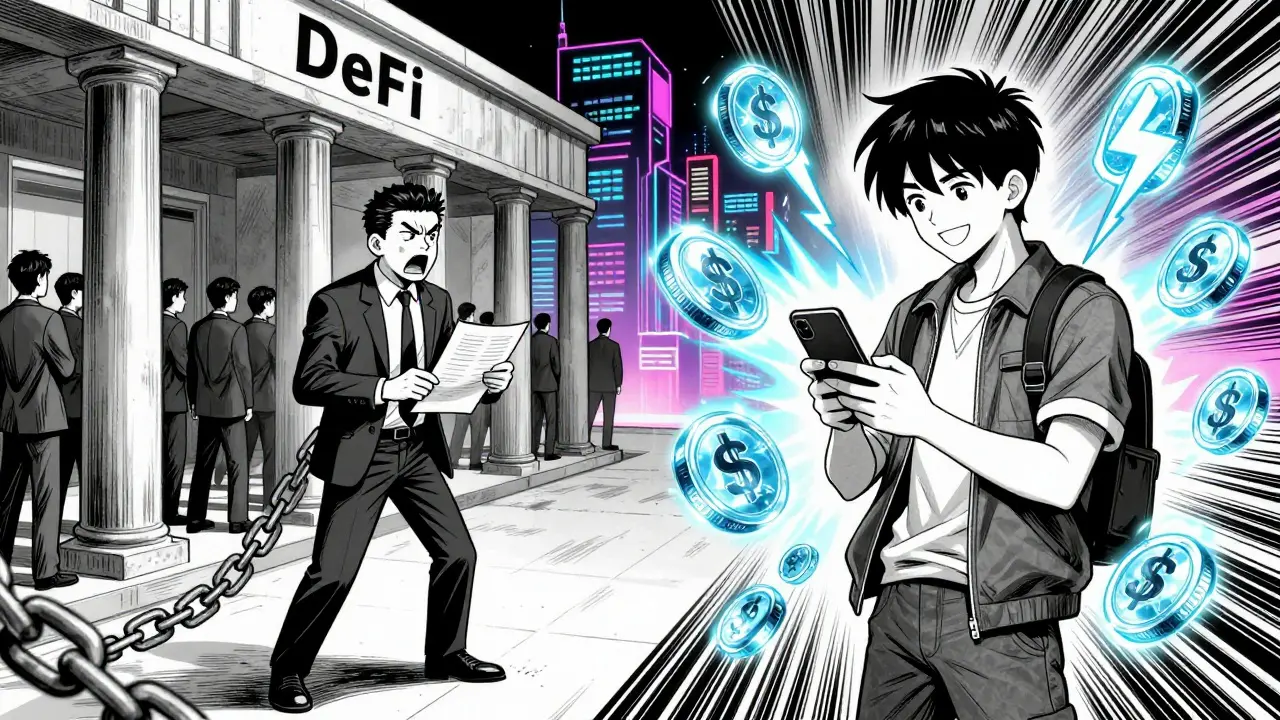
Imagine you have been trading on a centralized exchange like Binance or OKX for years. You hold their native token, maybe BNB, to get a discount on trading fees. For a long time, that was its only job-a coupon for lower costs. But something shifted in the blockchain landscape. Today, those same tokens are the keys to an entirely different world: Decentralized Finance (DeFi). They are no longer just discounts; they are fuel, collateral, and voting power in complex financial protocols.
This evolution from simple utility to ecosystem backbone is what we call using exchange tokens for DeFi participation. It bridges the gap between the familiar, user-friendly interface of a centralized app and the high-stakes, permissionless nature of smart contracts. If you are holding these tokens, you are sitting on a gateway to lending, yield farming, and automated market making without needing to buy a new asset. Let’s look at how this works, why it matters, and the risks involved.
From Fee Discounts to DeFi Fuel
To understand where we are, we need to look at the origin story. Exchange tokens were originally issued by trading platforms via Initial Coin Offerings (ICOs). The goal was straightforward: create a loyal user base and reduce friction for traders. BNB, launched by Binance in July 2017 with a capped supply of 200 million units, is the textbook example. Initially, it was purely for fee reductions.
However, as the demand for smart contract networks grew, exchanges realized they could build their own infrastructure. By 2020-2021, BNB evolved into the native gas token for BNB Chain (formerly Binance Smart Chain). This changed everything. Instead of just saving money on trades, users needed BNB to pay for transaction fees on the network itself. This transformed the token from a peripheral benefit into a core operational requirement for anyone interacting with dApps (decentralized applications) on that chain.
This shift created a powerful feedback loop. Millions of existing exchange customers already held BNB. When they wanted to try DeFi, they didn’t need to buy Ethereum (ETH) or Solana (SOL); they already had the "gas" required to operate. This lowered the barrier to entry significantly, driving massive adoption of DeFi protocols built on these exchange-linked chains.
The Multi-Role Nature of Exchange Tokens in DeFi
In the pure DeFi world, tokens usually have one primary function: governance (like UNI for Uniswap) or liquidity provision. Exchange tokens, however, wear many hats. This hybrid profile makes them unique but also complex.
| Role | Function | Example Application |
|---|---|---|
| Gas Token | Pays for transaction fees and smart contract execution on the associated blockchain. | Paying fees to swap tokens on PancakeSwap using BNB. |
| Liquidity Asset | Serves as a base pair in Automated Market Maker (AMM) pools to facilitate trading. | Providing BNB/USDT liquidity on a DEX. |
| Collateral | Locked up to borrow other assets or mint stablecoins. | Depositing BNB into Venus Protocol to borrow BUSD. |
| Reward/Yield | Distributed to users who stake tokens or provide liquidity. | Earning new tokens by staking BNB in Binance Launchpool. |
| Governance | Used to vote on protocol upgrades or parameter changes. | Voting on BNB Chain improvement proposals. |
This multi-functionality creates a sticky ecosystem. Because the token is used for gas, liquidity, and rewards, demand remains high across different sectors of the crypto market. Unlike a single-purpose governance token that might sit idle in a wallet, an exchange-linked token is constantly circulating through various DeFi mechanisms.

Technical Architecture: Why These Chains Work
The success of exchange tokens in DeFi is heavily tied to the technical design of their underlying blockchains. Most major exchanges opted for EVM-compatible (Ethereum Virtual Machine) networks. This means developers who already knew how to build on Ethereum could easily port their apps to BNB Chain or similar networks.
Performance is the key differentiator here. Ethereum, while secure, has historically suffered from slow block times (around 12 seconds) and high fees during peak congestion. In contrast, BNB Chain targets block times of approximately 3 seconds. Transaction fees are often measured in fractions of a US cent. For retail users engaging in small-scale DeFi activities-like swapping $50 worth of tokens or earning modest yields-low fees are not just a convenience; they are a necessity. High fees eat into profits, making DeFi inaccessible for smaller accounts.
These chains typically use a variant of Delegated Proof-of-Stake (DPoS). Validators are elected by token holders to secure the network. This allows for higher throughput and faster finality compared to pure Proof-of-Work or even standard Proof-of-Stake models. However, this efficiency comes with trade-offs regarding decentralization, which we will explore later.
How to Participate: A Practical Guide
If you want to move your exchange token from a fee-discount tool to a DeFi asset, the process involves stepping out of the custodial safety of the exchange and into self-custody. Here is the typical workflow:
- Set Up a Non-Custodial Wallet: You need a wallet that supports the specific chain. MetaMask and Trust Wallet are popular choices. Configure the wallet to connect to the correct network (e.g., BNB Smart Chain).
- Transfer Your Tokens: Withdraw your exchange tokens from the centralized platform to your wallet address. Ensure you select the right network during withdrawal to avoid losing funds.
- Fund Gas Fees: Make sure you have enough of the native token to pay for transactions. Even if you are swapping Token A for Token B, you need the native token (like BNB) to pay the gas fee for the swap.
- Connect to a dApp: Use a browser extension or mobile interface to connect your wallet to a DeFi application, such as a DEX (PancakeSwap), a lending protocol (Venus), or a yield aggregator.
- Approve and Transact: Before you can use a token in a smart contract, you must send an "approval" transaction. This tells the contract it can spend your tokens on your behalf. Then, execute your desired action (swap, stake, lend).
The learning curve is manageable. If you are comfortable with centralized trading, managing a non-custodial wallet takes a few hours of practice. The main difference is accountability: there is no customer support to reset your password or reverse a mistaken transaction.
Risks and Considerations
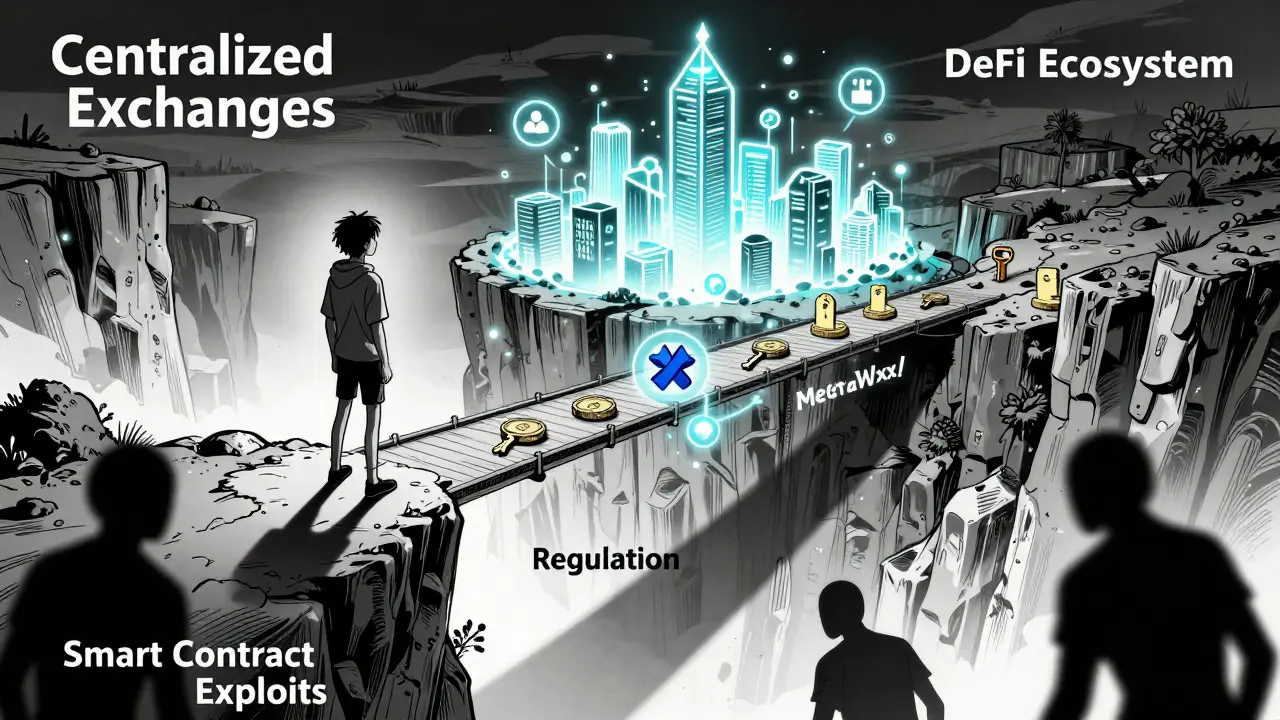
While the utility is clear, the risks are distinct from traditional DeFi tokens. The primary concern is centralization and regulatory exposure.
Because these tokens are tied to specific corporate entities, any regulatory action against the exchange can ripple through the entire DeFi ecosystem. If regulators classify the token as a security or restrict its issuance, the value and utility of the token could plummet. This would impact all protocols relying on it for gas or collateral.
Furthermore, the validator sets on these chains are often closely tied to the originating exchange. While this ensures stability and performance, it reduces the censorship resistance that defines true decentralization. Critics argue that if the exchange wants to, it could theoretically pause the network or censor addresses, although this has rarely happened in practice.
Smart contract risk remains universal. Whether you are using UNI on Ethereum or BNB on BNB Chain, you are trusting code. Audits help, but exploits do happen. Always verify the contract addresses and use reputable interfaces.
Future Outlook
As of mid-2026, exchange tokens remain central to their respective ecosystems. Development continues actively, with updates focusing on cross-chain bridging, improved privacy features, and integration with real-world asset (RWA) tokenization. The trend suggests that these tokens will continue to serve as the primary bridge for mainstream users entering DeFi, balancing ease of access with advanced financial functionality.
What is the difference between an exchange token and a pure DeFi token?
An exchange token (like BNB) originates from a centralized trading platform and serves multiple roles: fee discounts on the exchange, gas payment on an affiliated blockchain, and utility in DeFi protocols. A pure DeFi token (like UNI) is native to a decentralized protocol, primarily used for governance and sometimes liquidity incentives, without ties to a centralized exchange's fee structure.
Do I need to buy more tokens to participate in DeFi?
Not necessarily. If you already hold an exchange token like BNB, you can use it directly for gas fees, liquidity provision, and staking on its associated chain. You only need to buy more if you want to increase your position size or diversify into other assets.
Is it safe to keep my exchange tokens on the centralized exchange?
Keeping tokens on a centralized exchange is convenient but carries counterparty risk. To participate in true DeFi (lending, yield farming, direct swaps), you must withdraw your tokens to a non-custodial wallet. This gives you full control but requires you to manage your own security (private keys/seed phrases).
Why are gas fees lower on exchange-linked chains?
Chains like BNB Chain are optimized for high throughput and fast block times (around 3 seconds) using efficient consensus mechanisms like Delegated Proof-of-Stake. This reduces network congestion compared to older networks like Ethereum Mainnet, resulting in lower fees per transaction.
What happens if the centralized exchange shuts down?
If the exchange ceases operations, the token may lose its fee-discount utility and brand value. However, if the token has established itself as a native gas asset on a decentralized blockchain, it may retain some value within that ecosystem, though likely diminished due to loss of confidence and development support.