Fitmin Finance Airdrop: Is It Real or a Scam? (FTM Token Guide)
Have you seen the pop-ups promising free Fitmin Finance tokens?
If you are looking for details on how to claim an airdrop from this project, here is the hard truth: there is no legitimate, verified information about a "Fitmin Finance" airdrop in the current cryptocurrency landscape. In fact, major blockchain explorers and reputable crypto data aggregators do not list a project by this name.
This silence is not accidental. It is a massive red flag. In the world of decentralized finance, obscurity often equals danger. Before you connect your wallet or spend hours completing tasks for a token that may not exist, you need to understand why this specific search query leads to dead ends and what risks you face if you proceed blindly.
The Reality Check: Does Fitmin Finance Exist?
Let’s look at the facts. When we investigate a new crypto project, we check its footprint. We look for its contract address on Etherscan or BscScan. We look for its listing on CoinMarketCap or CoinGecko. We look for an active community on Twitter or Discord with real engagement, not just bots.
For Fitmin Finance, these checks fail immediately. There is no official website with a verifiable domain history. There is no whitepaper outlining the technology or tokenomics. There are no known developers behind the scenes. Without these basic pillars, a project cannot function as a legitimate financial platform.
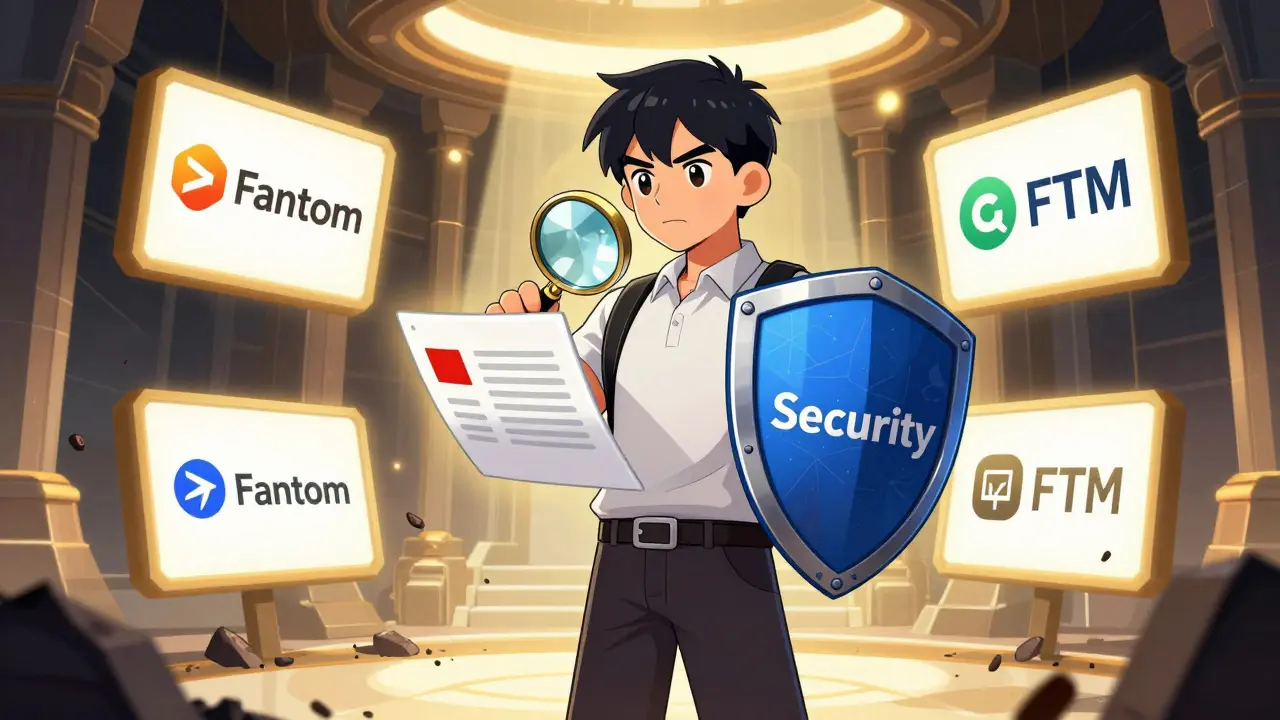
You might be confused because the ticker symbol "FTM" belongs to a very well-known and legitimate project called Fantom (a high-performance blockchain platform known for its speed and low transaction costs)>. Fantom has been around since 2018 and is one of the established Layer-1 blockchains. However, Fantom is not associated with any entity named "Fitmin Finance." Scammers frequently use similar names or ticker symbols to trick users into thinking they are interacting with a trusted brand.
If you are seeing ads for "Fitmin Finance," it is highly likely that someone is impersonating the Fantom brand or creating a completely fake project to harvest personal data or steal funds. Always verify the exact spelling and official links before engaging.
How Fake Airdrops Work: The Mechanics of the Trap
Understanding how these scams operate is your best defense. Fake airdrops rarely give away free money. Instead, they use the promise of free tokens as bait to lure you into a trap. Here are the most common methods used by fraudulent projects like the alleged Fitmin Finance:
- The Malicious Smart Contract: You are asked to connect your wallet to a website to "claim" your rewards. Once connected, the site prompts you to approve a transaction. This approval gives the scammers permission to drain all compatible tokens from your wallet. By the time you realize the token balance hasn't increased, your assets are gone.
- The Phishing Site: The website looks professional but is a clone of a popular exchange or DeFi protocol. It asks for your private key or seed phrase to "verify" your identity. Legitimate services will never ask for this. If you enter it, they have full control over your account forever.
- The Task Farm: You are told you must complete tasks-like following social media accounts, joining Telegram groups, or watching videos-to unlock your airdrop. This serves two purposes: it boosts the scammer's social media metrics to make them look legitimate, and it keeps you engaged while they prepare to execute the theft. Often, after hours of work, the final step requires a small "gas fee" payment that goes directly to the scammer.
- The Honeypot Token: Sometimes, you actually receive a token. But when you try to sell it, the transaction fails. The smart contract is coded to allow buying but prevent selling. You are left holding worthless digital paper that you can never offload.
In every scenario, the cost to you far outweighs any potential gain. The psychological hook is greed, but the outcome is loss.
Red Flags: How to Spot a Fake Project Instantly
You don't need to be a blockchain expert to spot a scam. Look for these warning signs. If a project exhibits even one of these, walk away immediately. If it shows multiple, run faster.
- No Verifiable Source Code: Legitimate DeFi protocols usually have open-source code hosted on GitHub. You should be able to see who wrote it and when. If the code is hidden or the repository was created last week, it’s suspicious.
- Anonymous Teams with No History: While privacy is valued in crypto, total anonymity combined with aggressive marketing is dangerous. Check the team members' LinkedIn profiles. Do they have a track record in tech or finance? Or are they stock photos and generic bios?
- Unrealistic Promises: Any project promising guaranteed returns, daily profits, or "free money" with zero risk is lying. Decentralized finance involves volatility and risk. If it sounds too good to be true, it is.
- Poor Website Quality: Spelling errors, broken links, and generic design templates are common in scam sites. They rush to launch before the community investigates. Compare the site to established platforms like Uniswap or Aave. The difference in professionalism is usually stark.
- Pressure Tactics: "Claim now before supply runs out!" "Only 100 spots left!" Scammers create artificial urgency to bypass your critical thinking. Legitimate airdrops have clear, public timelines and rules.
Apply this checklist to "Fitmin Finance." It lacks a source code, has an unknown team, promises free value, and has no presence on major tracking sites. It fails every test.
The Confusion with Fantom (FTM)
It is crucial to distinguish between the scam and the real thing. Fantom is a legitimate blockchain network. It uses a consensus mechanism called Lachesis, which allows for fast transactions and low fees. The native token, FTM, is widely traded on major exchanges like Binance and Coinbase.
Fantom does not run random airdrops under different names. Their governance and distribution models are transparent and documented in their official blog and forums. If you want exposure to the FTM ecosystem, you buy FTM tokens on a reputable exchange or provide liquidity to audited protocols built on the Fantom network, such as SpookySwap or Geode Finance.
Scammers know that people trust brands like Fantom. They hijack the name "FTM" to lend credibility to their fake "Fitmin Finance" scheme. This is a classic case of trademark infringement and fraud. Never assume that a similar name means a similar project.
Safety First: Protecting Your Crypto Assets
In an environment filled with potential traps, protecting your assets is your top priority. Here are practical steps to keep your funds safe:
- Use a Burner Wallet: Never connect your main wallet, where you store significant funds, to unverified websites. Use a separate wallet with only a small amount of gas money for testing new dApps. If it gets drained, the loss is minimal.
- Revoke Permissions Regularly: Use tools like Revoke.cash to check and remove approvals you’ve given to smart contracts. If you accidentally approved a malicious contract, revoking it stops future access.
- Verify URLs Manually: Don’t click links from emails, DMs, or ads. Type the URL manually into your browser or use a bookmarked link from a trusted source. Even a single misspelled letter can lead to a phishing site.
- Enable Two-Factor Authentication (2FA): Use an authenticator app like Google Authenticator or Authy for your exchange accounts. Avoid SMS-based 2FA, which can be intercepted via SIM swapping.
- Educate Yourself: Follow reputable crypto news sources and security researchers. Understanding common scam tactics makes you less susceptible to them. Knowledge is your strongest shield.
Security is not a one-time setup; it’s a continuous practice. Stay vigilant, especially when dealing with unfamiliar projects.
What to Do If You Already Interacted
If you have already connected your wallet to a site claiming to be Fitmin Finance, take immediate action:
- Disconnect the Wallet: Go to your wallet settings and disconnect the session with the suspicious site.
- Check Transaction History: Look for any outgoing transactions you didn’t initiate. If you see approvals for unknown tokens, revoke them immediately using a tool like Revoke.cash.
- Move Funds: Transfer any remaining assets from that wallet to a new, secure wallet. Consider the old wallet compromised.
- Change Passwords: If you entered any login credentials on the site, change passwords for any other accounts where you used the same password.
- Report the Scam: Report the incident to relevant authorities and share the details on social media to warn others. Include the website URL and any contract addresses involved.
Acting quickly can limit the damage. Do not ignore the situation hoping it will resolve itself.
Legitimate Ways to Earn Crypto Rewards
While fake airdrops are dangerous, there are legitimate ways to earn crypto through participation in the ecosystem. These methods require effort but offer real value:
- Testnets: Many new blockchains launch test networks where users can interact with the protocol using fake tokens. Early participants are often rewarded with real tokens later. Examples include Monad and Berachain testnets.
- Protocol Governance: Holding tokens in established DeFi protocols allows you to vote on proposals. Some protocols reward active voters with additional tokens.
- Liquidity Mining: Providing liquidity to audited pools on platforms like Uniswap or Curve earns you trading fees and sometimes incentive tokens. Be aware of impermanent loss risks.
- Bug Bounties: If you have technical skills, participating in bug bounty programs for smart contracts can yield significant rewards for finding vulnerabilities.
These activities are transparent, documented, and supported by strong communities. They contrast sharply with the opaque and predatory nature of scams like Fitmin Finance.
Conclusion: Trust But Verify
The internet is full of opportunities, but also pitfalls. The lack of information regarding "Fitmin Finance" is not a mystery to solve; it is a warning sign to heed. In the crypto world, visibility and transparency are essential for trust. Projects that hide in the shadows usually have something to hide.
Stick to well-established platforms and projects with proven track records. If a deal seems too good to be true, it almost certainly is. Protect your capital, educate yourself, and stay skeptical of unsolicited offers. Your financial security depends on it.
Is Fitmin Finance a legitimate project?
No, there is no verifiable evidence that Fitmin Finance is a legitimate project. It lacks official documentation, a verifiable team, and presence on major crypto data platforms. It is highly likely a scam designed to steal funds or personal information.
What is the connection between Fitmin Finance and Fantom (FTM)?
There is no official connection. Fitmin Finance appears to be using the similar name and ticker symbol to impersonate or confuse users with the legitimate Fantom blockchain project. Fantom does not endorse or run airdrops under the name Fitmin Finance.
How can I tell if a crypto airdrop is a scam?
Look for red flags such as anonymous teams, unrealistic promises of free money, poor website quality, pressure tactics, and lack of verifiable source code. Always verify the project on independent data aggregators like CoinMarketCap or CoinGecko before participating.
What should I do if I connected my wallet to a suspicious site?
Immediately disconnect your wallet, revoke any token approvals using a tool like Revoke.cash, and move your funds to a new, secure wallet. Change passwords for any accounts where you may have entered credentials on the suspicious site.
Are there any safe ways to earn crypto airdrops?
Yes, legitimate airdrops come from established projects with transparent processes. Participating in testnets, providing liquidity to audited protocols, and engaging in governance of known DeFi platforms are safer ways to potentially earn rewards. Always research the project thoroughly first.
Ruth Williams
July 9, 2026 AT 19:18It is truly disheartening to witness the sheer lack of due diligence displayed by so many in this community. One would assume that basic verification protocols are common sense, yet here we are discussing a non-existent entity as if it holds any merit. The absence of a whitepaper or verifiable team is not merely an oversight; it is a glaring indictment of the project's legitimacy. To engage with such opaque entities is to invite financial ruin upon oneself. I suppose some individuals prefer the thrill of gambling over the security of informed investment.
Sophie Nakasako
July 11, 2026 AT 00:31This is such a crucial discussion because understanding the mechanics of these traps empowers us all to stay safe!
I often wonder how these scammers manage to create such convincing narratives when there is absolutely no substance behind them. It really makes me think about the psychology of trust and why we sometimes overlook obvious red flags in our eagerness for opportunity.
The point about Fantom being impersonated is particularly insightful since brand confusion is a classic tactic. By sharing these warning signs, we help build a more resilient community that values transparency over quick gains. Let’s keep supporting each other in verifying sources before engaging!
Kristy Morrow
July 11, 2026 AT 13:54you people worry too much about rules
maybe the silence is just privacy
who cares if its real or fake
if you lose money you learn
John Harman
July 12, 2026 AT 04:29Look, let's cut the fluff. If it's not on CoinGecko, it doesn't exist. That's the golden rule. These guys copy-paste code from GitHub repos they don't even understand and slap a new name on it. It's amateur hour. You connect your wallet, they drain it, game over. Don't be stupid.
Antony Lopez
July 13, 2026 AT 09:47It's pathetic how easily Americans fall for these foreign scams. We need stricter regulations here to protect our citizens from these digital vultures. The fact that this 'Fitmin' nonsense can operate without consequence shows a failure in our domestic oversight. We should be blocking these domains at the ISP level. Stop importing bad ideas and start protecting American wallets.
Kat Barr
July 14, 2026 AT 07:33Oh my gosh, thank you for this detailed breakdown!! 🙏 It is SO important to stay safe out there!!! 😅
I was actually seeing those pop-ups yesterday and got kinda nervous lol. Seeing the list of red flags really helped calm my nerves because now i know exactly what to look for!! 👀✨
Using a burner wallet is such a smart tip, im gonna do that right away!! 💖 Lets keep each other safe and sound!!! 🚀🔒
Logan Edmison
July 15, 2026 AT 03:37i mean its prob just a testnet thing gone wrong
why are yall so mad
the tech is the tech
just revoke perms if u mess up
Michelle Walker
July 16, 2026 AT 02:47Stop making excuses. It's fraud. Full stop. The contract is malicious. The team is ghosted. The token is worthless. Connect your main wallet and you're an idiot. Use Revoke.cash immediately if you clicked anything. No nuance needed here.