Privacy in NFT-Based Digital Identity: Balancing Transparency and Secrecy
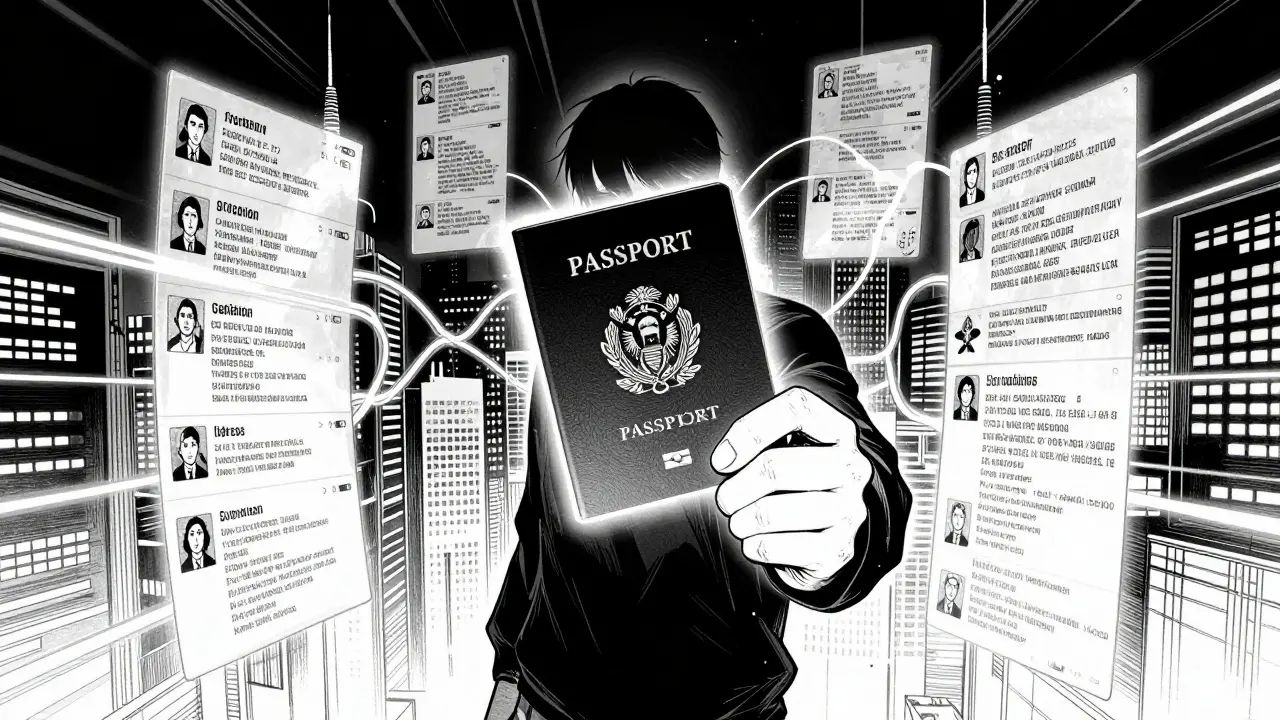
Imagine having a digital passport that proves exactly who you are, your qualifications, and your medical history, but you never have to show your actual ID card to a stranger. That is the promise of NFT digital identity. However, there is a glaring problem: blockchains are designed to be public ledgers. If your identity is an NFT on a public chain, anyone with an internet connection can potentially track your movements, your associations, and your history. How do we build a secure identity system on a technology that hates secrets?
The Conflict Between Blockchains and Privacy
At its core, a blockchain is a transparent record. This is great for auditing a financial transaction, but it is a nightmare for personal privacy. When we use Non-Fungible Tokens (NFTs) as identity markers, we run into a wall of transparency. If your professional certifications or government ID are tied to a public wallet address, your entire life becomes a traceable map.
This creates a massive clash with laws like the GDPR (General Data Protection Regulation). One of the biggest pillars of the GDPR is the "right to be forgotten." But blockchains are immutable-meaning once data is written, it is there forever. You cannot "delete" an NFT from a public ledger. This fundamental tension makes standard NFTs a risky choice for modeling who a person is, even if they are perfect for modeling what a person owns.
Moving Beyond Public Tokens: Secret NFTs
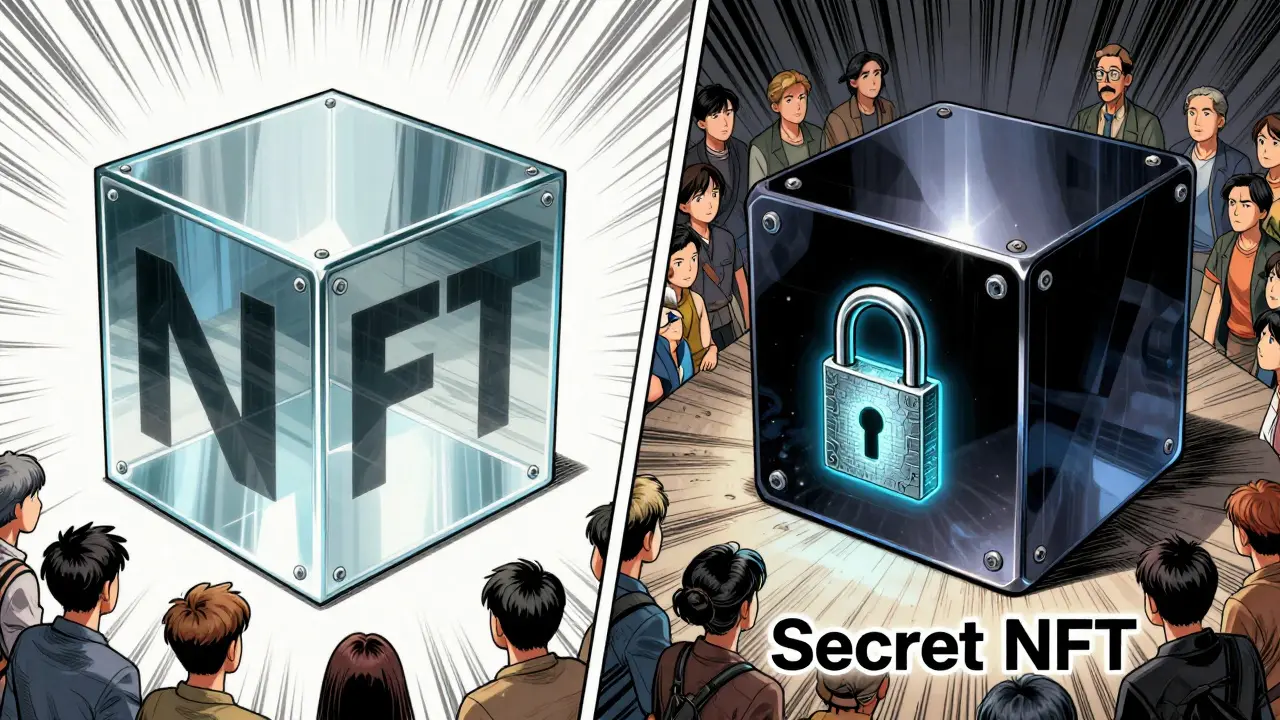
To fix these leaks, the industry is moving toward privacy-enhanced tokens. A prime example is Secret NFTs, which differ from the standard ERC-721 tokens we see in art collections. While a normal NFT shows its metadata and owner to the whole world, Secret NFTs encrypt this information.
This means you can hold a token that proves you have a specific identity attribute-like being over 21 or having a medical degree-without revealing your wallet address or the specific details of the document to everyone on the network. For high-value collectors or professionals, this is a lifesaver. It prevents hackers from targeting wallets that are known to hold sensitive identity data and allows creators to provide high-fidelity access only to those who actually hold the private key.
| Feature | Standard NFT (ERC-721) | Secret NFT |
|---|---|---|
| Metadata Visibility | Publicly readable | Encrypted / Private |
| Ownership Privacy | Wallet address is public | Can be kept secret |
| Compliance (GDPR) | Very difficult (Immutable) | Easier via private metadata |
| Primary Use Case | Digital Art, Gaming | Identity, Sensitive Records |
Soulbound Tokens: The Permanent Digital Resume
Another evolution in this space is the Soulbound Token (SBT). Unlike a regular NFT, which you can sell on a marketplace like OpenSea, an SBT is non-transferable. It is "bound" to your soul (or your wallet) forever. This makes them ideal for diplomas, military records, or membership badges.
However, SBTs introduce a unique privacy risk: "wallet spam." Because anyone can technically issue a token to another person's wallet, someone could send you a "shame token" or a malicious badge that publicly links your wallet to an embarrassing or fraudulent claim. To combat this, modern identity systems are implementing consent mechanisms, ensuring you only "accept" the tokens that actually represent your identity.
The Role of Zero-Knowledge Proofs
The holy grail of privacy in digital identity is Zero-Knowledge Proofs (ZKPs). A ZKP allows one party to prove to another that a statement is true without revealing any information beyond the validity of the statement itself.
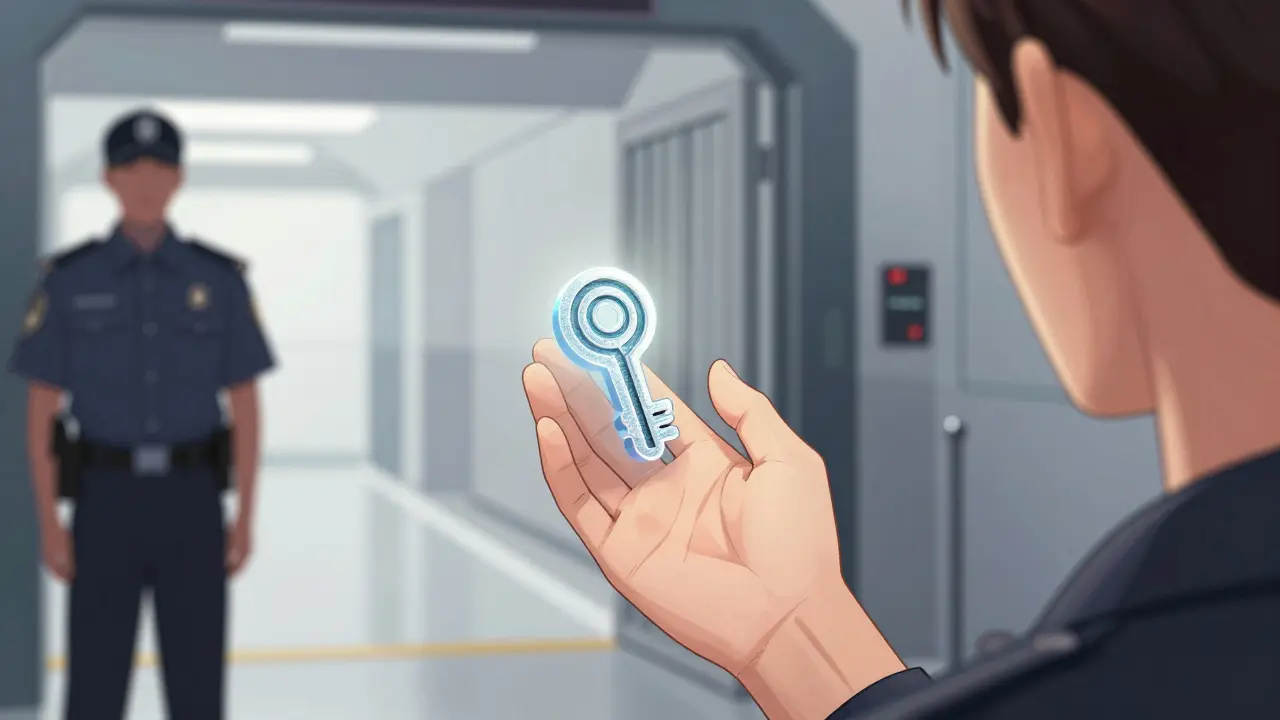
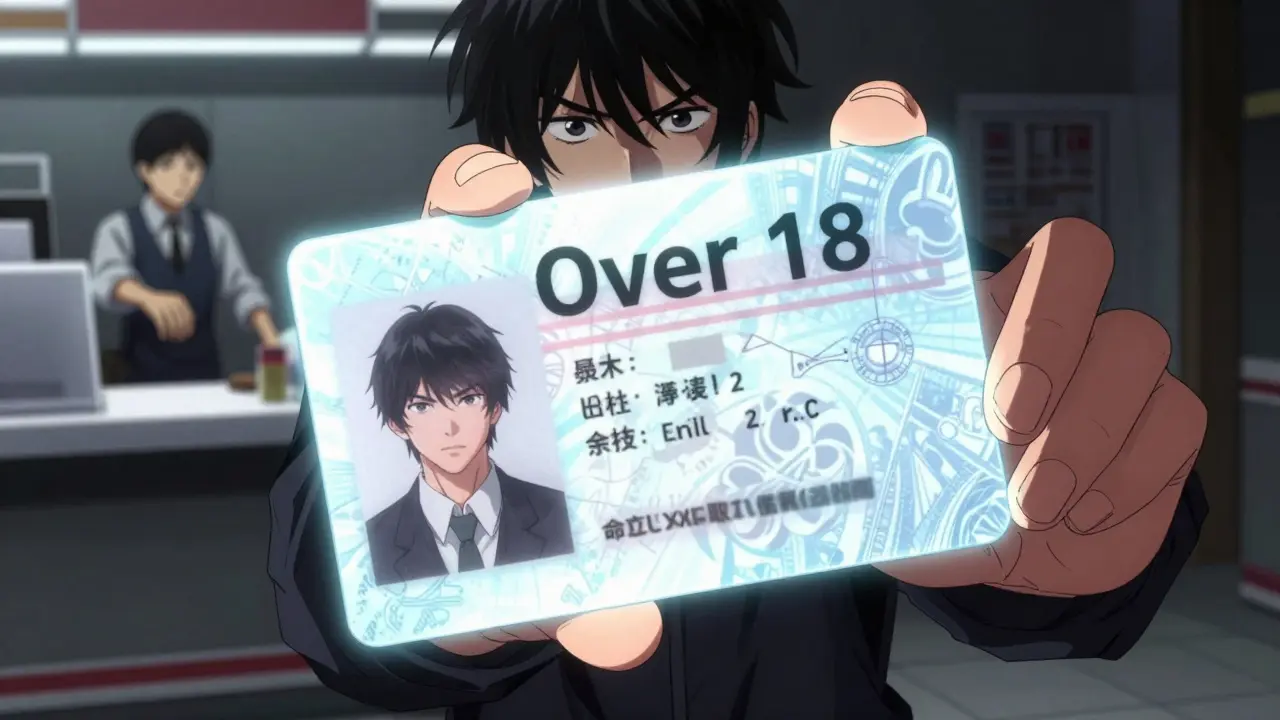
Think of it this way: instead of showing a bouncer your driver's license to prove you are 21 (which also reveals your home address, full name, and exact birth date), you provide a cryptographic proof that simply says "Yes, this person is over 21." The bouncer knows the fact is true, but they learn nothing else about you. When integrated with NFT identities, ZKPs allow users to selectively disclose only the data points necessary for a specific transaction, keeping the rest of their profile invisible.
Practical Challenges in Implementation
Despite the tech, rolling this out in the real world is messy. We are currently facing three major hurdles:
- Interoperability: Different blockchains use different standards. An identity NFT on Ethereum might not be recognized by a system running on Solana or Polkadot. Without a universal language, we just end up with more fragmented digital silos.
- User Experience: Managing private keys and understanding "selective disclosure" is too complex for the average person. If a user loses their key to a non-transferable identity NFT, how do they recover their legal identity? We need better recovery mechanisms that don't rely on a central authority.
- Scalability: Performing complex cryptographic checks like ZKPs in real-time can be slow. For a digital ID to work at an airport or a store, the verification must happen in milliseconds, not seconds.
Identity Verification and Compliance
Businesses still need to follow KYC (Know Your Customer) and AML (Anti-Money Laundering) laws. This creates a paradox: the user wants total privacy, but the bank needs to know exactly who they are.
The solution is a hybrid architecture. Sensitive personal data stays off-chain in a secure, encrypted vault. Only a "hash" (a digital fingerprint) of that data is stored as an NFT on the blockchain. When a bank needs to verify your identity, you grant them temporary access to the off-chain data. This gives you the benefit of blockchain's security and immutability without the danger of leaking your social security number to the entire world.
Can an NFT actually be a legal ID?
Technically, yes, but it requires government backing. An NFT can represent a legal ID if the issuing authority (like a DMV) mints it to your wallet. The NFT acts as a verifiable credential, but its legal validity depends on whether the local laws recognize digital signatures and blockchain records as evidence.
What happens if my identity NFT is stolen?
If you use standard NFTs, the thief owns your identity. This is why Soulbound Tokens (SBTs) are preferred, as they cannot be transferred. In the event of a compromised wallet, a "revocation list" or a smart contract update is needed to void the old identity token and issue a new one to a fresh wallet.
Does a Secret NFT hide everything?
It hides the metadata and the ownership details from the general public. However, the network validators (in the case of Secret Network) can still process the data to ensure the token is valid, though they do so within a "Trusted Execution Environment" (TEE) that keeps the data encrypted even during processing.
How do Zero-Knowledge Proofs improve privacy?
ZKPs allow you to prove a fact (e.g., "I am a citizen of New Zealand") without revealing the underlying data (your passport number). This removes the need to share excess personal information, drastically reducing the risk of identity theft during verification.
Are NFT identities better than Google or Facebook logins?
Yes, in terms of ownership. Web2 logins are centralized; Google owns your data and can delete your account. An NFT identity is self-sovereign, meaning you hold the keys. The tradeoff is responsibility: if you lose your keys in a decentralized system, there is no "Forgot Password" button unless a recovery proxy was set up.
Next Steps for Users and Developers
If you are a user looking to protect your digital footprint, start by using a dedicated "identity wallet" separate from your main trading wallet. This prevents your financial history from being linked to your personal credentials. Look for platforms that support selective disclosure and avoid putting raw personal data directly into NFT metadata.
For developers, the focus should be on "Privacy by Design." Stop treating NFTs as simple images and start treating them as containers for encrypted credentials. Implementing ZKP-based verification and exploring hybrid on-chain/off-chain storage will be the difference between a system that is a privacy liability and one that is a professional identity standard.
Matthew Wright
April 9, 2026 AT 08:02ZKPs are definitely the way to go here!!! It's wild how much info we leak just by showing a physical ID card... like, why does the liquor store need my zip code???
Trish Swanson
April 9, 2026 AT 15:27Selective disclosure is a game changer... but scalability is a real worry!!!
Deepak Prusty
April 10, 2026 AT 08:02Actually, most people misunderstand ZKPs. The scalability issue isn't just about speed, it's about the computational overhead on the client side for generating the proof, which is often overlooked in these surface-level discussions.
Arwyn Keast
April 10, 2026 AT 11:13Absolute rubbish. This is just another layer of digital bureaucracy that will likely be managed by some foreign entity. We need a sovereign system that doesn't rely on these pseudo-innovations or globalist standards that undermine national security.
Earnest Mudzengi
April 12, 2026 AT 05:57Exactly!! They want us on a public ledger so the alphabet agencies can run heuristics on our social graphs. It's all about the surveillance state man. Once you're tagged with an SBT, you're basically just a barcode in a digital gulag. They'll use these "secret" NFTs as a honey pot to get you to trust the system before they flip the switch on the backdoor. Wake up, the immutability is just a feature for the controllers to keep a permanent record of your "dissent" while they can "forget" their own crimes. Pure madness.
Suzanne Robitaille
April 14, 2026 AT 03:21There is something profoundly poetic about the idea of a "Soulbound" token, yet I fear we are merely tethering our human essence to a cold, binary chain. We must ensure that in our quest for verification, we do not lose the mystery and the fluidity of the human spirit. It's a delicate dance between the need to be known and the right to remain hidden in the shadows of our own existence.
Diana Martín Prieto
April 15, 2026 AT 17:56I totally agree with the need for hybrid architectures. Keeping the PII off-chain while storing the hash on the blockchain is basically the industry standard for a reason. It bridges the gap between the transparency of Web3 and the legal requirements of GDPR. If anyone is trying to build this now, I'd highly suggest looking into decentralized identifiers (DIDs) alongside the NFT structure to make the recovery process a bit more human-centric. It's all about creating a safety net so users don't lose their entire legal identity just because they misplaced a seed phrase!
sekhar reddy
April 17, 2026 AT 01:47Omg the thought of a "shame token" is actually terrifying lol!! imagine waking up and finding out some random person sent u a badge that says "bad at gaming" and it's stuck to ur wallet forever!! that is literally a nightmare scenario aaaaah!
Krystal Moore
April 17, 2026 AT 07:00Honestly, this is such a moral disaster waiting to happen. Who gets to decide who issues these tokens? We're basically handing the keys to our identity to a bunch of tech bros who can't even keep a stablecoin stable. It's just wrong to treat a person's identity as a "token" in the first place. It's dehumanizing and frankly offensive to the idea of privacy.
Sharhonda Walker
April 17, 2026 AT 18:12The interop problem is the realy big one here. I've tried a few of these wallets and the lack of standrds is just frustratin. We need a cross-chain protocl that actually works or this is just gonna be a bunch of fragmented gardens.
Siddharth Bhandari
April 18, 2026 AT 14:33For those struggling with the recovery part, social recovery wallets are a decent workaround for the "lost key" problem mentioned here.
Manisha Sharma
April 19, 2026 AT 17:47Typical western obsession with privacy when they are the ones who built the surveillance tools. In India, we are already leapfrogging these clunky NFT ideas with much more efficient systems. This whole "Soulbound" concept is just a pretentious way of describing a digital database, wrapped in buzzwords for the gullible elite who think they've discovered something new.
Taylor Meadows
April 19, 2026 AT 18:27You're all missing the point. The real issue is that most of you aren't evolved enough to handle a self-sovereign identity. You want the freedom of a blockchain but the hand-holding of a centralized server. You're just terrified of actual responsibility.
akash temgire
April 19, 2026 AT 23:09The legal validity mentioned remains questionable. One must consider if these digital signatures hold weight in a traditional court of law without a centralized notary.