Category: Blockchain & Cryptocurrency - Page 3
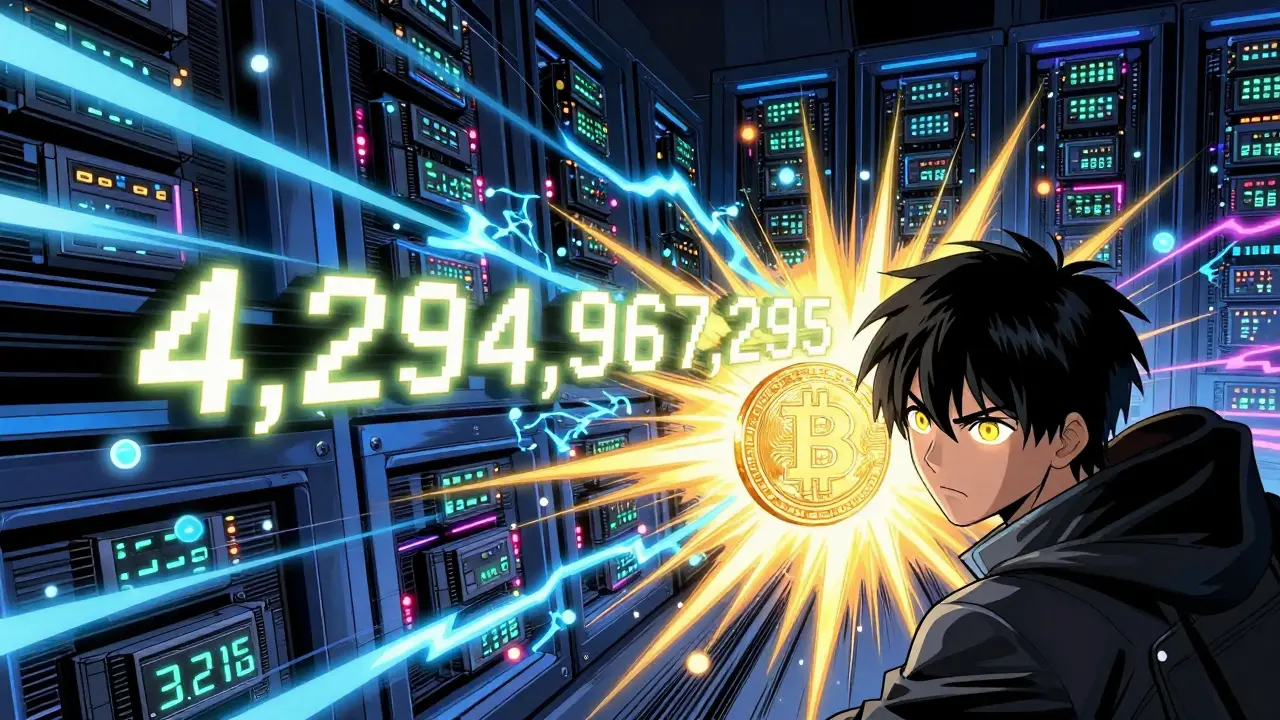
Nonce Overflow in Bitcoin Mining: How Miners Keep Going When the Numbers Run Out
Nonce overflow in Bitcoin mining is a normal, frequent event where miners run out of 32-bit nonce values. The network handles it automatically using the extraNonce system, ensuring continuous block production without interruptions.

Benefits of Social Tokens for Communities
Social tokens let communities own their value, not just use it. They turn members into stakeholders, enable token-gated access, and create self-sustaining economies - all without relying on platforms that profit from your effort.

DEX Access for Iranian Citizens: How to Use Decentralized Exchanges Amid Restrictions
Iranian citizens face heavy restrictions on crypto, but decentralized exchanges like those on Polygon offer a way to trade DAI and other assets without government oversight. Learn how they're adapting after Nobitex's collapse and Tether freezes.

Corgidoge (CORGI) Airdrop Details: How to Claim Tokens and What You Need to Know in 2026
Corgidoge (CORGI) airdrop still gives away tokens for free in 2026, but the project is dead. No trading, no utility, no future. Here's what you really get-and why you shouldn't bother.

BAKECOIN Airdrop: What You Need to Know About Bake Coin’s Token Distribution
There is no official BAKECOIN airdrop. Scammers use the name to trick users into sending crypto. Learn how to spot fake airdrops and find real opportunities with BakerySwap's BAKE token in 2026.
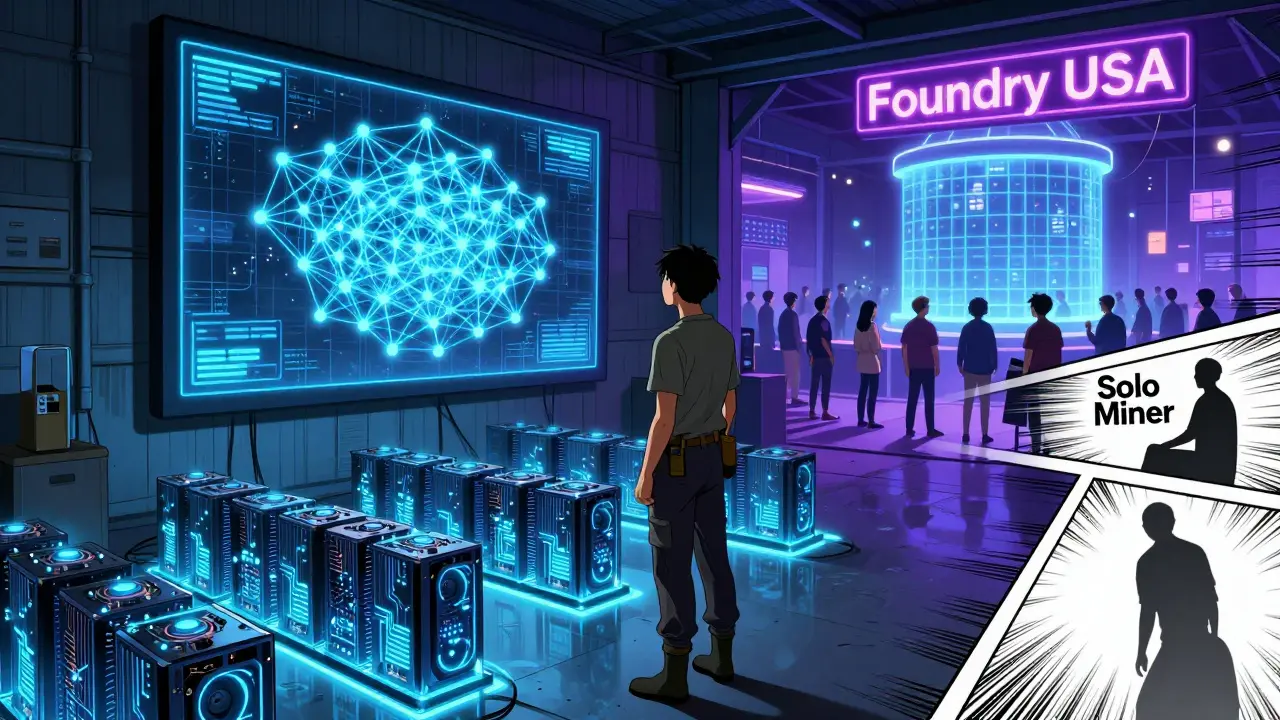
How to Choose the Best Mining Pool for Bitcoin and Altcoins in 2026
Learn how to pick the best mining pool for Bitcoin and altcoins in 2026. Compare fees, reward systems, and top pools like Foundry USA, F2Pool, and BTC.com to maximize your mining profits.
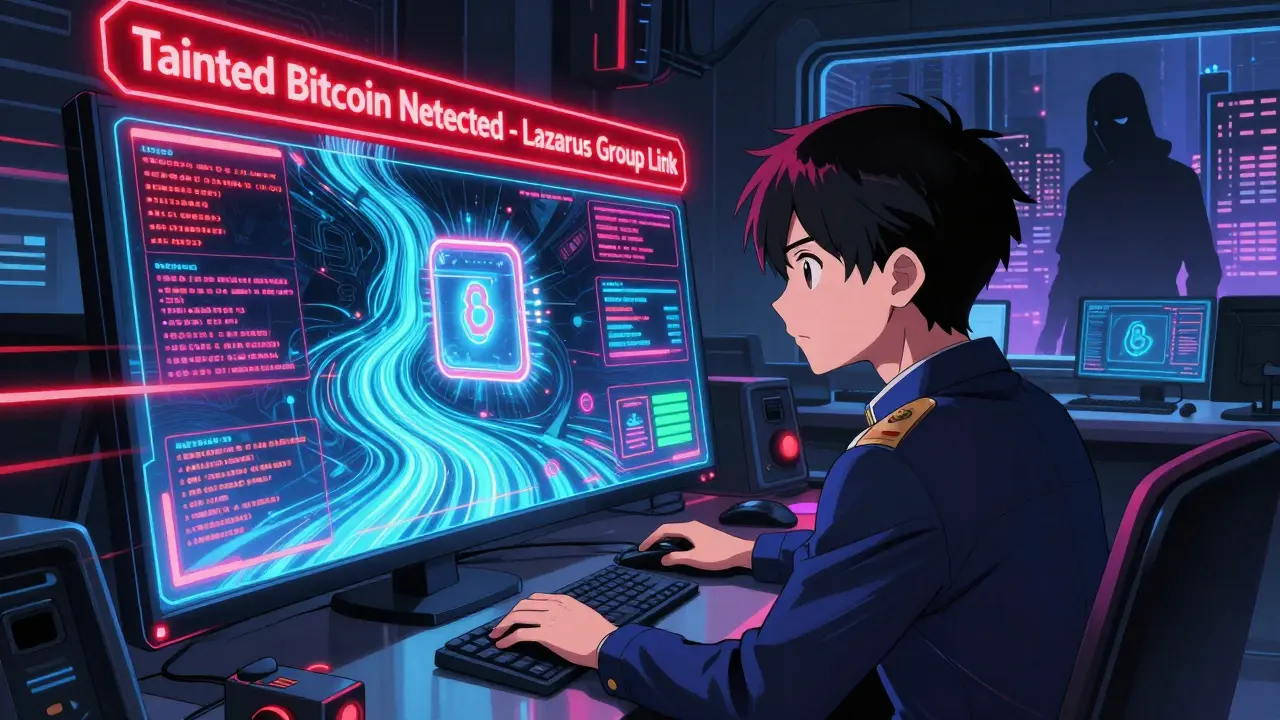
How Crypto Exchanges Implement AML to Stop Money Laundering
Crypto exchanges now legally must fight money laundering using KYC, AI monitoring, and global compliance systems. Learn how they track suspicious activity, why fines hit six figures, and what’s coming next.
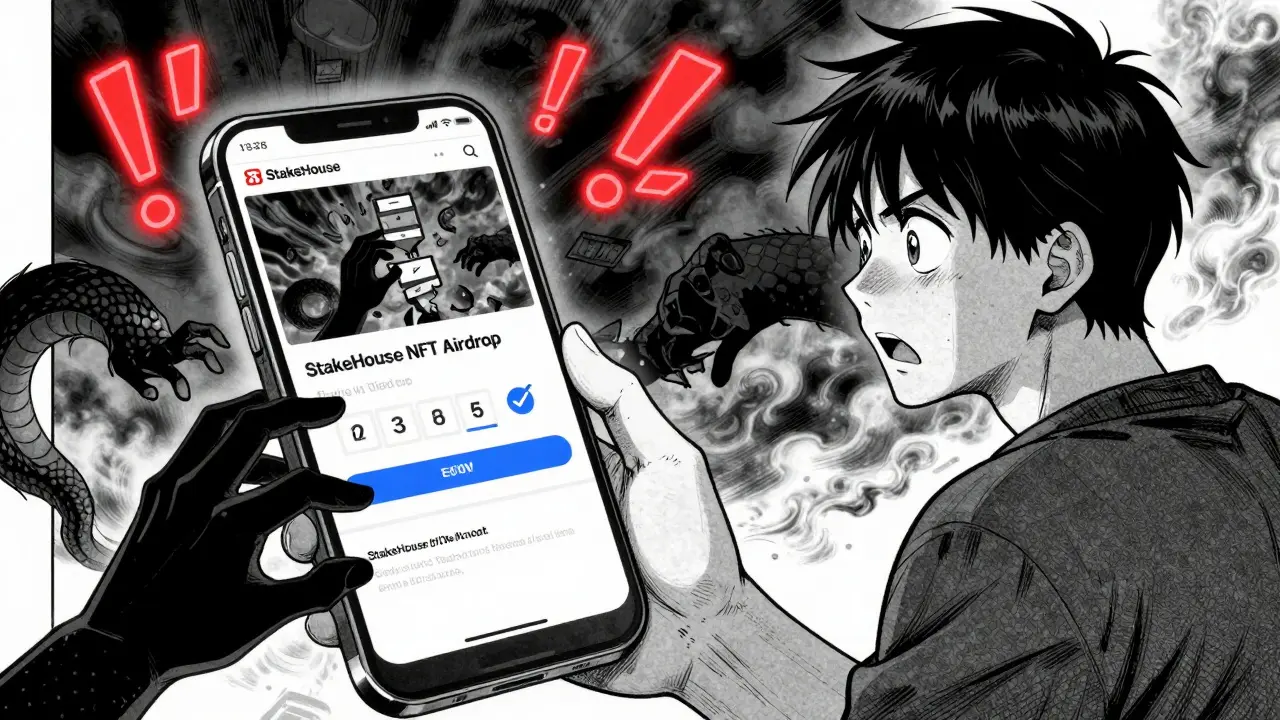
BlockSwap Network StakeHouse NFT Airdrop: What You Need to Know in 2026
As of 2026, there is no official StakeHouse NFT airdrop from BlockSwap Network. Rumors are scams. Learn what BlockSwap actually offers - liquid staking, OpenSaver yield, and CBSN token plans - and how to safely participate.

Understanding BIP39 Seed Phrase Standard for Crypto Wallet Recovery
Learn how BIP39 seed phrases work, why they're the universal backup for crypto wallets, and how to store them safely to avoid losing your funds forever.

PFP NFTs: Profile Picture Collections Explained
PFP NFTs are profile picture collections built on blockchain, turning digital avatars into status symbols and community keys. Learn how CryptoPunks and Bored Apes created a new form of online identity - and what it really takes to join.

GMPD Airdrop by GamesPad: How to Participate and What’s Really Happening in 2025
The GMPD airdrop by GamesPad isn't a token giveaway - it's an NFT-based rewards system. Learn how to earn real value through staking, farming, and participating in verified gaming projects on the GamesPad ecosystem in 2025.

AUSTRAC Registration Requirements for Crypto Exchanges in Australia 2025
All crypto exchanges in Australia must register with AUSTRAC to legally trade fiat for crypto. Learn the 2025 requirements, compliance obligations, and what's changing in March 2026 to avoid fines or criminal charges.